Wine Display Cabinet Supplier
Wine Display Cabinet Supplier
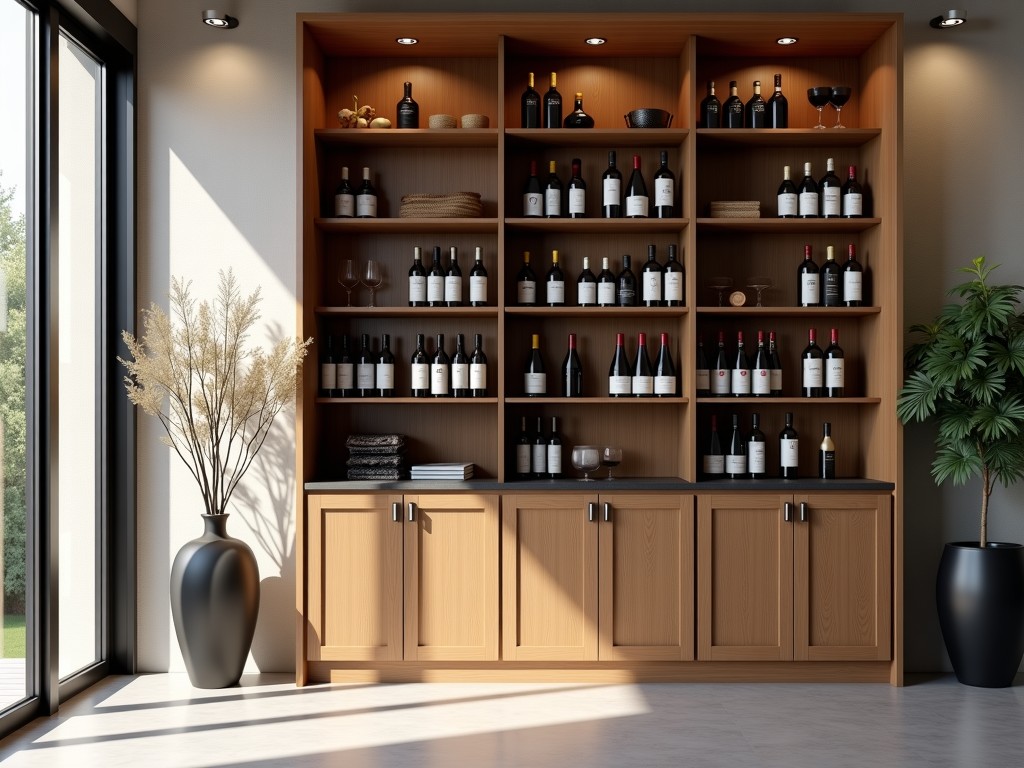
Wine Display Cabinets for Commercial and Hospitality Applications
Selecting the right wine display cabinet requires balancing visual presentation with precise environmental control to protect wine quality. These units are engineered for consistent temperature stability, humidity regulation, and vibration minimization — critical factors in preserving flavor profiles and preventing premature aging in commercial settings such as restaurants, hotels, retail wine shops, and tasting rooms.
Engineering Considerations for Wine Preservation
Wine is sensitive to fluctuations in temperature, humidity, light exposure, and mechanical vibration. Even minor deviations can accelerate chemical reactions that degrade aroma and taste. Effective display cabinets maintain a stable internal environment typically between 10–18°C (50–64°F) with relative humidity controlled to 50–70% to prevent cork drying or mold growth. UV-filtered glazing minimizes light-induced degradation, while compressor or thermoelectric cooling systems are selected based on noise sensitivity and vibration output requirements.
Material Selection and Construction
Cabinet exteriors commonly use powder-coated steel, stainless steel (grade 304), or laminated wood composites for durability and aesthetic integration into hospitality interiors. Interior shelving is often crafted from natural wood (such as beech or mahogany) or metal with rubberized coatings to prevent bottle slippage and reduce vibration transfer. Door assemblies feature double or triple glazing with low-emissivity coatings and argon gas fills to improve thermal efficiency and reduce condensation. Sealing gaskets made from food-grade silicone ensure airtight closure without off-gassing risks.
Cooling System Types and Performance Trade-offs
Two primary cooling technologies are used: vapor-compression and thermoelectric (Peltier) systems. Compressor-based units offer faster temperature recovery and higher cooling capacity, making them suitable for high-ambient environments or larger capacities, but generate more vibration and noise. Thermoelectric systems operate silently with minimal vibration, ideal for quiet tasting rooms or display-focused installations, though they are less effective in extreme ambient temperatures and have lower cooling density. The choice depends on installation location, noise constraints, and required temperature stability.
Typical Specifications
| Parameter | Typical Range | Notes |
|---|---|---|
| Temperature Range | 5–22°C (41–72°F) | Adjustable via digital controller; dual-zone models available |
| Humidity Control | 50–70% RH | Passive or active humidification depending on model |
| UV Protection | >99% UV-A/B blockage | Achieved through coated glazing or film |
| Vibration Level | < 0.5 µm/s (RMS) | Measured at shelf level; lower in thermoelectric units |
| Noise Emission | 25–40 dB(A) | Thermoelectric: 25–30 dB; compressor: 35–40 dB |
| Capacity (Bottle Count) | 12–200+ bottles | Depends on shelving configuration and bottle size (Bordeaux standard) |
Customization Options for OEM and Project Buyers
Suppliers commonly offer modifications to dimensions, shelving layout, door hinge orientation, lighting color temperature (e.g., 3000K warm white vs. 4000K neutral), and control interface placement. Custom branding options include laser-etched logos, colored finishes, or tailored glass etching. For integrated installations, cabinets can be designed to align with millwork specifications, including flush mounting, ventilation requirements, and electrical access points. Minimum order quantities and lead times vary based on complexity and material availability.
Quality Control and Testing Protocols
Reliability validation includes temperature mapping across multiple points over 72-hour cycles, humidity recovery tests after door opening, vibration analysis during compressor cycling, and electrical safety compliance checks. Door seal effectiveness is verified via pressure decay testing. Finished units undergo functional verification of control systems, alarm triggers (for temp/humidity deviation), and lighting operation. Inspection criteria follow internal standards aligned with commercial refrigeration performance expectations, with documentation available upon request.
Packaging and Logistics for Safe Transport
Units are packaged using double-wall corrugated corners, expanded polystyrene (EPS) edge protectors, and stretch-wrapped to prevent surface abrasion. Internal components such as shelves and lighting assemblies are secured to prevent shifting. For LCL or FCL shipments, packaging meets ISTA 3A standards for general freight. Shock indicators and tilt sensors may be included for high-value consignments. Installation teams should verify level placement and allow 24 hours of stabilization before loading bottles after transport.
Installation and Maintenance Guidelines
Proper installation requires a level surface, adequate clearance (typically 50 mm at rear and sides) for ventilation, and access to a dedicated electrical circuit. Avoid placing units near heat sources, direct sunlight, or high-vibration equipment. Routine maintenance includes cleaning condenser coils (for compressor models), checking door gaskets for wear, and verifying sensor calibration annually. Interior shelves should be cleaned with non-abrasive, food-safe solutions. No user-serviceable refrigerant handling is recommended; certified technicians must perform system servicing.
Engineering teams evaluate wine display cabinets based on environmental control precision, build durability, and integration compatibility — not appearance alone. Sharing your project’s dimensional constraints, ambient conditions, and operational priorities enables a supplier to recommend a configuration that balances performance, longevity, and total cost of ownership.
Discuss your project requirements with our engineering team to review technical specifications, customization options, and lead time estimates.