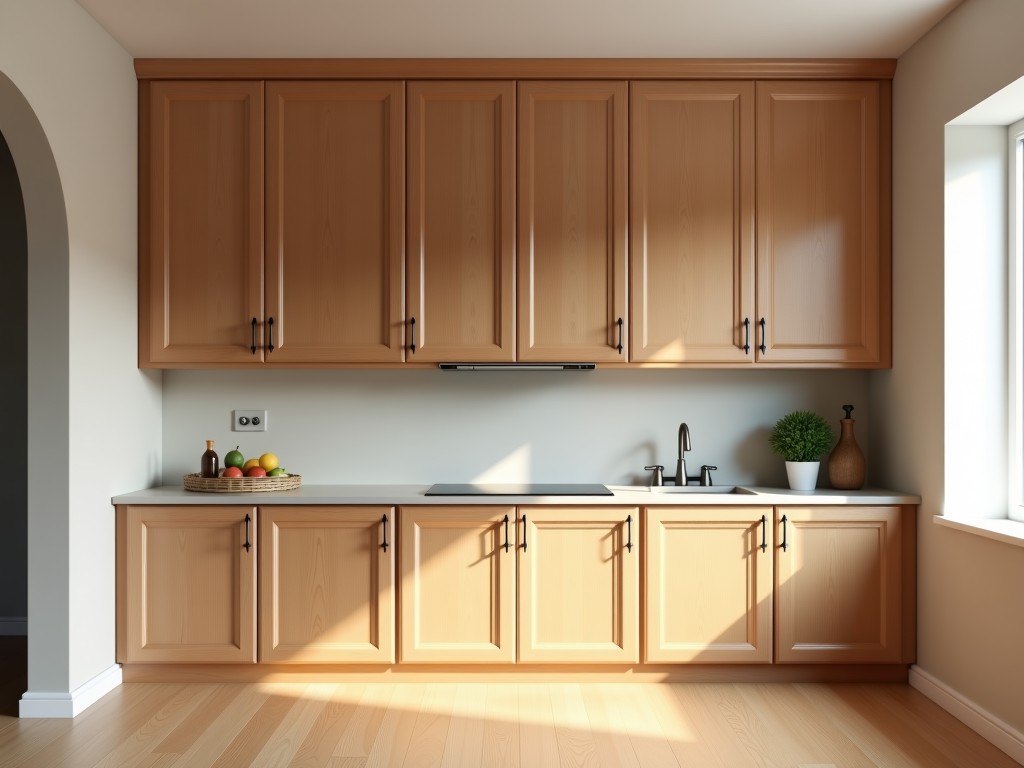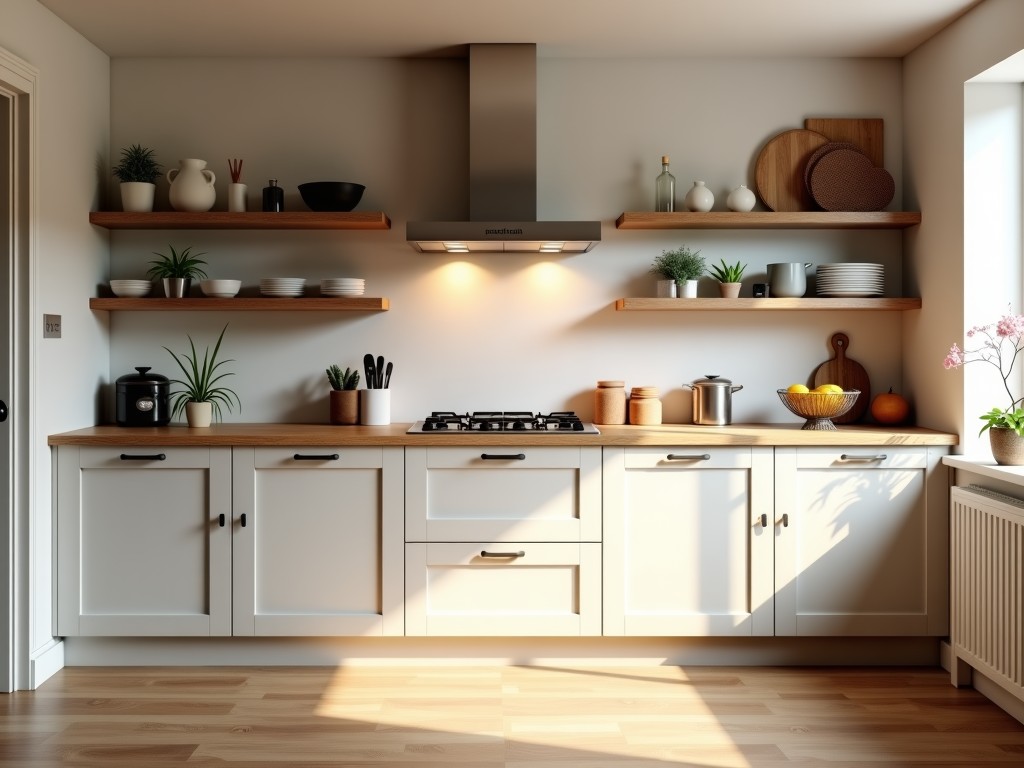
Wholesale Fully Assembled Pantry Cabinet
Wholesale Fully Assembled Pantry Cabinet
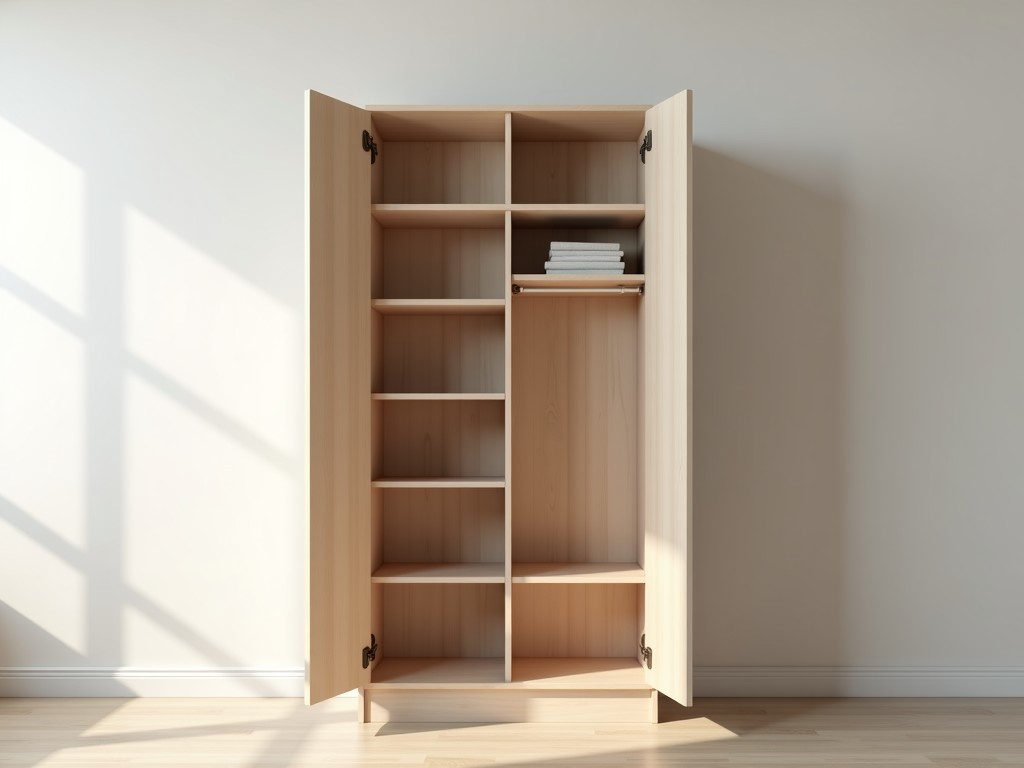
Fully Assembled Pantry Cabinet for Industrial and Commercial Facilities
In food processing plants, pharmaceutical facilities, laboratories, and commercial kitchens, storage solutions must meet strict hygiene, durability, and space-efficiency requirements. A fully assembled pantry cabinet eliminates on-site installation variability, delivers consistent dimensional accuracy, and reduces commissioning time — critical factors when production schedules are tight and contamination risks must be minimized.
Engineering Perspective: Design for Hygienic and Demanding Environments
Unlike flat-pack alternatives that require field assembly and risk misalignment, our fully assembled pantry cabinet is built as a single rigid unit in controlled factory conditions. This ensures square corners, consistent door gaps, and precise shelf spacing — all essential for maintaining cleanroom classifications (ISO 14644-1) and preventing microbial harborage in joints or crevices. The cabinet is engineered to withstand frequent cleaning cycles with alkaline detergents, steam, or chemical sanitizers without degradation of structural integrity or finish.
Material Selection: Matching Substrate to Application Demands
Material choice directly impacts corrosion resistance, cleanability, and longevity. For general food preparation areas, 304 stainless steel with a No. 4 brushed finish offers excellent resistance to organic acids and frequent washdowns. In environments exposed to chlorides — such as meat processing or dairy facilities — 316L stainless steel with a 2B or electropolished surface minimizes pitting and crevice corrosion. For non-food zones like administrative offices or break rooms within industrial complexes, powder-coated cold-rolled steel provides a cost-effective alternative with customizable color options and good impact resistance.
Manufacturing Process: Consistency Through Factory Assembly
Each cabinet is fabricated using precision laser cutting and CNC bending to achieve tight tolerances on flange alignment and door recess depth. Welding is performed using TIG techniques with inert gas shielding to prevent oxidation and ensure smooth, crevice-free seams — critical for passivation effectiveness. Post-weld, all surfaces undergo progressive grinding and polishing to meet specified Ra values (typically ≤0.8 μm for food-contact zones). Doors are hung on concealed, self-closing hinges with stainless steel pins, adjusted for uniform torque and gap consistency before final inspection.
Performance Advantages: Why Pre-Assembly Matters in Industrial Settings
Delivering a fully assembled unit reduces field labor by up to 70% compared to knock-down systems, minimizes the risk of missing hardware or incorrect assembly, and eliminates on-site welding or grinding that could introduce contamination. The cabinet arrives ready for immediate placement and use, supporting lean installation practices in retrofit projects or cleanroom expansions. Structural rigidity is validated through finite element analysis during design, ensuring resistance to sag under distributed loads — particularly important for tall units storing heavy containers or equipment.
Typical Specifications: Configurable Ranges for Industrial Use
| Parameter | Typical Range / Option |
|---|---|
| Overall Height | 800 – 2200 mm (customizable) |
| Width | 400 – 1000 mm (standard modules) |
| Depth | 400 – 600 mm (ergonomic reach) |
| Shelf Load Capacity | 80 – 150 kg/Udl (dependent on material and thickness) |
| Door Swing | Left-hand, right-hand, or double (upon request) |
| Finish (Stainless Steel) | No. 4 Brushed, 2B, Electropolished (304/316L) |
| Finish (Coated Steel) | Epoxy or Polyester Powder Coat (RAL colors available) |
Application Scenarios: Where Hygiene and Reliability Are Non-Negotiable
In poultry processing lines, these cabinets store sanitized tools and PPE near changeover zones, reducing cross-contamination risk during shift changes. In compounding pharmacies, they hold aseptic components under ISO Class 7 conditions, where particle shedding from inferior finishes could compromise product sterility. Laboratories use them to house reference standards and volatile reagents, benefiting from chemical-resistant surfaces and seamless construction that simplifies decontamination. Distribution centers install them in break areas to provide durable, low-maintenance storage for employee goods, resisting dents and scratches from daily use.
Customization Options: Adapting to Facility-Specific Needs
Beyond standard dimensions, cabinets can be modified with pass-through designs for wall mounting, integrated drip trays for liquid storage, or perforated shelves for airflow in dry goods storage. Locking mechanisms range from cam locks to electronic keypads, depending on security requirements. Interior accessories — such as adjustable shelf brackets, drawer inserts, or hanging rails — are fabricated from the same base material to maintain corrosion compatibility. All modifications are quoted based on finalized CAD models or detailed schematics provided by the client’s engineering team.
Packaging and Logistics: Protecting Finish During Transit
Each unit is wrapped in VCI-inhibitor film to prevent oxidation during shipment, then enclosed in a double-wall corrugated crate with corner protectors and foam edge blocking. For export, ISPM 15-compliant pallets are used, and humidity indicators are included in sea freight containers to monitor moisture exposure. Cabinets are shipped fully assembled to preserve factory-aligned tolerances; disassembly is not recommended unless handled by authorized personnel using documented procedures to avoid introducing stress or misalignment.
Installation and Maintenance: Minimizing Downtime
Installation requires only positioning and anchoring to the floor or wall using factory-drilled mounting points — no drilling, welding, or adjustment is typically needed. Leveling feet compensate for minor floor unevenness up to 15 mm. Maintenance involves routine cleaning with approved agents; abrasive pads or chlorine concentrations exceeding 200 ppm should be avoided on polished stainless surfaces to preserve the passive layer. Periodic inspection of hinge tension and door seals ensures long-term functional integrity, particularly in high-cycle applications.
Quality Control: Factory Validation Before Shipment
Every cabinet undergoes a multi-point inspection: dimensional verification against CAD models, finish uniformity checks under standardized lighting, door alignment and gap measurement (target: 2±0.5 mm), and load testing of shelves to 110% of rated capacity. Surface roughness is spot-tested using profilometers in critical zones. For stainless steel units, a ferroxyl test or copper sulfate swatch may be performed upon request to validate passivation effectiveness. Documentation, including material certificates and inspection records, is available for regulatory audits.
Supply Stability and Lead Time: Planning for Project Continuity
Raw material sourcing is diversified across certified mills to mitigate supply disruption. Standard configurations (e.g., 900x500x1800 mm 304 SS cabinet with two shelves) typically ship within 3–4 weeks after drawing approval. Customized units involving special finishes, non-standard dimensions, or integrated accessories may require 6–8 weeks, depending on tooling and process validation. Production capacity supports both single-unit replacements and multi-unit rollouts for facility expansions, with transparent communication on schedule changes.
Selection Guide: Key Considerations for Procurement and Engineering Teams
- Identify the hygiene zone (e.g., food contact, non-food, cleanroom) to determine material grade and finish requirements.
- Assess load distribution — concentrated loads from small containers may require reinforced shelving even if total weight seems low.
- Confirm door swing direction based on adjacent equipment and workflow paths to avoid interference.
- Specify any required accessories (locks, trays, rails) early to avoid retrofitting complications.
- Request material test certificates (EN 10204 3.1) and finish documentation for compliance with FDA, USDA, or GMP standards.
Frequently Asked Questions
What information is needed to provide an accurate quotation?
Please provide overall dimensions (HxWxD), preferred material and finish, number and layout of shelves, door handing, and any special requirements such as locks, drip trays, or electrical cutouts. A sketch or CAD file helps expedite review.
Can the cabinet be modified to fit around existing conduits or protrusions?
Yes. Notches, cutouts, or curved recesses can be fabricated during manufacturing based on field measurements or as-built drawings. Tolerances are typically ±1.0 mm for such features.
How is the cabinet protected against corrosion during long-term storage or overseas shipment?
VCI vapor inhibitors are applied to all metal surfaces prior to wrapping. For extended storage or humid climates, desiccant packs are included inside the packaging, and exterior wraps include UV-stabilized layers to prevent degradation from sunlight exposure.
Discuss your project requirements with our engineering team to review material options, dimensional constraints, and integration possibilities for your facility.