Top Treatment Room Cabinet For Hospital
Top Treatment Room Cabinet For Hospital
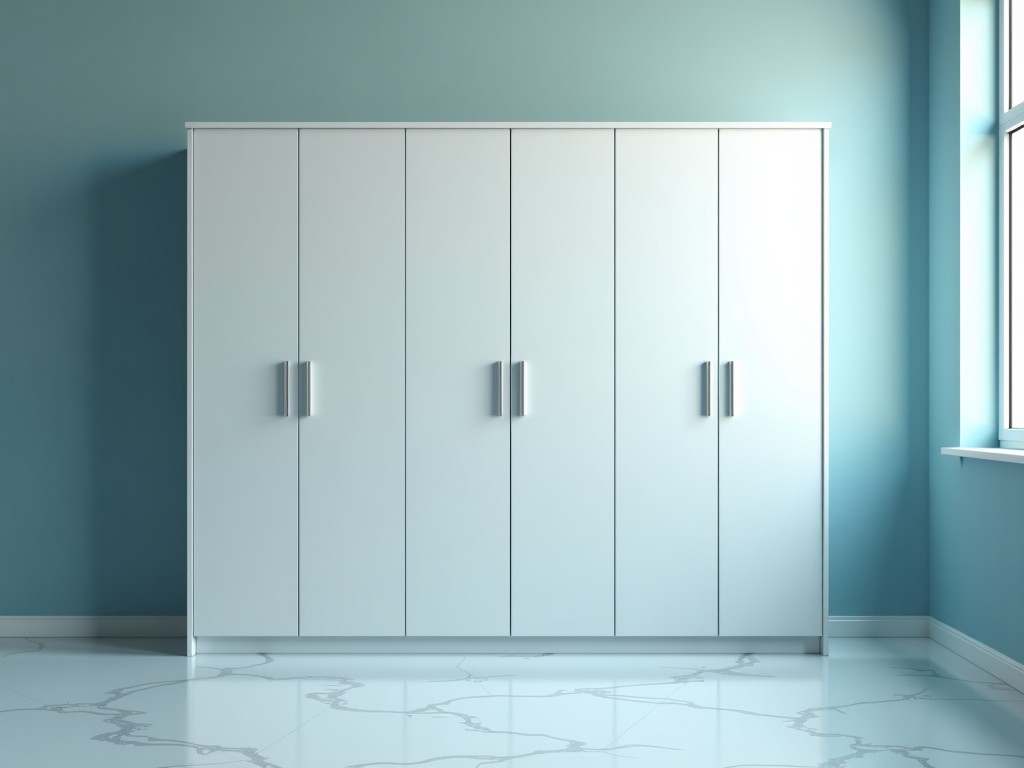
Medical-Grade Treatment Room Cabinets for High-Throughput Clinical Environments
In clinical settings, the treatment room cabinet serves as the critical interface between storage efficiency and rigorous infection control. Unlike standard office furniture, hospital-grade cabinetry must withstand frequent chemical-based disinfection cycles while maintaining structural integrity and providing surfaces for sensitive medical instruments. Our engineering focus centers on material stability, chemical resistance, and ergonomic workflows that reduce practitioner fatigue and ensure patient safety throughout the lifecycle of the facility.
Material Selection for Infection Control Compliance
Selecting the primary substrate for treatment cabinetry requires a balance between mechanical strength and biological inertness. Standard particle-board cores often delaminate when exposed to moisture or high-concentration cleaning agents, creating reservoirs for microbial growth. We utilize high-pressure laminates (HPL) and antimicrobial-treated steel surfaces to ensure a non-porous environment.
- Chemical Resistance: Surfaces engineered to withstand prolonged exposure to isopropyl alcohol, bleach solutions, and quaternary ammonium without discoloration or surface pitting.
- Anticrobial Additives: Integration of silver-ion technology to inhibit the growth of bacteria on high-touch surfaces like handles and drawer fronts.
- Seamless Construction: Laser-welded edges and radiused corners to eliminate sharp joints where dust and pathogens typically accumulate.
Engineering Considerations for Clinical Workflows
The internal configuration of a treatment room cabinet dictates the speed of procedural response. Our design philosophy prioritizes modular layouts that allow for the separation of sterile supplies, sharps consumables, and administrative documentation. By utilizing adjustable shelving and heavy-duty telescopic slides, we ensure that the cabinet remains functional even under maximum load capacities.
| Technical Specification | Standard Configuration |
|---|---|
| Primary Material | 18-gauge Cold-Rolled Steel or Powder-Coated Medical-Grade HPL |
| Load Capacity (Drawers) | Up to 45kg per full-extension drawer |
| Hardware Type | Soft-close, anti-microbial stainless steel |
| Surface Finish | Epoxy-based powder coating (Matte) |
| Mounting Options | Wall-mounted, Floor-standing, or Mobile configurations |
Customization and Facility Integration
No two hospital layouts are identical. Therefore, we provide comprehensive OEM and ODM services to integrate cabinetry into specific architectural floor plans. This includes the provision of integrated cable management for diagnostic equipment, specialized compartments for gas cylinders, and customized dimensions to maximize square footage in compact examination rooms.
<When procurement teams evaluate these solutions, the long-term cost of ownership often justifies higher initial specifications. Our manufacturing process utilizes precision CNC cutting to ensure that every panel aligns within a ±0.5mm tolerance, preventing the misalignment that can cause hardware failure or compromise the aesthetic of a modern clinical environment.
Quality Control and Inspection Standards
To ensure reliability in critical environments, every unit undergoes a multi-stage inspection process. This includes load-testing of mechanical components, salt-spray testing on metal surfaces to verify corrosion resistance, and dimensional verification against technical blueprints. This ensures that the cabinet arrives on-site ready for immediate installation without field adjustments.
Planning a Facility Upgrade?
Whether you are designing a new wing or renovating an existing clinic, our engineering team can provide technical specifications and drawings for your project.
Request Technical Specifications & Quotation