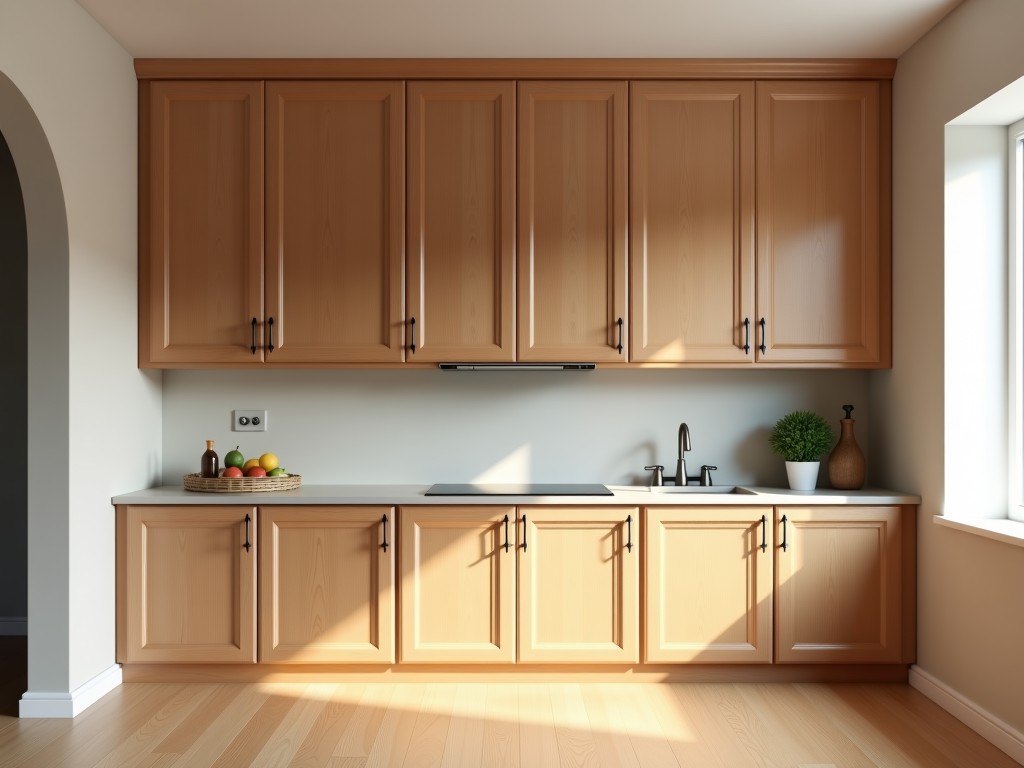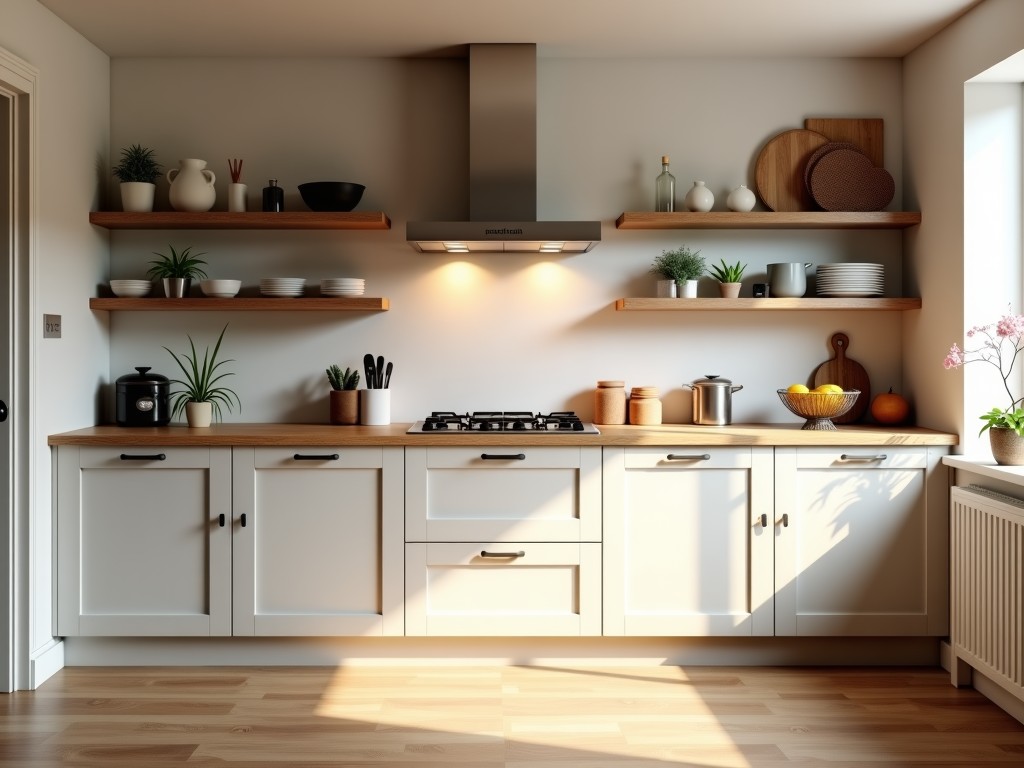
Pre Assembled Kitchen Cabinets For Sale
Pre Assembled Kitchen Cabinets For Sale
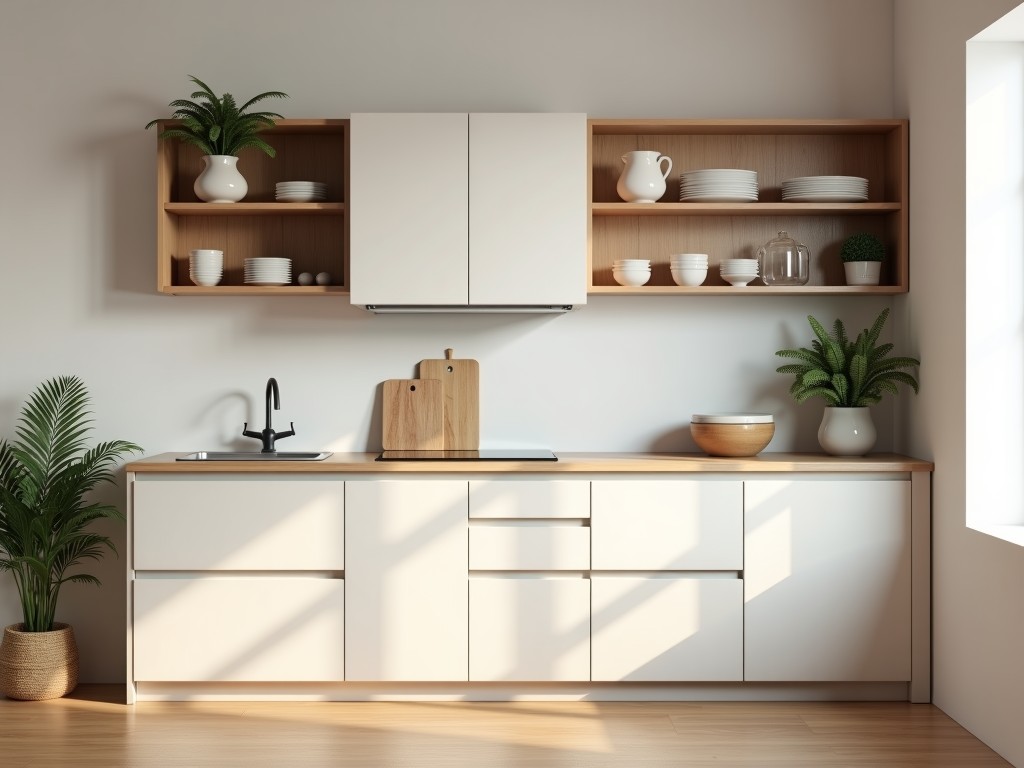
Pre Assembled Kitchen Cabinets for Commercial and Industrial Applications
In food service, healthcare, and institutional facilities, kitchen cabinetry must withstand continuous operation, frequent cleaning, and exposure to moisture, heat, and chemicals. Standard residential solutions often fail under these conditions, leading to delamination, warping, or hardware failure that disrupts workflow and increases lifecycle costs. Pre assembled kitchen cabinets designed for commercial environments address these challenges through material selection, construction methods, and hardware specification tailored to high-cycle use.
Engineering Considerations for Demanding Environments
Unlike residential cabinetry, commercial units require structural integrity under sustained load, resistance to steam and sanitizing agents, and compatibility with institutional hardware. The core challenge lies in balancing durability with manufacturability — materials must resist swelling and delamination while allowing precise joinery and consistent finish across large production runs. Engineers evaluate substrate stability, adhesive performance under thermal cycling, and edge sealing effectiveness when specifying cabinetry for laboratories, hospitals, or correctional facilities.
Material Selection and Substrate Performance
The substrate forms the foundation of long-term performance. Marine-grade plywood with exterior glue (WBP) provides dimensional stability in humid environments, resisting core softening better than particleboard or MDF. For applications requiring chemical resistance, such as chemical labs or pharmaceutical cleaning areas, polypropylene-coated panels or stainless steel substrates may be specified. Surface finishes range from high-pressure laminate (HPL) with melamine backing to thermoplastic wraps, each selected based on abrasion resistance, cleanability, and compliance with food contact regulations.
Construction Methods and Joint Integrity
Pre assembly in the factory ensures joint consistency and reduces on-site installation variables. Common methods include dado and rabbet joints reinforced with pneumatic staples or screws, full-depth shelving supported by metal brackets, and European-style concealed hinges with soft-close dampers. Dowel and cam-lock systems allow for disassembly and reconfiguration while maintaining alignment tolerance within ±0.5mm. All joints are inspected for glue penetration and clamp pressure to prevent future separation under load or vibration.
Typical Specifications for Industrial Evaluation
| Parameter | Typical Range / Option | Relevant Standard / Note |
|---|---|---|
| Substrate Material | Marine plywood, moisture-resistant MDF, stainless steel, polypropylene-coated panels | ASTM D632, EN 314-2, ISO 12460-5 |
| Surface Finish | HPL (0.7–1.2mm), thermoplastic wrap, powder-coated steel, UV-cured acrylic | NEMA LD 3, ISO 4586, FDA 21 CFR 175.300 |
| Door Thickness | 16–22mm (depending on core and finish) | Impacts hinge load capacity and deflection |
| Shelf Load Capacity | Up to 40kg/m² (uniformly distributed) | Tested per ANSI/KCMA A161.1 |
| Edge Sealing | PVC, ABS, or metal edge banding (0.5–2.0mm) | Prevents moisture ingress at vulnerable points |
| Hardware Type | Concealed hinges (soft-close), full-extension slides, magnetic catches, stainless steel handles | Rated for 50,000+ cycles |
| Modular Width Increments | 150mm, 300mm, 600mm (standard); custom upon request | Facilitates layout flexibility and reconfiguration |
Application-Specific Adaptations
In food processing plants, cabinets may feature sloped tops to prevent debris accumulation and sealed bases to facilitate washdown. Healthcare installations often require antimicrobial surfaces and integrated cable management for medical equipment. Laboratory units prioritize chemical resistance and may include fume hood compatibility or vented storage for flammables. Each adaptation addresses a specific operational hazard — whether it’s preventing microbial harborage, enabling sanitation validation, or containing chemical spills — rather than adding features for marketing appeal.
Quality Control and Factory Consistency
Pre assembly allows for standardized quality checks at multiple stages: substrate flatness verification, adhesive cure confirmation, edge band adhesion testing, and hardware torque validation. Finished units undergo functional testing — door alignment, shelf leveling, and slide operation — before packaging. This approach reduces field adjustments and ensures that tolerance stacks remain within acceptable limits across production batches, a critical factor for OEMs integrating cabinetry into modular wall systems or prefabricated pods.
Packaging and Logistics for Damage Prevention
Units are wrapped in polyethylene film, corner-protected with recycled cardboard or foam, and stacked on heat-treated pallets with interlocking corner braces. Interior compartments are stabilized with die-cut inserts to prevent shifting during transit. For export shipments, moisture-barrier liners and ISPM 15-compliant pallets are standard. Packaging design focuses on protecting edges and surfaces — the most vulnerable areas — rather than minimizing material use, recognizing that field damage increases total project cost more than packaging savings.
Installation and Field Adjustability
While pre assembled, cabinets retain field adjustability through elongated mounting holes, shim-compatible leveling legs, and modular filler strips. This accommodates common site variations such as uneven floors or non-planar walls without requiring factory rework. Clear installation guides include torque specifications for wall anchors and sequencing instructions for interconnected units, reducing reliance on subjective judgment during setup. For sealed environments, gasket kits are available to maintain ingress protection ratings after installation.
| Factor | Impact on Long-Term Value | Typical Mitigation Approach |
|---|---|---|
| Moisture Exposure | Delamination, microbial growth, fastener corrosion | WBP glue, sealed edges, non-absorbent substrates |
| Chemical Contact | Surface degradation, discoloration, off-gassing | HPL with chemical-resistant backing, stainless steel |
| Mechanical Wear | Hinge sag, slide failure, surface abrasion | Rated hardware, abrasion-resistant finishes |
| Thermal Cycling | Joint stress, finish cracking, adhesive creep | Flexible adhesives, dimensional stable substrates |
Engineers and procurement teams evaluating pre assembled kitchen cabinets for institutional or industrial use should prioritize material compatibility with cleaning protocols, hardware lifecycle expectations, and factory quality verification processes. The goal is not merely to purchase cabinetry, but to specify a system that maintains function, hygiene, and appearance over a defined service life — typically 10–15 years in high-demand environments — with minimal unplanned maintenance.
Share your project requirements, including environmental conditions, load expectations, and regulatory considerations, for a detailed proposal from our engineering team.