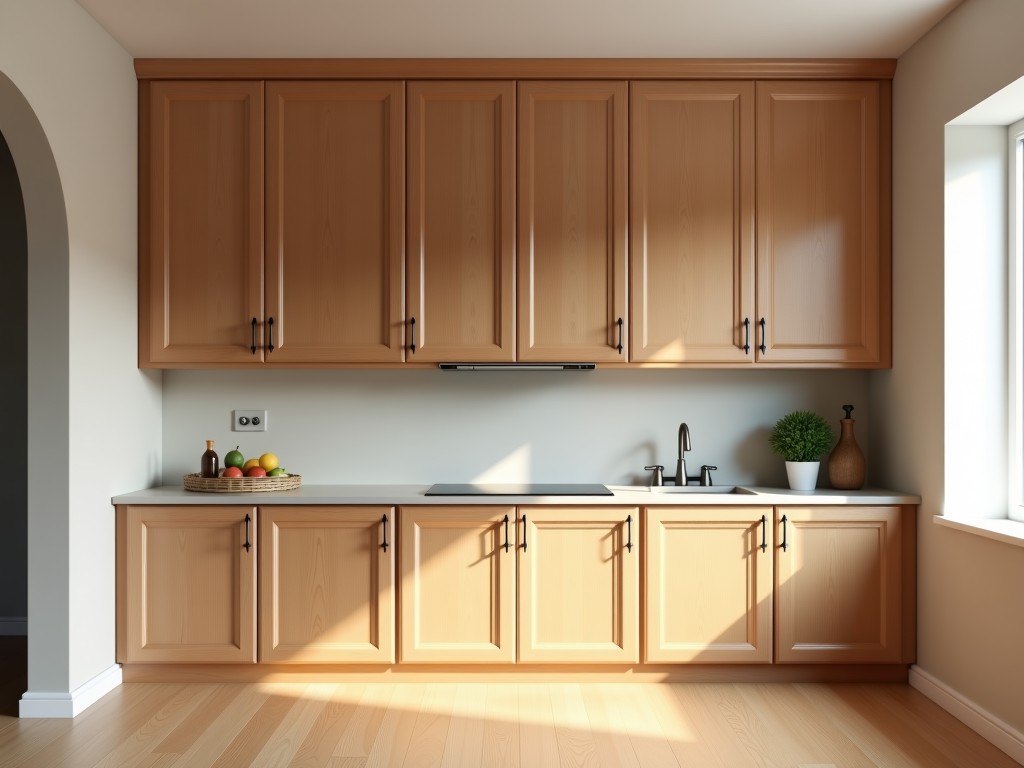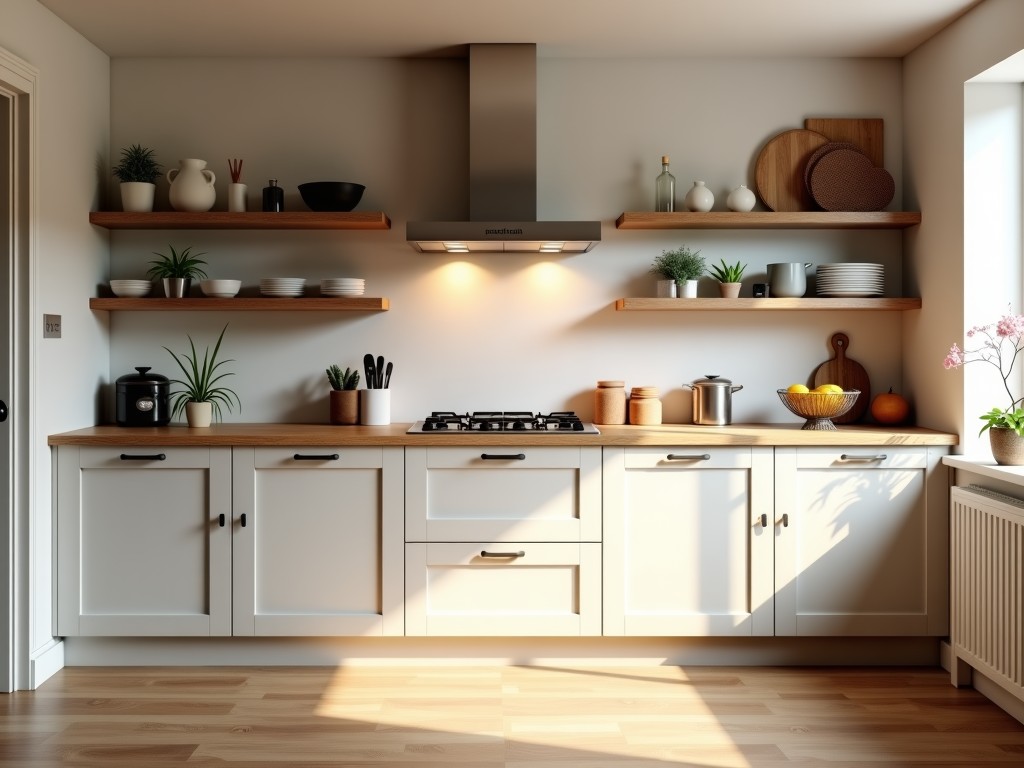
OEM School Storage Cabinets
OEM School Storage Cabinets
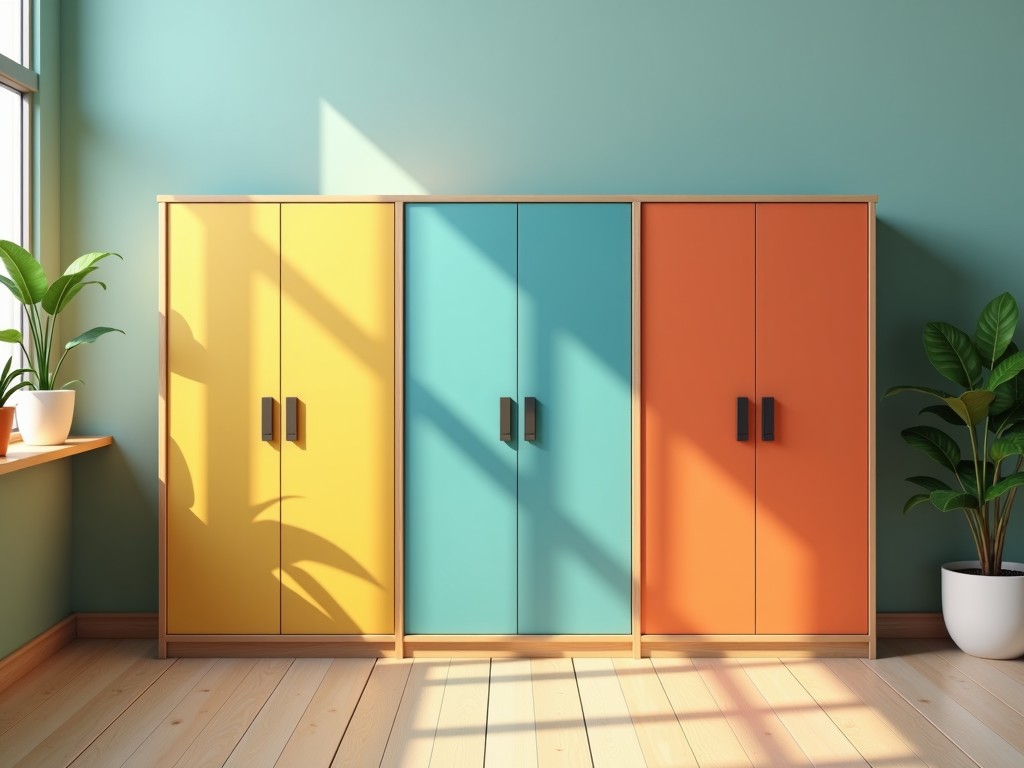
School Storage Cabinets: Engineered for Durability and Daily Use
In educational environments, storage solutions face constant use, varying load conditions, and exposure to cleaning agents and humidity. Cabinets must maintain structural integrity over years of operation while supporting organized access to books, supplies, and equipment. Material selection, joinery methods, and surface finishes directly impact longevity, safety, and maintenance requirements.
Material Selection for High-Traffic Educational Settings
The most common construction materials for school storage cabinets are melamine-faced particleboard, high-pressure laminate (HPL) over plywood or MDF, and powder-coated steel frames with solid wood or laminate doors. Melamine-faced panels offer cost-effective resistance to scratches and moisture ingress, making them suitable for general classroom storage. HPL provides enhanced surface hardness and chemical resistance, ideal for science labs or art rooms where exposure to solvents or pigments is common. Steel frames with reinforced corners deliver superior impact resistance in high-traffic corridors or gymnasium storage areas, though they require proper coating to prevent corrosion in humid climates.
Structural Design and Load Considerations
Cabinet bodies are typically assembled using cam locks, dowels, and glue for panel-based units, or welded and bolted frames for steel constructions. Shelves are designed to support distributed loads ranging from 20 to 40 kg per square meter, depending on material thickness and bracket design. Adjustable shelf systems use metal pins or brackets that engage into pre-drilled rows, allowing reconfiguration as storage needs evolve. Door hinges are selected based on usage frequency—concealed European-style hinges with soft-close mechanisms reduce wear in frequently accessed units, while heavy-duty butt hinges are preferred for steel cabinets subjected to frequent opening and closing.
Typical Specifications and Dimensional Standards
| Specification | Typical Range | Notes |
|---|---|---|
| Overall Height | 900–1800 mm | Adjusted for user age group; lower units for elementary, full-height for secondary |
| Overall Width | 600–1200 mm | Standard module widths; ganged units common for wall systems |
| Overall Depth | 400–500 mm | 450 mm standard for binder and textbook storage; 400 mm for shallow cubbies |
| Shelf Thickness | 16–25 mm | Thicker shelves used in units supporting heavy equipment or storage bins |
| Door Overlay | Full or partial overlay | Full overlay minimizes gap accumulation of dust and debris |
| Edge Banding | 0.5–2 mm PVC or ABS | Prevents moisture ingress at panel edges; color-matched to surface |
Surface Finish and Hygiene Considerations
Surfaces in educational settings require regular cleaning with mild detergents or disinfectants. Non-porous finishes such as melamine, HPL, or powder-coated steel resist staining and microbial retention. Edge sealing is critical—unsealed edges on particleboard or MDF can absorb moisture, leading to swelling and delamination over time. Some manufacturers offer antimicrobial surface treatments as an optional additive to the laminate or paint layer, though routine cleaning remains the primary hygiene control.
Customization Options for Institutional Projects
School storage cabinets are frequently customized to match specific room layouts, accessibility requirements, or branding needs. Common modifications include:
- Integration of coat hooks, cubbies, or mail slots within the cabinet frame
- Addition of locking mechanisms—cam locks, hasp locks, or electronic keypads—for securing valuable items
- Ventilation panels or perforated doors for gym equipment or athletic storage
- Label holders or transparent door inserts for visual inventory management
- Mobility options via locking casters for reconfigurable learning spaces
Dimensional adjustments are typically limited to standard increments (e.g., 50 mm width steps) due to panel cutting constraints, though custom heights and depths are achievable with adjusted tooling and may affect lead time.
Packaging and Logistics for Bulk Orders
Flat-pack design is standard for panel-based cabinets to optimize shipping volume and reduce damage risk during transit. Each unit is packed with corner protectors, edge foam, and placed in corrugated cartons with printed assembly instructions and hardware packs. Steel cabinets are often shipped assembled or semi-assembled due to welding constraints, requiring protective framing and corner bracing. Orders are typically palletized and stretch-wrapped for stability, with clear labeling indicating destination room or building zone to streamline on-site distribution.
Installation and Long-Term Maintenance
Assembly requires basic hand tools and follows a standardized sequence: frame construction, shelf installation, door hanging, and hardware adjustment. Leveling feet are essential on uneven floors to prevent door misalignment and uneven shelf loading. Annual inspections should check hinge tightness, shelf sag, and surface damage—particularly in high-moisture areas like locker rooms or kitchens. Touch-up kits for edge banding or paint are recommended for maintaining appearance and preventing substrate exposure.
Quality Control and Production Consistency
Dimensional accuracy is verified during cutting and edgebanding processes, with tolerances typically held within ±0.5 mm for panel dimensions and ±1.0 mm for overall assembly. Squareness is checked at multiple stages to ensure doors hang properly and shelves sit level. Finish adhesion and abrasion resistance are tested via standardized methods, though specific values vary by material supplier. Random sampling is conducted on bulk orders to verify hardware function and packaging integrity before release.