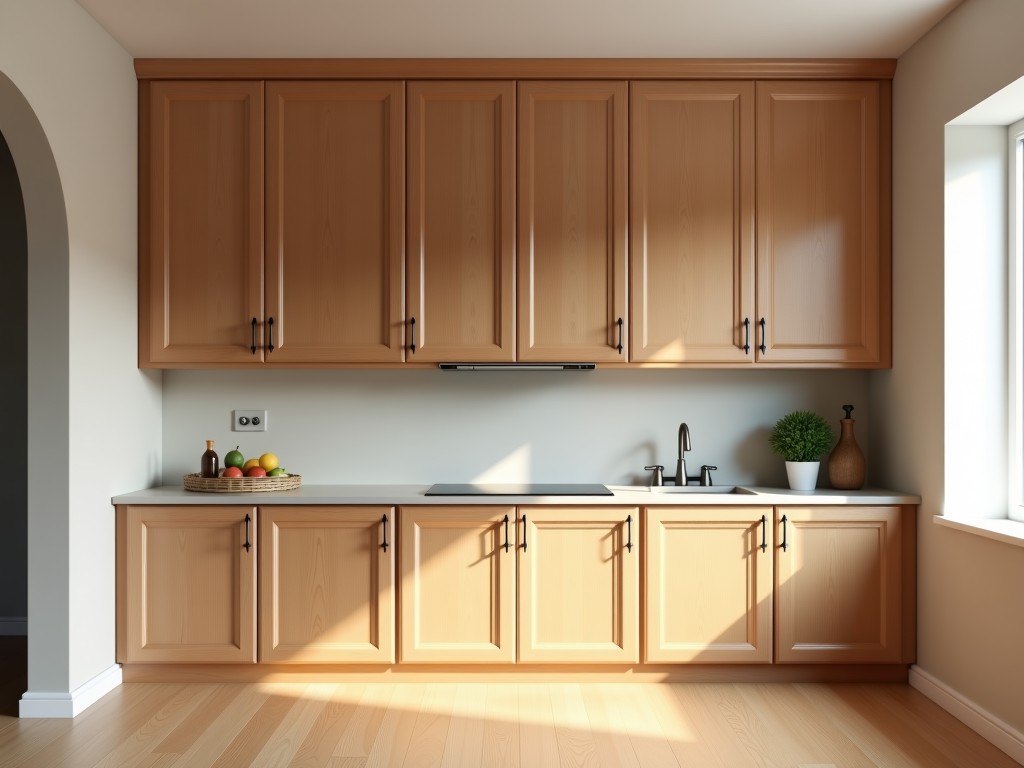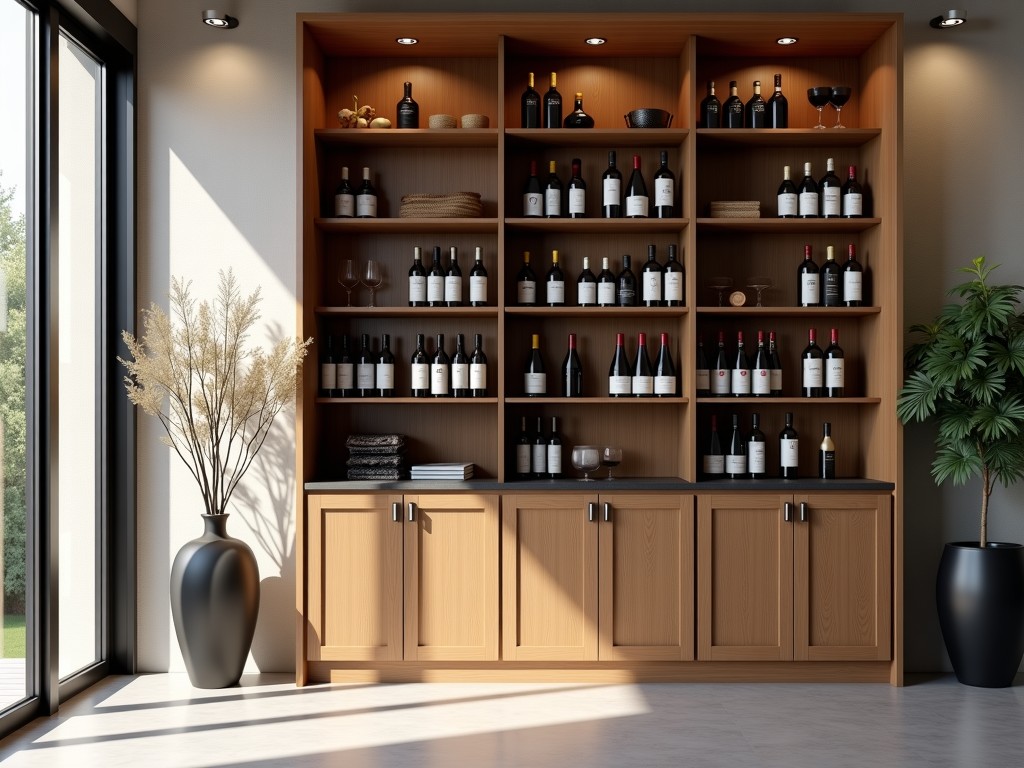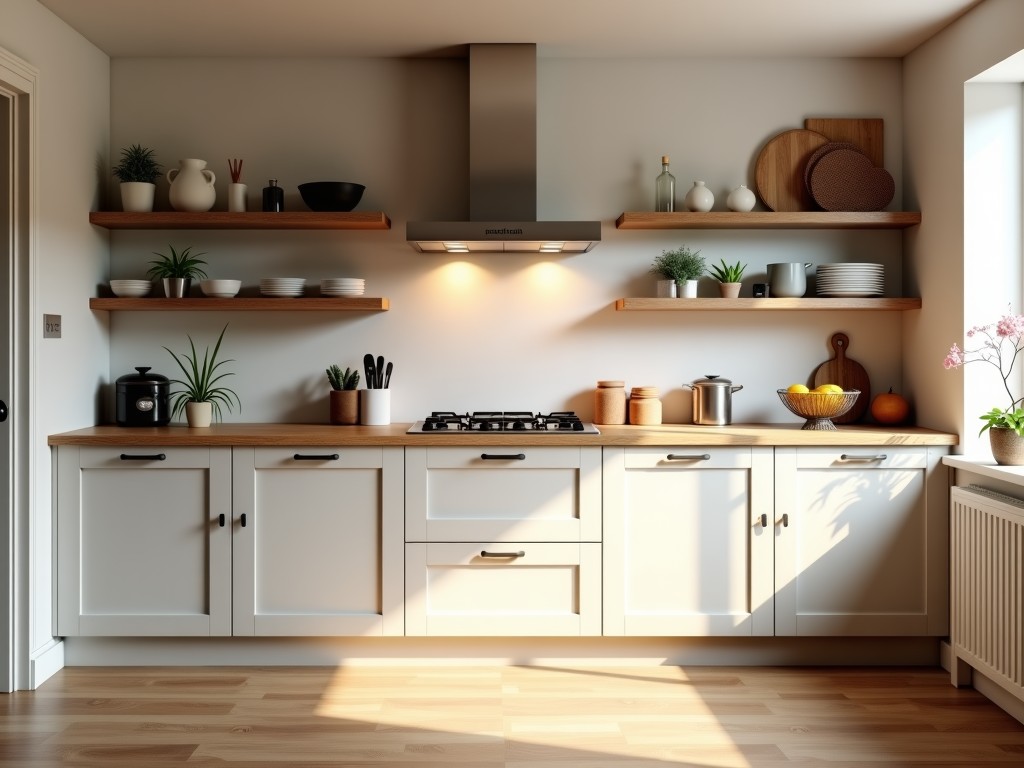
OEM Plywood Built In Cabinets
OEM Plywood Built In Cabinets
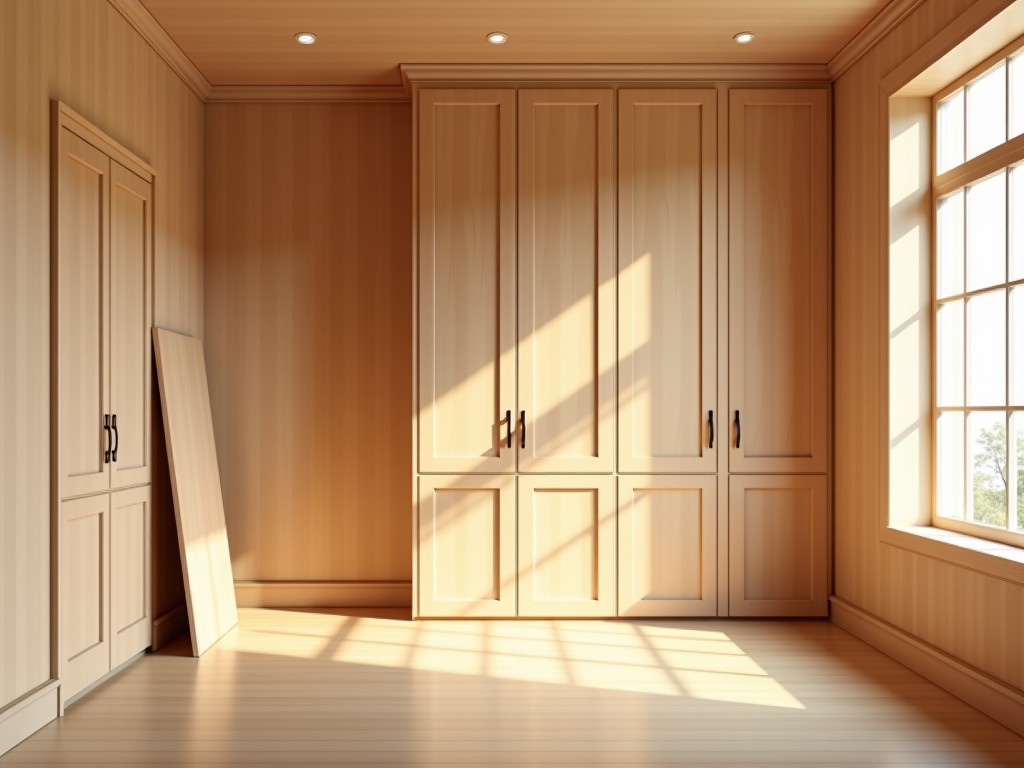
Plywood Built-In Cabinets for Industrial Environments
In manufacturing facilities, laboratories, and technical workshops, storage solutions must withstand daily exposure to tools, chemicals, and fluctuating environmental conditions while maintaining precise alignment for equipment integration. Plywood built-in cabinets offer a structural alternative to metal or particleboard systems, combining dimensional stability with adaptability for custom configurations. This page details the engineering considerations, material behavior, and fabrication methods that determine long-term performance in demanding industrial settings.
Material Selection and Structural Behavior
The performance of built-in cabinets begins with core material properties. Industrial-grade plywood used in cabinet construction typically features multiple plies of hardwood or softwood veneers bonded with exterior-grade adhesives, resulting in cross-laminated layers that resist warping and splitting under load. Unlike solid wood, plywood exhibits minimal seasonal movement due to its balanced construction, while offering superior screw holding capacity compared to particleboard or MDF—critical for maintaining hinge alignment and shelf support over time. Birch and poplar cores are common choices for applications requiring consistent flatness and edge integrity, whereas phenolic-faced plywood provides enhanced resistance to moisture and chemical exposure in washdown areas or laboratories.
Manufacturing Process and Dimensional Control
Fabrication begins with CNC cutting of plywood sheets to tight tolerances, typically ±0.5mm for panel dimensions and ±0.2mm for mating edges, ensuring seamless alignment during assembly. Edge banding with PVC, wood veneer, or thermoplastic materials protects against moisture ingress and impact damage, particularly on exposed surfaces. Cabinet carcasses are assembled using dados, rabbets, or pocket-hole joinery reinforced with industrial adhesives and mechanical fasteners, creating rigid frames that resist racking under dynamic loads. Shelves and dividers are often designed with adjustable mounting systems using steel standards or wooden cleats, allowing reconfiguration without compromising structural integrity. Finish options range from clear sealants to catalyzed coatings, selected based on abrasion resistance and compatibility with cleaning agents used in the facility.
Performance Characteristics in Industrial Use
Load capacity depends on panel thickness, support spacing, and fastening method. A 18mm birch plywood shelf supported at 600mm intervals typically withstands uniformly distributed loads of 80–120kg without perceptible deflection, suitable for storing tools, bins, or light machinery components. In environments with frequent vibration—such as near CNC machines or presses—additional intermediate supports or thicker panels (25mm) may be specified to maintain alignment. Surface durability is influenced by finish selection; melamine-faced plywood resists staining and abrasion in high-traffic areas, while UV-cured coatings provide harder surfaces for laboratories requiring frequent disinfection. Thermal stability remains adequate for most indoor industrial settings, with plywood exhibiting less than 0.5% dimensional change across typical temperature ranges (10–35°C).
Typical Specifications and Configuration Options
| Parameter | Typical Range / Options |
|---|---|
| Core Material | Birch, poplar, or hardwood-faced plywood; phenolic or melamine overlay available |
| Panel Thickness | 12mm, 15mm, 18mm, 25mm (custom thicknesses per project) |
| Edge Treatment | PVC, wood veneer, ABS, or untreated (for on-site finishing) |
| Interior Finish | Clear sealant, melamine, UV coating, or paint-grade surface |
| Load Capacity (Shelf) | 60–150kg UDL depending on thickness and support spacing |
| Height Adjustment | 32mm increments via steel standards or wooden cleats |
| Standard Dimensions | Base cabinets: 800–900mm H × 450–600mm D; Wall cabinets: 300–700mm H × 300–350mm D |
| Customization | Cutouts for utilities, integrated lighting, locking mechanisms, ergonomic pulls |
Application Scenarios and Environmental Suitability
Plywood built-in cabinets are selected when a balance of strength, weight, and adaptability is required. In automotive assembly lines, they serve as mobile tool stations mounted on lockable casters, where their resistance to denting outperforms thinner metal alternatives. Electronics laboratories specify phenolic-faced plywood for storage of sensitive components, benefiting from its low outgassing and static-dissipative properties when properly finished. Food processing facilities use marine-grade plywood with FDA-compliant coatings in wash zones, where resistance to delamination under repeated steam cleaning is essential. Unlike steel cabinets, plywood does not conduct cold or create condensation issues in temperature-controlled environments, making it suitable for pharmaceutical storage or metrology labs where thermal bridging could affect measurement accuracy.
Quality Control and Production Consistency
Material verification begins with incoming plywood inspection for core voids, face quality, and adhesive bond strength, often following ASTM D3043 or equivalent standards. Panel dimensions are validated against CNC programs before cutting, with first-article inspection confirming joint alignment and squareness. Finish adhesion is tested using tape or cross-hatch methods per ASTM D3359, particularly important in chemically active environments. Packaging for shipment includes corner protection and stretch wrapping to prevent edge damage during transit, with flat-pack options available for on-site assembly to reduce volumetric freight costs. Lead times depend on material availability and finish complexity, typically ranging from 2–4 weeks for standard configurations and 4–6 weeks for custom-coated or integrated units.
For engineers evaluating storage solutions where long-term dimensional stability, customization flexibility, and resistance to industrial wear are priorities, plywood built-in cabinets provide a proven alternative to monolithic materials. Share your project specifications, including environmental conditions, load requirements, and integration needs, to receive a detailed proposal tailored to your facility’s operational demands.