Oem Outdoor Sink Cabinet
Oem Outdoor Sink Cabinet
OEM Outdoor Sink Cabinet
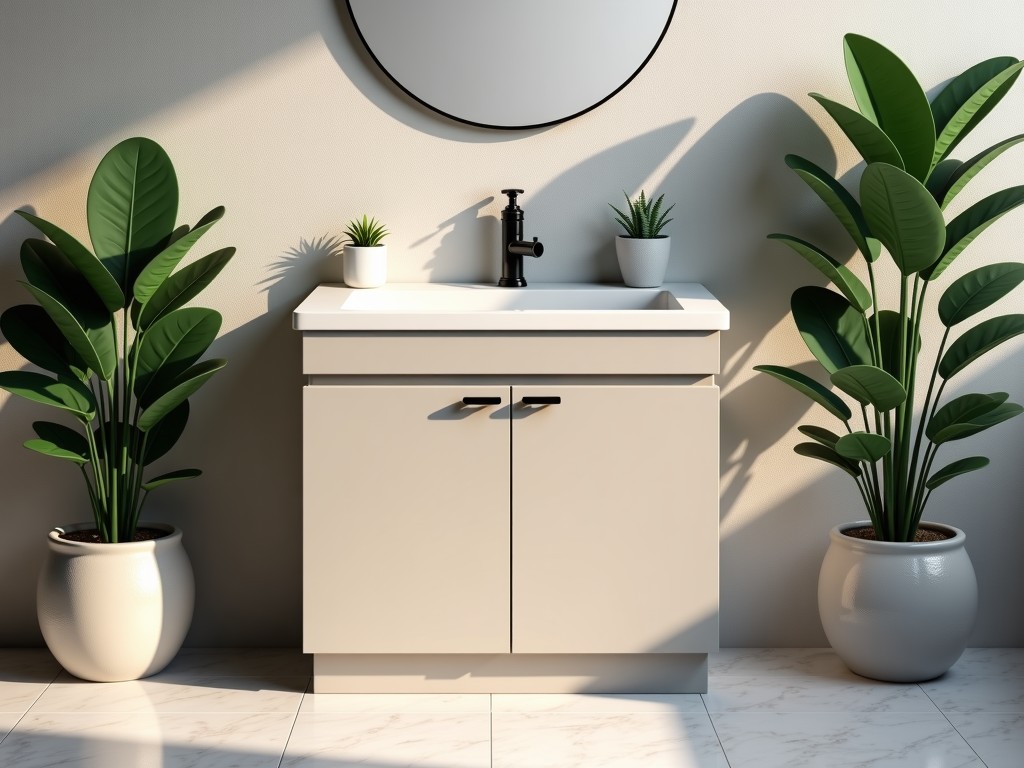
Outdoor sink cabinets are engineered for environments where exposure to weather, cleaning agents, and frequent use demands corrosion resistance, structural stability, and long-term serviceability. Unlike indoor units, these assemblies must maintain dimensional integrity under thermal cycling, UV exposure, and potential chemical contact while supporting integrated plumbing and drainage systems. Procurement teams evaluate them not just as enclosures, but as critical components affecting hygiene, workflow efficiency, and lifecycle cost in commercial kitchens, laboratories, marine facilities, and industrial washdown zones.
Material selection directly impacts performance. Stainless steel grades (typically 304 or 316L) are chosen based on chloride exposure levels — 316L preferred in coastal or chemical-processing settings due to molybdenum-enhanced pitting resistance. Frame construction uses laser-cut profiles with TIG-welded joints to minimize crevices where contaminants accumulate. Surface finishes follow No. 4 brushed or electropolished standards to reduce microbial adhesion and simplify cleaning protocols.
Engineering Perspective: Load, Drainage, and Environmental Integration
Outdoor sink cabinets must simultaneously support static loads from sinks, faucets, and equipment while managing dynamic forces from user interaction and cleaning equipment. Deflection limits are typically held to < L/360 under full load to prevent stress on plumbing connections and countertop seals. This requires reinforced framing — often using 1.5mm–2.0mm thick stainless steel channels with gusseted corners — rather than relying on panel stiffness alone.
Drainage design is integral to the cabinet structure. Sloped bases (typically 1–2° pitch) direct wastewater toward integrated drain outlets, eliminating standing water that could lead to corrosion or bacterial growth. Plumbing penetrations are sealed with welded bulkheads or compression fittings rated for outdoor use, avoiding threaded connections that may loosen over time due to vibration.
Thermal expansion is addressed through floating countertop mounts and expansion joints in long runs. Unlike rigid indoor installations, outdoor systems accommodate dimensional changes of up to 3mm per meter over a 40°C temperature swing — a critical consideration often overlooked in retrofit projects where existing structures constrain movement.
Material Selection: Matching Grade to Environmental Severity
| Environmental Condition | Recommended Stainless Steel Grade | Key Considerations |
|---|---|---|
| Moderate humidity, occasional washdown | AISI 304 | Cost-effective for inland commercial kitchens; requires regular passivation |
| Coastal, marine, or chemical exposure | AISI 316L | Superior pitting resistance; essential where chlorides or cleaning agents are prevalent |
| High-temperature wash zones | 316L with low-carbon stabilization | Minimizes sensitization risk during welding; maintains corrosion resistance in HAZ |
Material thickness is selected based on span and load requirements. Cabinet bodies typically use 1.2mm–1.5mm sheet for panels, while structural members (legs, crossbars) employ 1.5mm–2.0mm profiles. Thinner gauges may be used in non-load-bearing areas to reduce weight, but only when supported by adequate stiffening — a trade-off procurement teams must validate against deflection limits.
Surface finish affects both aesthetics and maintenance. No. 4 brushed finish hides minor scratches and is standard for most applications. Electropolished finishes, while higher in cost, reduce surface roughness to < 0.4μm Ra, significantly lowering biofilm adhesion — a factor in food processing or pharmaceutical environments where hygiene audits are frequent.
Manufacturing Process: Precision Fabrication for Consistency
Production begins with CNC laser cutting of stainless steel blanks to within ±0.1mm tolerance, ensuring repeatable fit-up during assembly. Components are formed using precision brake presses with radius tooling to avoid micro-cracking in the bend zone — critical for maintaining corrosion resistance in formed sections.
Assembly relies on TIG welding for primary joints, chosen for its clean, low-spatter bead and superior corrosion resistance compared to MIG or spot welding. Post-weld, all joints undergo pickling and passivation to restore the chromium oxide layer depleted during heating. This step is non-negotiable in outdoor applications — skipping it invites localized corrosion at weld sites within months.
Hardware integration (hinges, locks, leveling feet) uses stainless steel fasteners with nylon inserts to prevent galling. Adjustable legs accommodate uneven substrates — a common requirement in retrofit installations where floor slope exceeds 5mm over 1m. All penetrations are sealed with EPDM or silicone gaskets rated for -40°C to +120°C service, ensuring long-term weather resistance.
Typical Specifications: Configurable Ranges for OEM Integration
| Parameter | Typical Range | Notes |
|---|---|---|
| Overall Width | 600–1800 mm | Customizable in 50mm increments; wider units require intermediate support |
| Depth (Front to Back) | 500–700 mm | Matches standard sink bowls and countertop overhangs |
| Height (Adjustable) | 800–950 mm | ±50mm adjustment via threaded legs; ADA-compliant options available |
| Material Thickness (Body) | 1.2–1.5 mm | 304 or 316L; structural members up to 2.0mm |
| Load Capacity (Uniformly Distributed) | 150–300 kg | Dependent on frame design; tested per ANSI/BIFMA X5.5 equivalents |
| Drain Outlet Size | 50mm (2") standard | Optional 75mm for high-flow applications |
These values represent common configurations. Actual dimensions, material grades, and load ratings are finalized during engineering review based on site conditions, equipment layout, and local plumbing codes. OEMs receive detailed CAD models and load calculations for validation before tooling approval.
Application Scenarios: Where Performance Is Non-Negotiable
In marine environments — such as fish processing vessels or offshore platforms — constant salt spray and condensation create aggressive corrosion conditions. Cabinets here use 316L with full-welded construction and no exposed fasteners. Drainage systems are designed to handle particulates (e.g., fish scales) without clogging, using larger outlet diameters and internal strainers accessible for cleaning.
Industrial washdown zones in food and beverage plants require resistance to high-pressure cleaning (up to 150 bar) and alkaline foaming agents. Cabinets feature sloped tops, sealed seams, and rounded internal corners to eliminate retention points. Door gaskets are compressed to 30% deflection to maintain IP66-rated protection against water ingress during cleaning cycles.
Laboratory outdoor sampling stations face variable weather and chemical exposure from reagents or solvents. Material choice depends on the specific chemical profile — 316L handles most inorganic acids and bases, while specialized grades may be needed for chlorinated solvents. Ventilation is often integrated via louvered panels to prevent vapor buildup without compromising weather sealing.
Customization Options: Engineering-Led Adaptation
OEM engagement starts with submission of installation drawings, equipment schedules, and environmental data. Our engineering team evaluates load paths, thermal expansion requirements, and service access needs before proposing a baseline design. Customization is not limited to dimensions — it includes integration of utility chases, modular partitioning for chemical storage, and adaptable mounting interfaces for third-party equipment.
Branding or identification requirements are met through laser etching or bonded stainless steel plaques — methods that avoid crevices or adhesive failure points. Color coding for zone identification (e.g., red for waste, blue for potable water) uses vitreous enamel coatings fired at >800°C, ensuring UV stability and chemical resistance far exceeding painted alternatives.
Logistics considerations are addressed early. Knock-down (KD) kits are available for remote installations, with all mating surfaces marked and hardware pre-bagged by assembly sequence. Flat-pack design reduces volume by up to 60%, lowering freight costs and minimizing damage risk during transit. Reassembly requires only standard tools and takes <2 hours per unit for trained technicians.
Quality Control: Process-Driven Consistency
Every unit undergoes dimensional verification at three stages: post-cut, post-form, and post-assembly. Critical interfaces (e.g., sink mount, drain flange) are checked against 3D models using portable CMMs with ±0.05mm accuracy. Weld integrity is validated via dye penetrant testing on 100% of external joints and random cross-sections of internal welds — a practice exceeding standard visual inspection.
Finish consistency is assessed using gloss meters and profilometers to ensure No. 4 brushed finish stays within 150–250 GU and Ra < 0.8μm. For electropolished units, surface roughness is confirmed < 0.4μm Ra before passivation. These checks are not sampling-based — they apply to every unit in the production lot.
Final inspection includes functional testing: drain flow rate verification (minimum 20 L/min at 0.5 bar backpressure), door alignment (<1.5mm gap variance), and load deflection under simulated service weight. Units are only cleared for shipment after all parameters meet predefined acceptance criteria — no exceptions.
Installation and Maintenance: Long-Term Serviceability
Installation begins with substrate verification — levelness, load capacity, and proximity to utilities. Adjustable legs compensate for minor floor irregularities, but significant slopes require shimming or structural leveling plates. Clearance behind the cabinet (minimum 50mm) is essential for plumbing access and ventilation, particularly in enclosed installations.
Preventive maintenance focuses on drainage integrity and surface care. Quarterly inspection of drain lines and strainers prevents buildup that could lead to backpressure or corrosion. Surfaces are cleaned with pH-neutral detergents — abrasive pads or chlorinated cleaners may degrade the passive layer over time. In coastal environments, monthly rinsing with fresh water reduces chloride accumulation.
Unlike consumer-grade units, these cabinets are designed for 15+ year service life in harsh conditions. Replacement is typically driven by facility reconfiguration, not material failure. Spare parts (hinges, gaskets, leveling feet) are standardized and available for extended periods, reducing lifecycle risk for OEMs and facility managers.
Packaging and Logistics: Protecting Finish in Transit
Units are wrapped in VCI (vapor corrosion inhibitor) film to prevent oxidation during sea freight or storage. Corner protectors and edge guards are applied before placing in double-wall corrugated crates with internal bracing. Shock indicators are attached to detect mishandling — any unit showing >15G impact is quarantined for inspection before release.
For KD kits, components are sorted by assembly stage and labeled with QR codes linking to 3D assembly guides. Hardware kits include torque specifications for critical fasteners (e.g., leg brackets: 8–10 Nm) to ensure proper preload without over-tightening. This reduces field assembly errors and ensures structural integrity matches factory specifications.
Ready to Discuss Your Outdoor Sink Cabinet Requirements?
Share your project specifications, installation environment, and load requirements with our engineering team. We’ll provide a detailed review covering material selection, structural validation, and customization options tailored to your application — no generic recommendations, only engineered responses to your specific constraints.
To begin, send your drawings or a written description of the intended use case. Our team will respond with feasibility feedback, preliminary dimensions, and next steps for quotation — all focused on reducing uncertainty and ensuring the solution performs as expected in your environment.
Discuss your project requirements with our engineering team.