Oem Nurse Station Cabinet
Oem Nurse Station Cabinet
OEM Nurse Station Cabinet
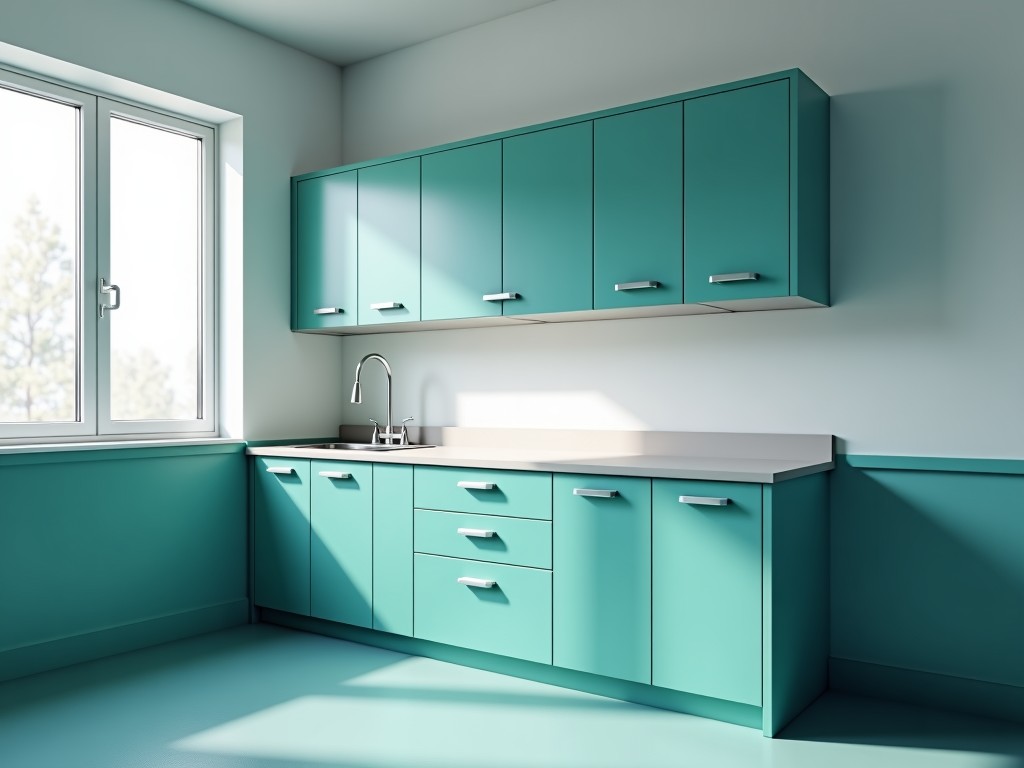
In healthcare facilities, nurse stations serve as central hubs for clinical workflow, patient coordination, and staff communication. The cabinetry within these stations must withstand continuous use, support infection control protocols, and integrate seamlessly with medical equipment, work surfaces, and technology interfaces. Selecting the right OEM nurse station cabinet involves evaluating material durability, hygiene performance, ergonomic design, and compatibility with facility-specific layouts and electrical/data infrastructure.
Engineering Perspective: Designing for Clinical Demands
Unlike standard office or residential cabinetry, nurse station cabinets operate in environments requiring frequent cleaning with disinfectants, exposure to moisture, and potential impact from carts or equipment. Design considerations include sealed joints to prevent fluid ingress, smooth, non-porous surfaces that resist microbial growth, and edge detailing that minimizes snag points for clothing or tubing. Structural integrity must support dynamic loads from monitors, medication systems, and leaning forces during extended shifts.
Material selection directly influences long-term performance. Common substrates include high-pressure laminate (HPL) over particleboard or MDF, solid surface materials, stainless steel, and marine-grade plywood with certified finishes. Each option presents trade-offs in chemical resistance, weight, repairability, and cost. For example, HPL offers good scratch resistance and design flexibility but requires proper edge banding to prevent delamination; stainless steel provides superior durability and cleanability but may feel cold to the touch and show fingerprints without brushed finishes.
Material Selection and Performance Characteristics
The substrate and surface finish determine how the cabinet responds to daily stressors. Facilities prioritizing infection control often specify non-porous materials like solid surface or stainless steel with seamless construction. In budget-conscious projects, HPL with PVC or ABS edge banding remains prevalent, provided edge sealing meets healthcare-grade standards. Backer materials must resist swelling in humid zones near sinks or beverage stations.
Hardware components—hinges, drawer slides, pulls—must also meet clinical demands. Full-extension, soft-close slides with stainless steel bearings support frequent access to supplies. Antimicrobial-coated handles or touchless activation options reduce cross-contamination risks. Load ratings for shelves and drawers should exceed 50 lbs per square foot to accommodate dense storage of charts, devices, and kits.
Typical Specifications
| Specification | Typical Range / Options |
|---|---|
| Overall Height | 30–42 in (adjustable base available) |
| Depth | 24–30 in (standard), 20–22 in (compact) |
| Substrate | Particleboard, MDF, plywood, or solid core |
| Surface Finish | HPL, solid surface, stainless steel, melamine |
| Edge Treatment | PVC, ABS, laser-edged, or post-formed |
| Load Capacity (Shelf) | 50–75 lbs/ft² (static) |
| Drawer Slide Type | Full-extension, soft-close, stainless steel bearing |
| Standard Configuration | Base cabinets, wall units, knee-space modules, tech integrations |
Application Scenarios in Healthcare Environments
Nurse station cabinets are configured to support zone-specific workflows. In emergency departments, cabinets may feature reinforced tops for trauma kit storage and integrated sharps disposal. In outpatient clinics, lower profiles and open shelving improve visibility and access to frequently used supplies. Critical care units often require locked narcotics storage with audit trail compatibility and isolated clean/supply zones.
Integration with technology is increasingly important. Modern designs include grommets for power/data routing, monitor mounts, CPU holders, and cable management systems that comply with IEC 60601-1 standards for medical electrical equipment. Clearance for rolling workstations or wall-mounted terminals must be verified during layout planning.
OEM & Customization Services
As an OEM supplier, we collaborate with healthcare furniture manufacturers, architectural firms, and facility planners to develop cabinets that match exact dimensional, functional, and aesthetic requirements. Customization options include non-standard dimensions, specialized hardware, cutouts for equipment, and finish matching to interior design schemes. Tooling adjustments are evaluated based on annual volume to balance setup costs with unit pricing.
Design input is accepted in CAD (DWG, DXF, STEP) or PDF formats. Our engineering team reviews submissions for manufacturability, material suitability, and compliance with healthcare guidelines such as FGI Guidelines or CDC environmental cleaning recommendations. Prototyping is available for validation before full production.
Packaging, Logistics, and Installation
Cabinets are shipped knocked down (KD) or pre-assembled based on destination handling capabilities and installation timelines. KD units use flat-pack design with labeled cam locks, confirming screws, and alignment pins to simplify field assembly. Each package includes installation hardware, shims, and illustrated instructions. Edge protectors and corner guards minimize damage during transit.
For international shipments, packaging meets ISPM 15 standards for wood materials and includes moisture barriers where climate control cannot be guaranteed. Delivery lead times typically range from 4–8 weeks after design approval, depending on material availability and order volume. Expedited options are available for urgent projects.
Quality Control and Consistency
Every production batch undergoes incoming material inspection, in-process checks, and final audits. Surface finish uniformity, edge adhesion, square tolerance, and hardware functionality are verified using standardized procedures. Dimensional accuracy is maintained within ±1.5 mm for critical interfaces. We maintain traceability from raw material to shipment to support warranty claims and continuous improvement.
Our approach emphasizes process control over end-of-line testing. By monitoring variables such as adhesive cure time, edge banding temperature, and panel squareness during machining, we reduce variability and ensure that each cabinet meets the performance expectations of healthcare environments where reliability directly impacts staff efficiency and patient safety.
Discuss your project requirements with our engineering team. Share your drawings, specifications, or facility plans for a customized proposal tailored to your nurse station design.