Oem Medical Storage Cabinet
Oem Medical Storage Cabinet
OEM Medical Storage Cabinet: Engineering Considerations for Healthcare Environments
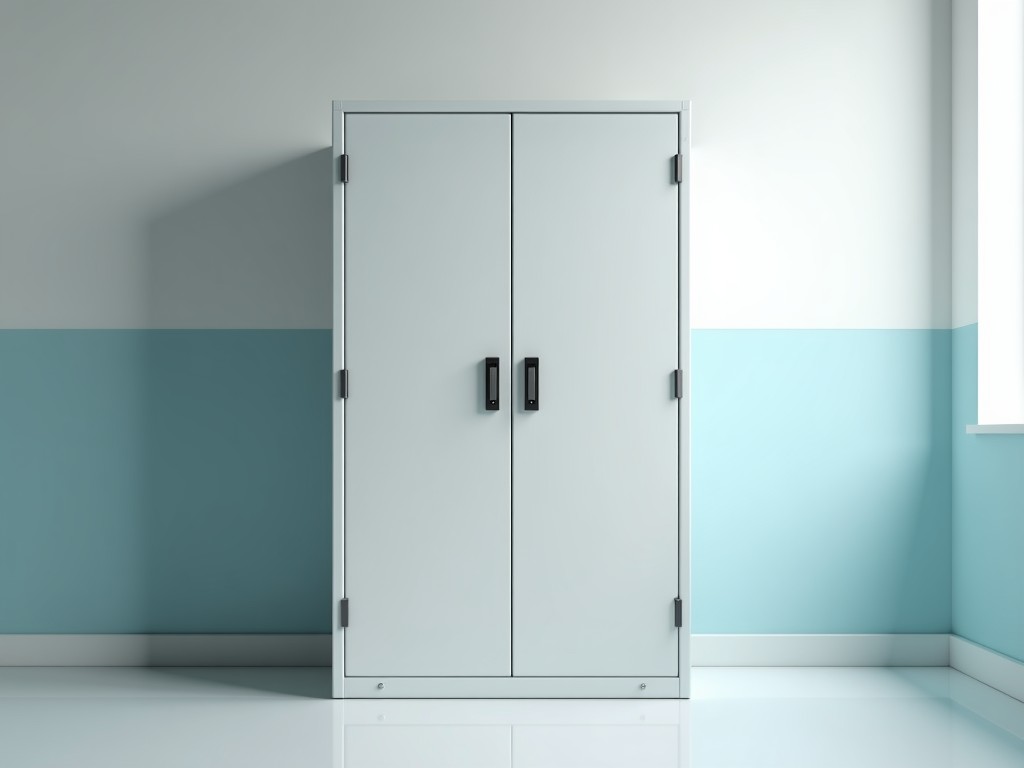
Medical storage solutions in clinical settings must balance sterility, accessibility, and durability while adhering to strict regulatory frameworks. Engineers specifying these systems often face challenges related to material compatibility with cleaning agents, load distribution under frequent use, and integration into existing workflows. An OEM medical storage cabinet is not merely a container—it is a critical infrastructure component designed to support infection control, operational efficiency, and long-term reliability in hospitals, laboratories, and ambulatory care facilities.
Material Selection for Hygienic and Chemical-Resistant Performance
The choice of material directly impacts a cabinet’s ability to withstand repeated disinfection cycles without degradation. Common options include electropolished stainless steel (grades 304 or 316L), high-pressure laminate (HPL) over engineered wood cores, and antimicrobial-coated aluminum alloys. Stainless steel 316L offers superior resistance to chlorides and peroxides found in hospital-grade cleaners, while 304 provides adequate protection for less aggressive environments. HPL surfaces provide a non-porous barrier that resists moisture ingress and supports seamless edge bonding, reducing crevices where contaminants can accumulate. Antimicrobial treatments on aluminum or steel surfaces inhibit microbial growth between cleaning cycles, though they do not replace routine disinfection protocols.
Structural Design and Load Distribution Principles
Medical storage cabinets are subjected to dynamic loads from sliding drawers, hinged doors, and internal equipment such as monitors or infusion pumps. Design engineers calculate deflection limits based on material thickness, reinforcement strategies, and hardware selection. For example, a 1.2mm stainless steel drawer side with internal gussets can support 40–50 kg uniformly distributed load with less than 2mm deflection—critical when storing heavy diagnostic devices. Hinge selection (e.g., full-mortise, concealed, or pivot types) affects both load capacity and door alignment over time. Soft-close mechanisms reduce impact stress on cabinets and contents, extending service life in high-use areas like emergency departments or operating rooms.
Manufacturing Process and Dimensional Consistency
OEM production relies on precision fabrication techniques to ensure repeatability across batches. CNC punching and laser cutting maintain hole placement accuracy within ±0.1mm for mounting hardware and ventilation patterns. Bending operations use calibrated press brakes with angle monitoring to hold tolerances of ±0.5° on flanges and returns, preventing door binding or drawer misalignment. Welding, when required, follows TIG techniques with pulsed current control to minimize heat distortion in thin-gauge stainless steel. Post-fabrication passivation removes free iron and enhances the passive oxide layer, essential for long-term corrosion resistance in humid environments.
Typical Specifications and Configurability
| Parameter | Typical Range / Options |
|---|---|
| Exterior Dimensions (HxWxD) | 600–2100 mm × 400–900 mm × 400–600 mm (customizable) |
| Material Thickness | 0.8–1.5 mm (stainless steel), 16–25 mm (HPL core), 1.0–2.0 mm (aluminum) |
| Load Capacity per Shelf/Drawer | 20–60 kg (depends on material, reinforcement, and suspension type) |
| Door/Drawer Mechanism | Soft-close hinges, full-extension slides, push-to-open, lockable latches |
| Surface Finish | #4 brushed stainless, antimicrobial powder coat, HPL with seamless edges |
| Ingress Protection (IP) Rating | IP44 standard (optional upgrade to IP54 for wash-down areas) |
| Compliance Reference | ISO 14644-1 (cleanroom), IEC 60601-1 (medical electrical equipment proximity), FDA 21 CFR Part 11 (data integrity if integrated) |
Customization Options for OEM Integration
OEM buyers frequently require modifications to align with specific equipment footprints, electrical access, or workflow sequencing. Common customizations include:
- Cutouts for power/data conduits, gas tubing, or monitor arms
- Integrated lighting (LED strips with motion sensors, IEC 62471 compliant)
- Modular interlocking systems for scalable wall-mounted or floor-standing configurations
- Specialized interiors: adjustable dividers, tilt bins, cassette holders, or temperature-controlled zones
- Locking mechanisms: electronic keypads, RFID readers, or mechanical keys with audit trail capability
- Ventilation solutions: passive grilles or low-noise fans for heat-generating equipment storage
These adaptations are engineered during the design phase, with tooling adjustments made only after design validation. Prototyping typically involves 3D-printed mockups or CNC-machined samples to verify fit, function, and ergonomics before full-scale production.
Quality Control and Validation Protocols
Each unit undergoes dimensional inspection using coordinate measuring machines (CMM) or optical comparators to validate critical interfaces. Finish adhesion is tested via cross-hatch and tape methods per ASTM D3359. Load testing applies 125% of rated capacity for 24 hours to detect creep or deformation. For cabinets intended in sterile processing areas, finish resistance to accelerated disinfectant exposure (e.g., 1000 cycles with 0.5% sodium hypochlorite or 70% isopropyl alcohol) is evaluated per internal protocols aligned with ASTM E2149. Documentation includes material certificates, process records, and inspection reports available upon request.
Packaging and Logistics for Damage Prevention
Given the precision surfaces and tight tolerances involved, packaging is designed to prevent transit damage. Cabinets are wrapped in polyethylene film, then placed in double-wall corrugated cartons with corner protectors and edge foam. Internal bracing prevents racking during handling. For international shipments, ISPM-15 compliant wooden crates or reusable metal frames are available. Each package includes shock indicators and tilt sensors to monitor handling quality. Delivery lead times typically range from 4–8 weeks for standard configurations, extending to 10–12 weeks for highly customized units requiring new tooling or material sourcing.
Installation and Maintenance Guidelines
Proper installation ensures long-term performance. Cabinets should be mounted to structural walls or floors using certified fasteners, with shims used to correct for substrate unevenness. Electrical integration, if applicable, must follow local codes and be performed by licensed technicians. Maintenance involves routine cleaning with pH-neutral detergents followed by approved disinfectants—abrasive pads or chlorine concentrations above 1000 ppm should be avoided on stainless steel to prevent pitting. Moving parts (hinges, slides) benefit from annual lubrication with food-grade silicone-based compounds. Load distribution should be reviewed periodically, especially after reconfiguration of internal storage.
Discuss your project requirements with our engineering team.