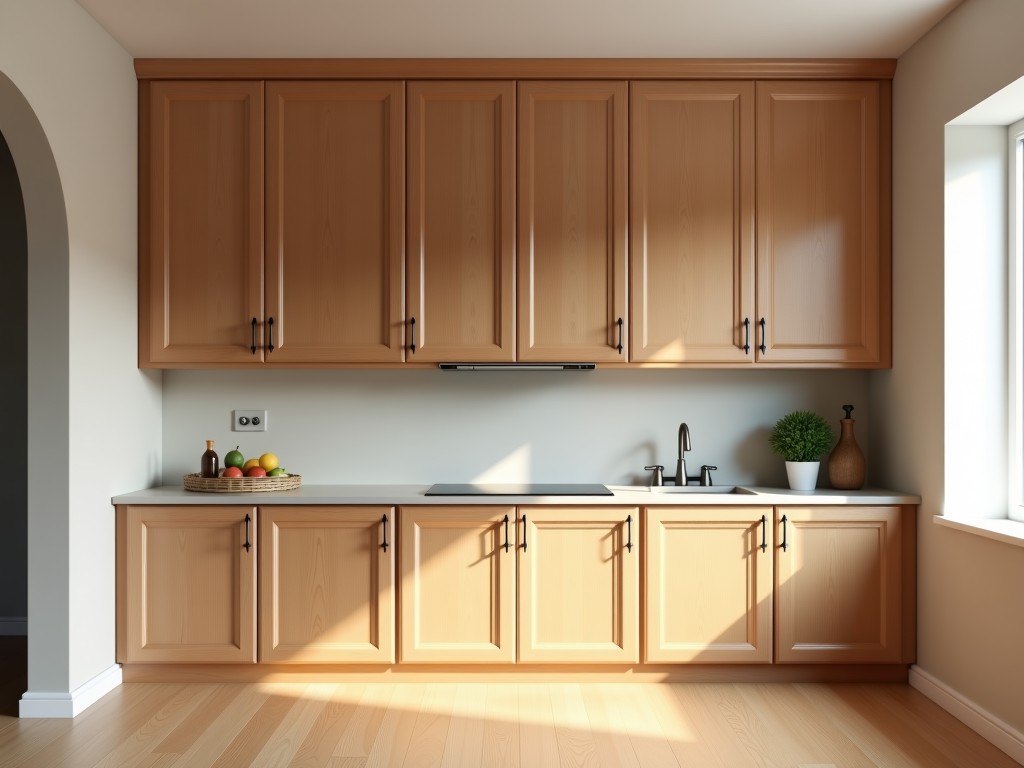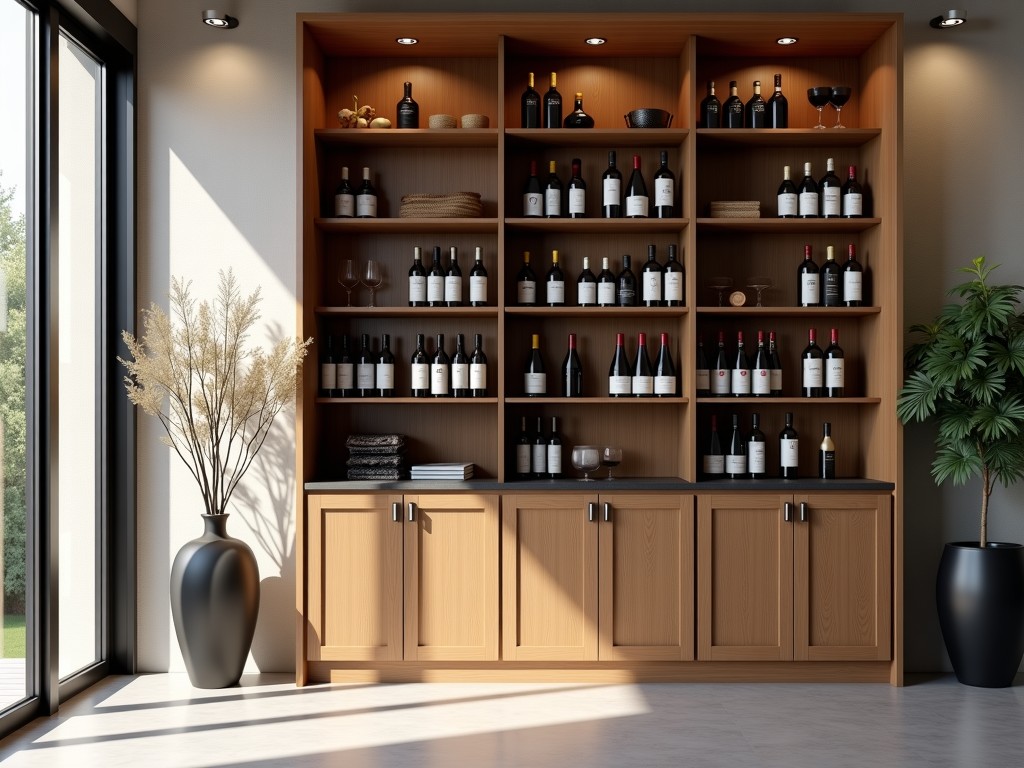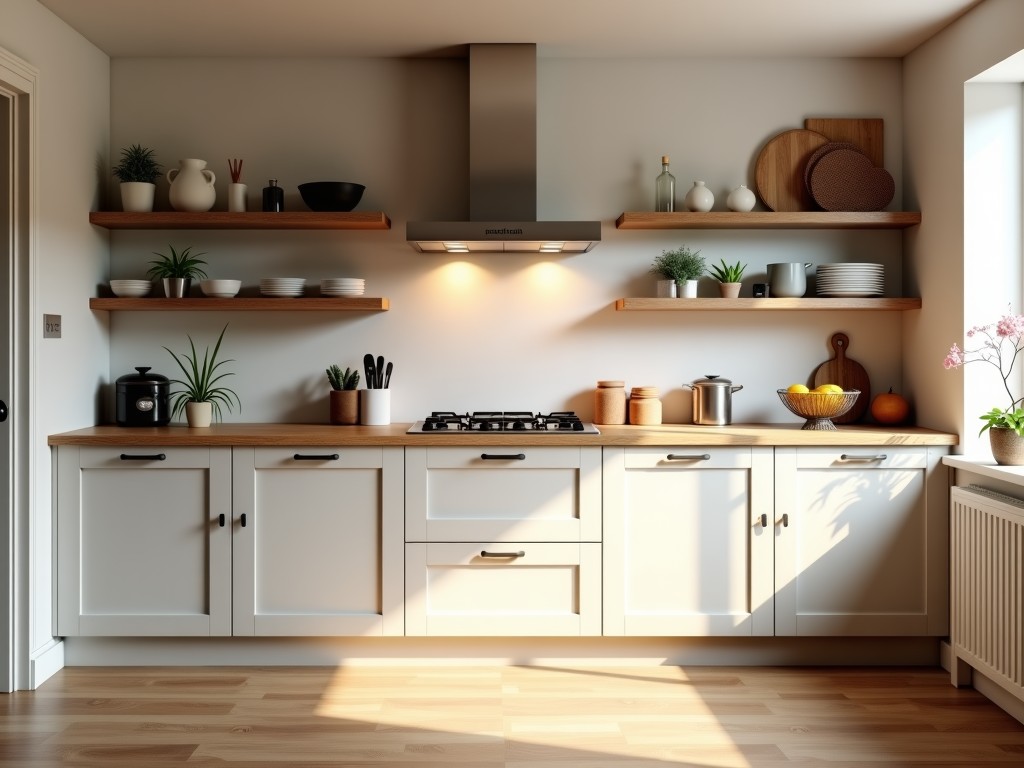
OEM Making Built In Cabinets
OEM Making Built In Cabinets
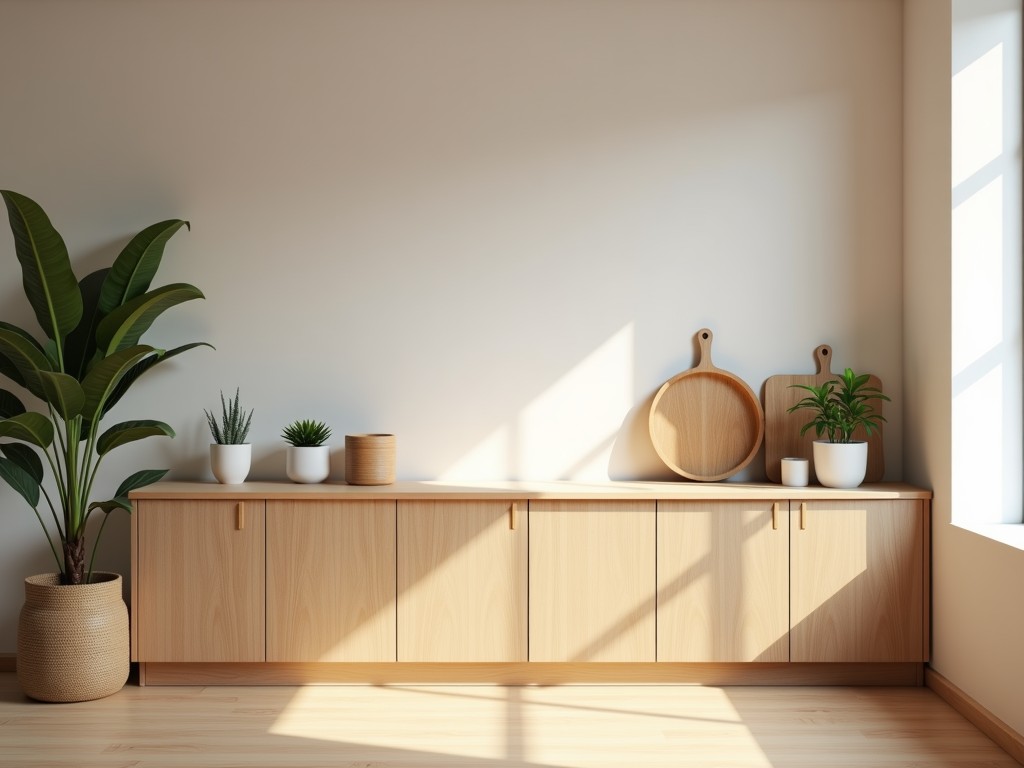
Making Built-In Cabinets: Engineering Considerations for Industrial and Commercial Applications
Built-in cabinets are integral to the functionality, durability, and ergonomics of industrial workspaces, laboratory environments, medical facilities, and transportation interiors. Unlike freestanding units, built-in cabinets are designed as permanent architectural elements, requiring precise integration with structural walls, floors, and ceilings. Their performance depends on material selection, joinery methods, environmental resistance, and dimensional stability — factors that directly impact lifecycle cost and operational reliability.
Industry Challenges in Built-In Cabinet Design
Industrial buyers face consistent challenges when specifying built-in cabinets: ensuring long-term dimensional stability in fluctuating humidity, resisting chemical exposure in laboratories or food processing, maintaining load-bearing integrity under repeated use, and achieving seamless integration with surrounding finishes. Off-the-shelf solutions often fail to meet these requirements due to standardized depths, inadequate anchoring systems, or materials unsuitable for the operating environment. The result is premature failure, costly rework, or compromised workflow efficiency.
Material Selection: Balancing Performance and Environment
Material choice is the first critical decision in built-in cabinet engineering. Particleboard with melamine facing is common in dry office environments but swells irreversibly when exposed to moisture. Medium-density fiberboard (MDF) offers superior machinability and edge stability but requires edge sealing to prevent water ingress. For high-moisture or chemical environments, marine-grade plywood or moisture-resistant MR board with PVC or laminate edging provides better resistance. In sterile or cleanroom applications, stainless steel or high-pressure laminate (HPL) over aluminum core panels may be specified for non-porous, cleanable surfaces.
Each material behaves differently under load, temperature cycling, and adhesive bonding. For example, MDF’s uniform density allows for consistent screw holding power but lacks the tensile strength of plywood in cantilevered designs. Understanding these trade-offs prevents over-specification or premature failure in demanding applications.
Manufacturing Process and Joinery Integrity
The manufacturing process directly affects the long-term reliability of built-in cabinets. Panel cutting accuracy, typically within ±0.5 mm for CNC-routed panels, influences alignment during installation and stress distribution across joints. Joinery methods — such as cam locks, confirmat screws, dowels, or dados — must be selected based on material thickness, expected load, and disassembly requirements. In high-vibration environments like transportation or industrial machinery, mechanical fasteners combined with structural adhesives provide superior resistance to joint creep compared to cam-only systems.
Edge treatment is equally important. Unsealed edges on absorbent substrates like MDF or particleboard are points of moisture ingress, leading to delamination or fungal growth. Edge banding with PVC, ABS, or wood veneer, applied via hot-melt or laser bonding, creates a durable barrier. Laser edge banding, in particular, eliminates visible glue lines and improves resistance to peeling under thermal cycling.
Dimensional Stability and Installation Tolerances
Built-in cabinets must accommodate substrate irregularities while maintaining functional clearances for doors, drawers, and hardware. Typical installation tolerances allow for ±2 mm adjustment in vertical alignment and ±1.5 mm in horizontal positioning to accommodate wall plumbness and floor level variations. This is achieved through adjustable hanging rails, shim-compatible brackets, or slotted mounting holes in the cabinet carcass.
Ignoring these tolerances during design leads to binding doors, uneven reveals, or gaps that compromise both aesthetics and dust/moisture resistance. Engineers must specify adjustable hardware and provide clear installation guidelines to field teams to ensure proper fit without forcing components into misalignment.
Typical Specifications for Industrial Built-In Cabinets
| Parameter | Typical Range / Value | Notes |
|---|---|---|
| Panel Thickness | 16 mm, 18 mm, 25 mm | Selected based on span and load; 18 mm standard for most carcass panels |
| Door Overlay | Full overlay, half overlay, inset | Affects reveal consistency and hardware selection |
| Shelf Load Capacity | 20–40 kg/m² (UDL) | Depends on material, thickness, and support spacing; reinforced with vertical dividers or metal brackets |
| Edge Banding Thickness | 0.5–2.0 mm | PVC, ABS, or wood veneer; laser or hot-melt applied |
| Adjustment Range (Vertical) | ±2 mm | Via cam screws or slot-mounted hanging brackets |
| Finish Options | Melamine, HPL, veneer, paint, stainless steel | Selected based on abrasion, chemical, and cleanability requirements |
Application Scenarios and Environmental Considerations
In laboratories, built-in cabinets must resist exposure to solvents, acids, and frequent cleaning with disinfectants. Here, HPL or stainless steel interiors with welded seams and coved corners prevent contaminant traps and allow for effective decontamination. In food processing facilities, cabinets are specified with smooth, non-porous surfaces and sealed joints to comply with hygiene standards such as FDA or EU GMP.
In industrial workshops or tool cribs, load capacity and impact resistance take precedence. Reinforced frames, steel-backed shelves, and heavy-duty drawer slides (rated for 45–50 kg dynamic load) ensure durability under daily use. For transportation interiors — such as ambulances or mobile command units — vibration resistance and lightweight construction are critical, often leading to the use of aluminum composite panels or laminated plywood with mechanical fasteners designed to withstand cyclic loading.
Each application imposes unique constraints on material behavior, joining methods, and finish durability. Addressing these during design prevents field failures and ensures the cabinet performs as an integrated part of the built environment.
Customization and OEM Considerations
True built-in solutions are rarely off-the-shelf. Customization begins with precise site measurements and continues through material selection, hardware specification, finish matching, and integration with electrical or data conduits. OEM buyers often require cabinets that match specific wall curves, accommodate irregular penetrations for piping or ductwork, or align with modular wall systems.
Engineering teams evaluate customization requests based on tooling implications, minimum effective batch sizes, and impact on lead time. For example, altering panel depth may require reprogramming CNC nests but does not typically change tooling, whereas changing edge banding material or adding laser etching affects processing steps. Clear documentation of tolerances, material certifications, and assembly instructions supports seamless handoff to installation contractors.
Packaging, Logistics, and Damage Prevention
Built-in cabinets are vulnerable to edge and corner damage during transit, especially when shipped flat-pack or semi-assembled. Protective packaging includes corner protectors, edge foam, and horizontal strapping within crush-resistant cartons or crates. For large units, frame-and-panel packaging with internal bracing minimizes racking. Humidity indicators and desiccant packs are included for shipments to high-moisture climates to prevent substrate swelling during storage.
Upon receipt, visual inspection should focus on edge integrity, surface finish uniformity, and hardware completeness. Any signs of delamination, chipping, or warping must be documented before installation to avoid disputes over damage responsibility. Proper handling procedures — such as lifting from the base and avoiding point loads on thin panels — are essential to maintain dimensional accuracy.
Quality Control and Long-Term Performance
Quality control begins at material receipt, with checks for moisture content, formaldehyde emissions (for composite panels), and dimensional accuracy. In-process inspections verify panel squareness, edge band adhesion strength, and hardware hole alignment. Final assembly includes functional testing of doors and drawers for alignment, smooth operation, and load retention under specified weights.
Long-term performance is influenced by environmental control, maintenance practices, and initial installation quality. Cabinets in climate-controlled environments with proper hardware adjustment can exceed 15–20 years of service life. In harsh conditions, selecting appropriate materials and edge treatments from the outset reduces the likelihood of premature degradation. Regular inspection of hinges, slides, and sealing points extends usability and prevents minor issues from becoming structural concerns.
Selection Guide for Procurement and Engineering Teams
Selecting the right built-in cabinet solution requires aligning technical specifications with operational demands. Begin by defining the environmental exposure: humidity levels, chemical contact, temperature range, and cleaning protocols. Next, assess load requirements — both static and dynamic — for shelves, drawers, and door hardware. Then, evaluate integration needs: wall clearance, service penetrations, and finish matching with adjacent architectural elements.
Engage suppliers early to confirm material availability, customization capabilities, and lead times. Request samples of edge banding, surface finishes, and hardware to verify compatibility with your application. Avoid specifying based on catalog images alone; instead, rely on material data sheets, test reports, and documented performance in similar installations. A well-specified built-in cabinet is not merely a storage unit — it is a engineered component that contributes to safety, efficiency, and long-term value.