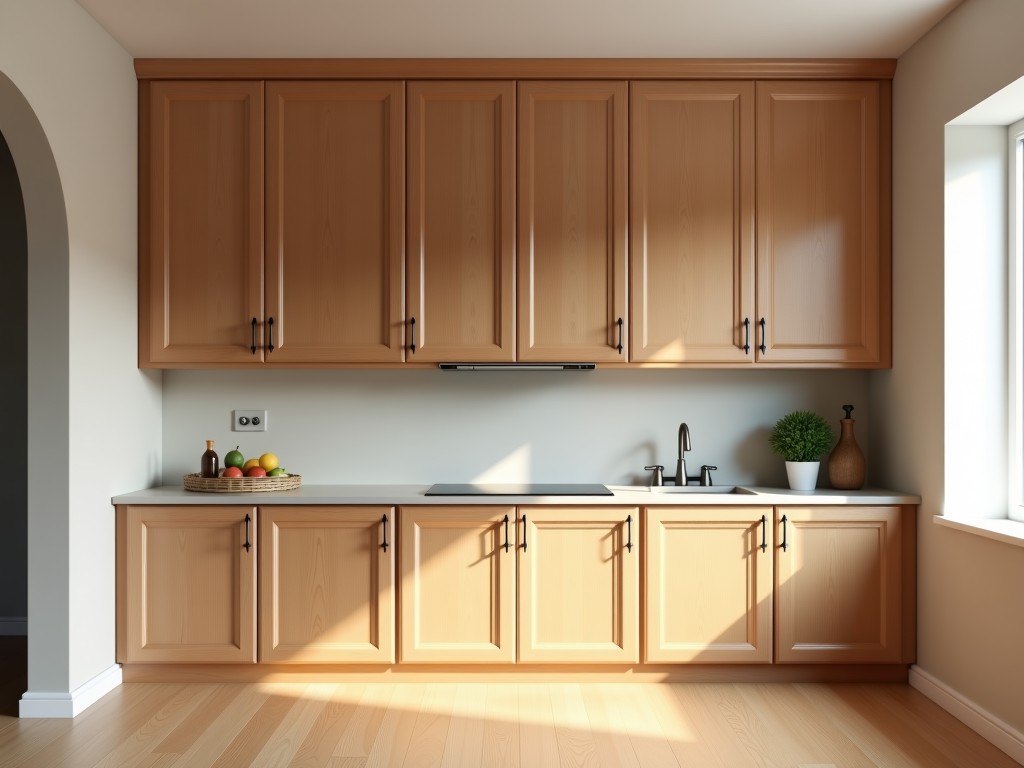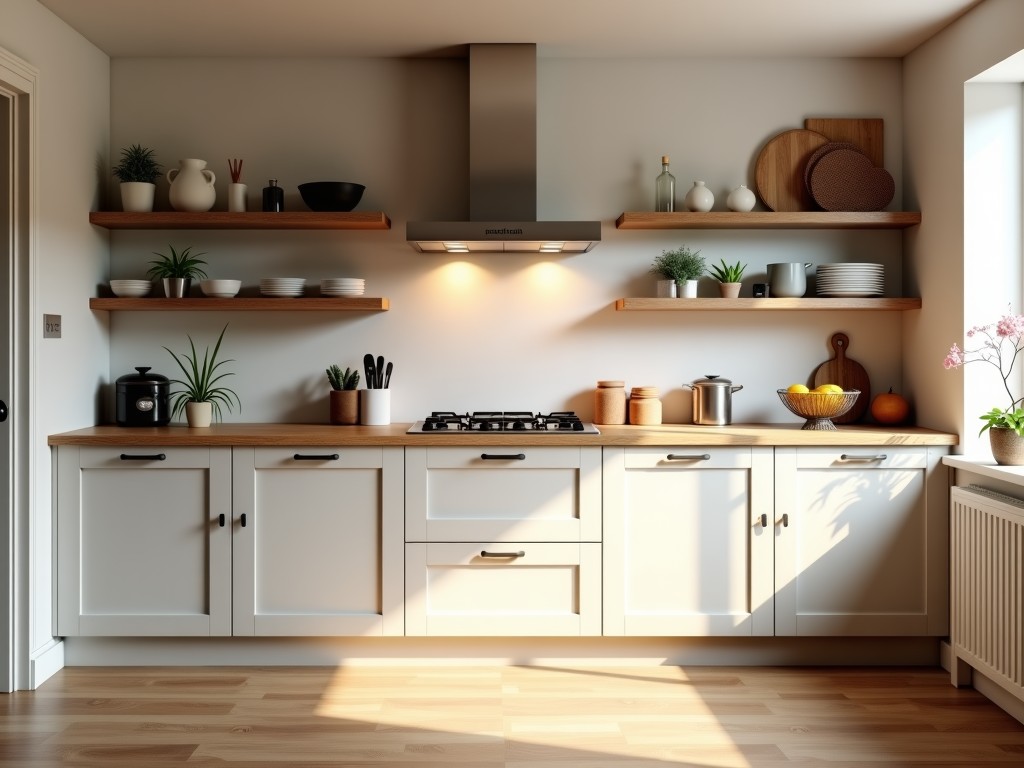
Oem Kitchen Cabinets Pre Made
Oem Kitchen Cabinets Pre Made
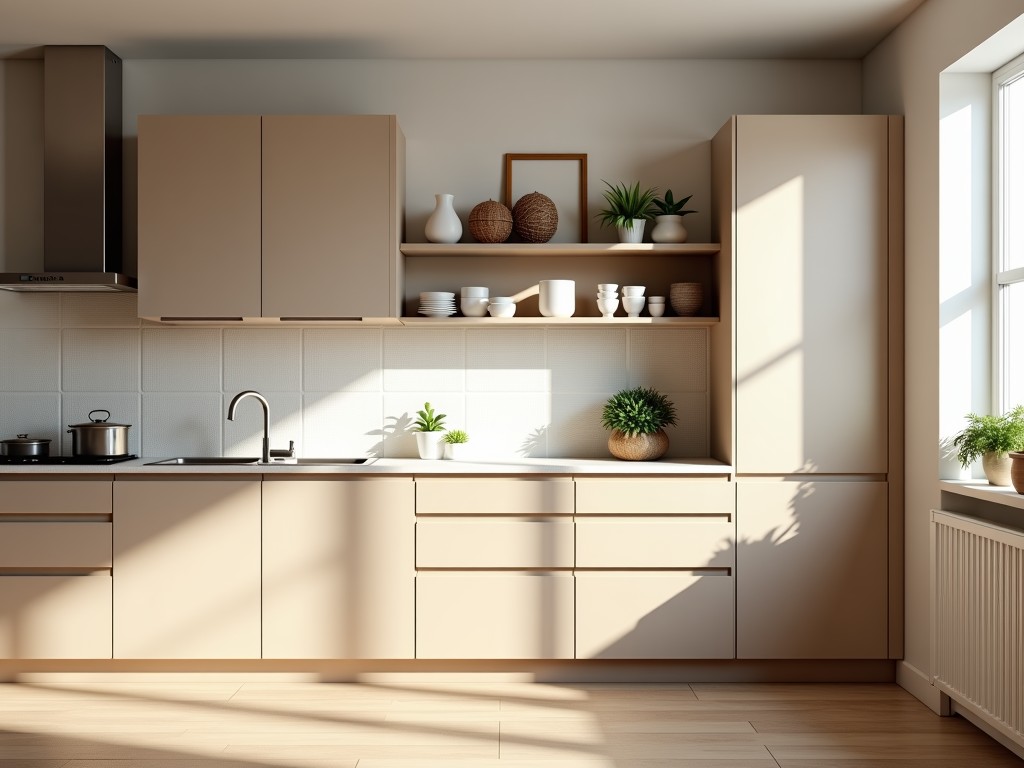
OEM Kitchen Cabinets Pre Made
For manufacturers integrating cabinetry into residential or light commercial projects, pre-made OEM kitchen cabinets reduce on-site labor, minimize dimensional variability, and support just-in-time delivery. These units are produced in controlled factory environments using standardized processes to ensure repeatable fit, finish, and structural performance across production batches.
Industry Challenge: Balancing Speed and Precision in Cabinet Supply
Project timelines often compress during peak construction seasons, increasing pressure on suppliers to deliver cabinetry that installs without rework. Variations in wall squareness, floor level, or adjacent trade work can expose inconsistencies in cabinet dimensions, leading to gaps, misaligned doors, or delayed handover. Pre-made OEM cabinets address this by shifting variability control to the factory, where CNC cutting, edge banding, and assembly jigs maintain tight tolerances on critical interfaces.
Material Selection: Engineered Wood Substrates for Stability
Cabinet boxes are typically constructed from moisture-resistant particleboard or MDF with a density of 600–750 kg/m³, selected for dimensional stability under fluctuating humidity. Faces and doors may use laminate, veneer, or painted finishes over the same substrate, with edge banding applied via hot-melt adhesive to seal exposed edges against moisture ingress. The choice of substrate influences screw holding strength, typically 8–12 N/mm withdrawal resistance in face grain, and affects long-term sag resistance in shelving spans exceeding 600 mm.
Manufacturing Process: From Panel to Unitized Cabinet
Production begins with nested CNC cutting of panels to optimize material yield and ensure repeatable hole placement for hinges, slides, and mounting brackets. Edge banding is applied automatically, followed by drilling and insertion of hardware using multi-spindle units. Cabinets are assembled using cam locks, confirmit fasteners, or glue-and-dowel systems, then squared in assembly fixtures before packaging. Finish application—whether laminate lamination, UV coating, or spray painting—occurs prior to final assembly to avoid surface damage.
Performance Advantages: Repeatability and Install Efficiency
Factory-controlled processes reduce dimensional variation in cabinet width, height, and depth to typically ±1.5 mm, compared to ±3–5 mm common in shop-built units. This consistency allows installers to rely on standard shimming techniques and minimizes the need for scribing or trimming. Pre-drilled mounting rails and standardized hanger systems enable single-person wall cabinet installation in under 8 minutes per unit, based on typical field observations.
Typical Specifications
| Parameter | Typical Range |
|---|---|
| Cabinet Box Thickness | 16–19 mm |
| Door Thickness | 18–22 mm |
| Shelf Load Capacity | Up to 25 kg/m² (uniformly distributed) |
| Hinge Bore Pattern | 35 mm cup, 45 mm or 52 mm mounting plate |
| Standard Depth (Base) | 560 mm (exclusive of door) |
| Standard Height (Wall) | 720 mm |
| Finish Options | Melamine, PVC laminate, wood veneer, polyurethane paint |
Application Scenarios: Where Pre-Made Cabinets Add Value
In multi-unit residential developments, pre-made cabinets allow parallel workstreams—framing and rough-in proceed while cabinetry is fabricated off-site. For renovation contractors, they reduce on-site cutting and dust, improving indoor air quality and shortening disruption periods. In modular or prefabricated housing, cabinets are designed to align with structural modules, enabling plug-and-play installation during final assembly. Distributors serving regional builders benefit from standardized SKUs that simplify inventory forecasting and reduce handling damage.
OEM & ODM Service: Tailoring to Project Requirements
While standard configurations cover common layouts, OEM services allow adjustments to cabinet height, depth, or interior accessories to match specific appliance suites or accessibility needs. Design files in DXF or PDF format are reviewed for manufacturability, with feedback on panel splitting, hardware placement, and edge treatment. Tooling adjustments for non-standard profiles may involve new edge banding radii or drilling templates, typically requiring a pilot run to validate fit and function before full release.
Packaging and Logistics: Protecting Finish and Flatness
Cabinets are wrapped in polyethylene film, then placed in die-cut cardboard sleeves with corner protectors to prevent edge chipping. Flat-packed units include pre-installed mounting hardware and cam locks in sealed bags, with assembly instructions printed on moisture-resistant paper. For export, cartons are stacked on pallets with top and bottom cardboard layers, stretch-wrapped, and secured with polyester straps. Typical container loading allows 60–80 base cabinets or 90–120 wall units per 40’HQ, depending on depth and packaging efficiency.
Installation and Maintenance: Field Performance
Wall cabinets are secured using steel rails screwed into studs, with load transfer tested to 150 kg per unit when properly installed. Base cabinets rely on level shimming and fastening to adjacent units and walls. Adjustable shelving uses pin-and-hole systems with 32 mm spacing, allowing reconfiguration without tools. Surfaces should be cleaned with pH-neutral detergents; abrasive cleaners or solvents may degrade laminate or paint finishes over time. Hinge tension and drawer alignment should be checked annually in high-use environments.
Quality Control: In-Process and Final Verification
Panel dimensions are verified after CNC cutting using laser gauges; edge banding adhesion is tested via peel resistance (target >1.8 N/mm). Squareness is checked at assembly fixtures using right-angle gauges with 0.5 mm tolerance. Final inspection includes door gap uniformity (target 2 mm ±0.5 mm), drawer slide smoothness, and finish appearance under 500 lux lighting. Random samples undergo cycle testing—20,000 open/close operations for doors and drawers—to validate hardware longevity.
Selection Guide: Matching Cabinet Type to Project Needs
For high-moisture zones like kitchens and bathrooms, select MR (moisture-resistant) substrate with sealed edges and PVC laminate finish. In dry areas such as laundry rooms or home offices, standard particleboard with melamine offers cost efficiency. When matching existing trim or furniture, veneer finishes allow grain alignment and can be top-coated with clear polyurethane for durability. Consider soft-close hinges and dampers for applications where noise reduction is a priority, such as in multi-family units or senior living facilities.
Supply Stability and Lead Time
Raw material sourcing is typically secured through frame agreements with regional board mills, reducing exposure to spot price volatility. Production lead times for standard configurations range from 10–18 business days after drawing approval, assuming material availability. Custom finishes or non-standard hardware may extend this to 20–25 days. Capacity is buffered through parallel lines for cutting, edging, and assembly, allowing rate adjustments based on order flow without disrupting scheduled batches.
Common Mistakes in Specification and Installation
Specifying cabinet depth without accounting for door protrusion can cause interference with countertops or appliances. Overlooking wall stud spacing when planning rail-mounted cabinets may require additional blocking, increasing labor. Failing to allow for floor slope in base cabinet runs results in cumulative gaps at the top of doors. Using incompatible screws—such as drywall fasteners in lieu of structural wood screws—compromises wall cabinet load capacity. Always verify hardware compatibility with the specified substrate thickness before ordering.
Frequently Asked Questions
What file formats are accepted for custom designs?
DXF, DWG, and PDF are preferred for panel layout review. SketchUp or 3D models may be used for visualization but require conversion to 2D cutting files for production.
Can I request samples before placing a bulk order?
Yes, sample doors, panels, or fully assembled units are available upon request. Shipping costs apply, and lead time is typically 5–7 days for standard finishes.
How are cabinets protected against moisture during transit?
Edge sealing, polyethylene wrapping, and desiccant packs in cartons help maintain equilibrium moisture content. Avoid storage in direct sunlight or damp environments prior to installation.
What is the minimum order quantity for OEM customization?
MOQ varies by modification: standard size changes may start at 50 units, while new door profiles or finish systems typically require 200+ units to amortize tooling and setup.
Do you provide installation hardware?
Yes, all cabinets include mounting rails, cam locks, shelf pins, and adjustment screws. Wall anchors and stud-finding tools are not included but are recommended for secure installation.
Share your drawings or specifications for a customized proposal