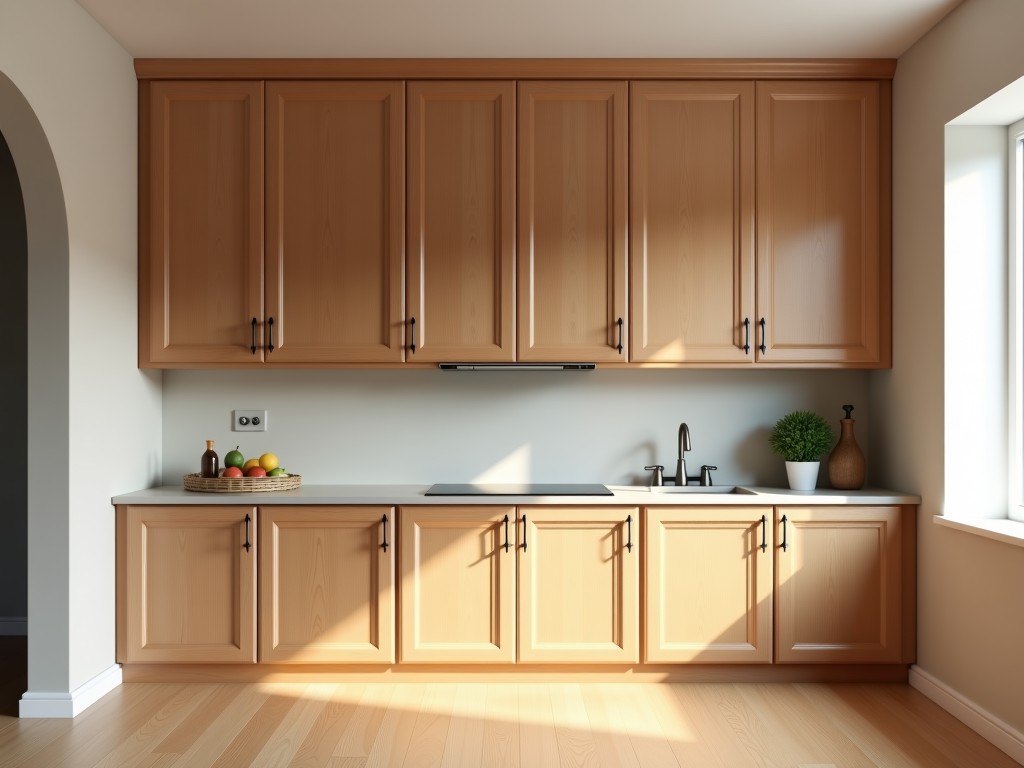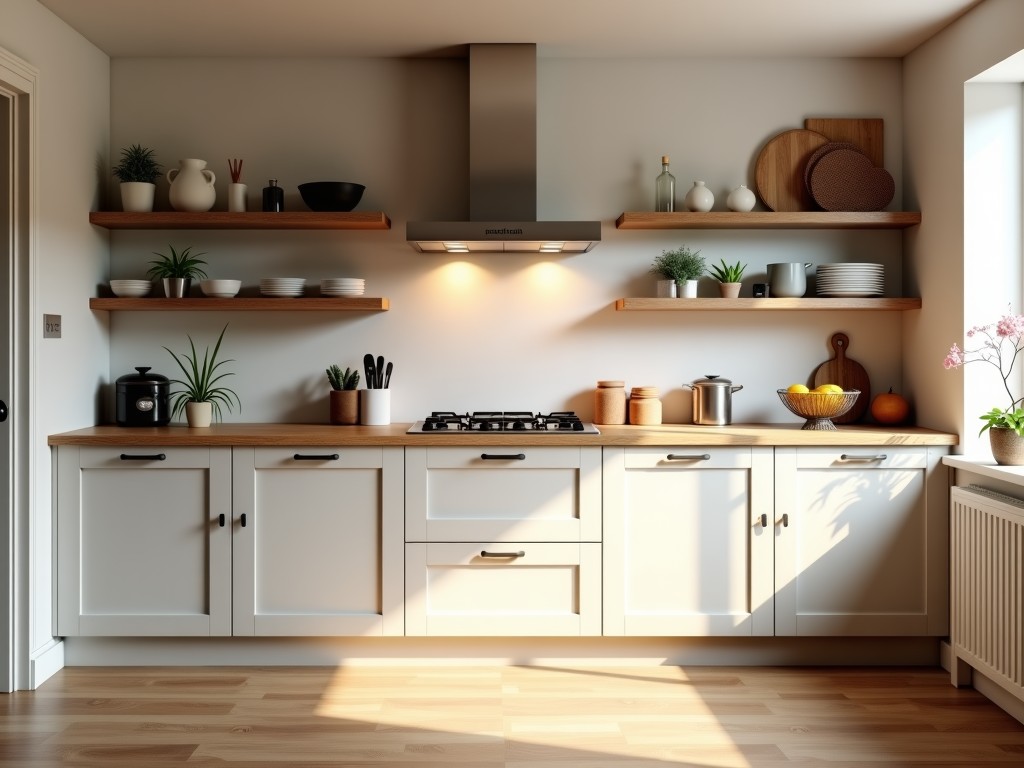
OEM Kitchen Cabinet With Built In Dish Rack
OEM Kitchen Cabinet With Built In Dish Rack
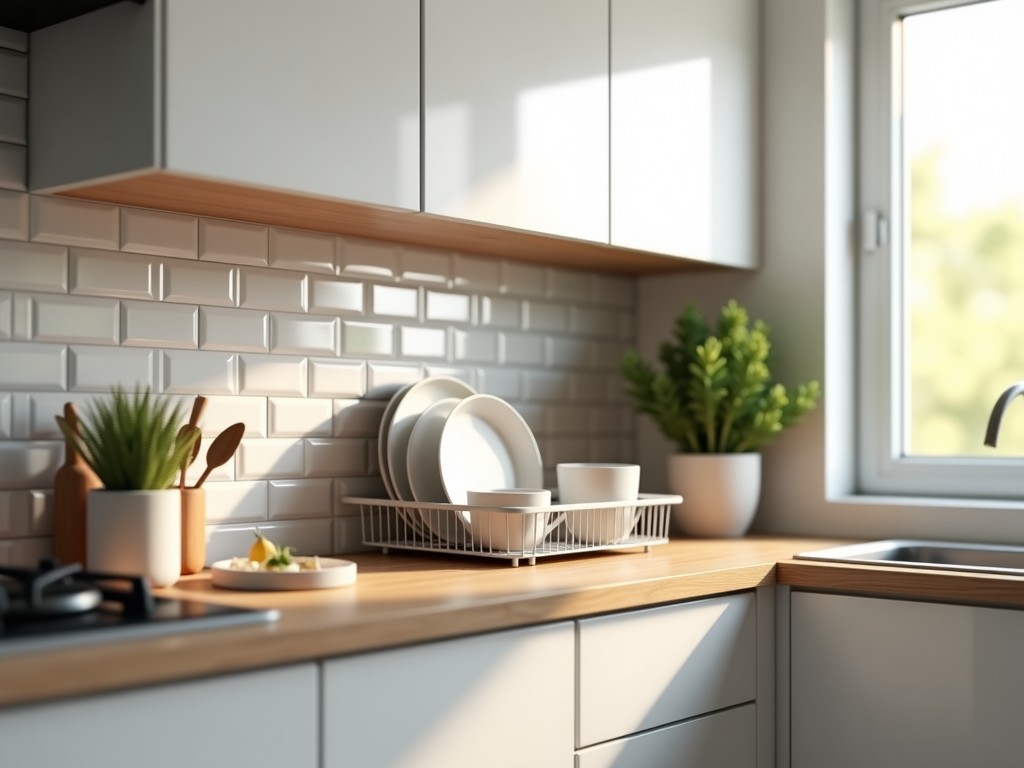
Kitchen Cabinet with Built-in Dish Rack
Integrating a dish rack directly into kitchen cabinetry addresses a common workflow inefficiency in commercial and residential kitchens: the need for dedicated drying space that consumes countertop area and requires separate installation. This solution combines storage and dish drying functions into a single engineered unit, reducing clutter and improving ergonomics during food preparation and cleanup cycles.
Engineering Perspective
The built-in dish rack is not an add-on accessory but a structurally integrated component of the cabinet carcass. Load-bearing considerations are critical: wet dishes, pots, and pans exert dynamic and static loads that must be safely transferred to the cabinet frame and ultimately to the wall or floor mounting system. Design engineers evaluate rack geometry, material stiffness, and fastening methods to prevent sagging or deformation over time, particularly under prolonged exposure to moisture and thermal cycling.
Drainage efficiency is another key design factor. The rack incorporates sloped channels or perforated bases to direct water runoff into a collection trough or directly into the sink, minimizing standing water that could promote microbial growth or damage cabinet interiors. Ventilation is facilitated through open-frame designs or strategically spaced elements to promote air circulation and accelerate drying.
Material Selection
Material choice directly impacts durability, hygiene, and maintenance requirements in wet environments. Common options include:
- Stainless steel (grades 304 or 316) for corrosion resistance, ease of cleaning, and high strength-to-weight ratio; suitable for heavy-duty use in restaurants or institutional kitchens.
- Powder-coated aluminum for lightweight construction and resistance to rust in less aggressive environments; ideal for residential applications where weight reduction is beneficial.
- Engineered polymers (such as polypropylene or ABS) for cost-effective, non-corrosive racks with good impact resistance; often used in modular or retrofit systems.
Cabinet bodies are typically constructed from moisture-resistant substrates like marine-grade plywood, PVC-coated particleboard, or stainless steel, depending on the expected humidity levels and cleaning protocols. Edge sealing and joint construction are critical to prevent water ingress that could compromise structural integrity.
Manufacturing Process
Production involves precision fabrication to ensure dimensional consistency between the cabinet and rack components. For metal racks, CNC laser cutting or stamping creates precise geometries, followed by bending and welding (where applicable) to form load-bearing frames. Surfaces undergo pretreatment and coating processes—such as passivation for stainless steel or powder coating for aluminum—to enhance corrosion resistance.
Cabinet panels are cut to size using CNC routers or panel saws, with edges banded or sealed to resist moisture. Assembly involves mechanical fasteners (screws, cam locks, or confirmat bolts) or adhesives, depending on substrate compatibility and disassembly requirements. Integrated racks are either factory-installed during cabinet assembly or designed as removable modules for flexibility in maintenance or reconfiguration.
Tolerances are maintained within ±0.5 mm for mating surfaces to ensure proper alignment and smooth operation of adjacent doors or drawers. Drainage angles are typically set between 5° and 15° to optimize water flow without requiring excessive rack depth.
Typical Specifications
| Parameter | Typical Range / Option | Notes |
|---|---|---|
| Cabinet Width | 400–900 mm | Standard increments; custom widths available |
| Cabinet Depth | 500–650 mm | Includes rack protrusion; wall clearance required |
| Cabinet Height | 700–900 mm (base); 300–400 mm (wall) | Varies by application and ergonomic standards |
| Rack Material | Stainless steel 304/316, powder-coated aluminum, polypropylene | Selected based on load, environment, and budget |
| Load Capacity (Rack) | 15–30 kg | Evenly distributed; tested per cycle |
| Drainage Slope | 5°–15° | Optimized for gravity-fed water runoff |
| Finish Options | Brushed, polished, powder-coated (RAL colors), laminated | Aesthetic and functional coatings available |
Application Scenarios
In commercial kitchens, integrated dish racks reduce the need for standalone drying units, freeing up valuable floor space and minimizing trip hazards. The seamless integration supports hygiene protocols by eliminating crevices where water and debris can accumulate, simplifying cleaning routines between shifts.
For residential installations, particularly in compact urban kitchens, the solution maximizes utility without sacrificing aesthetics. Homeowners benefit from reduced countertop congestion and a streamlined workflow from washing to drying to storage.
Healthcare and laboratory settings also utilize similar designs for sterilizing equipment drying, where material compatibility with cleaning agents and autoclave resistance are evaluated during selection.
Customization Options
OEM and ODM services allow adaptation to specific project requirements. Customization includes:
- Alternate rack configurations (e.g., vertical plate holders, adjustable tiers, utensil compartments)
- Integration with accessories such as cutting board sinks, soap dispensers, or waste chutes
- Non-standard dimensions to fit unique cabinet layouts or architectural constraints
- Specialized finishes for antimicrobial properties or enhanced chemical resistance
Tooling and setup costs vary with complexity; simple dimensional changes typically incur minimal overhead, while novel geometries or material combinations may require new molds or fixtures. Minimum order quantities are discussed during quotation based on process economics.
Packaging and Logistics
Cabinets are packaged to prevent damage during transit, using corner protectors, edge foam, and shrink-wrapping or corrugated outer layers. Integrated racks are either secured within the cabinet cavity or shipped separately in protective crates to avoid deformation. Flat-pack options are available for volumetric efficiency, with clear assembly instructions and hardware included.
Export packaging complies with ISPM 15 standards for wooden components, and humidity indicators may be included for moisture-sensitive materials. Lead times depend on material availability, finish selection, and production scheduling, typically ranging from 2 to 6 weeks for standard configurations.