Oem Kitchen Built In Cabinets
Oem Kitchen Built In Cabinets
OEM Kitchen Built-In Cabinets
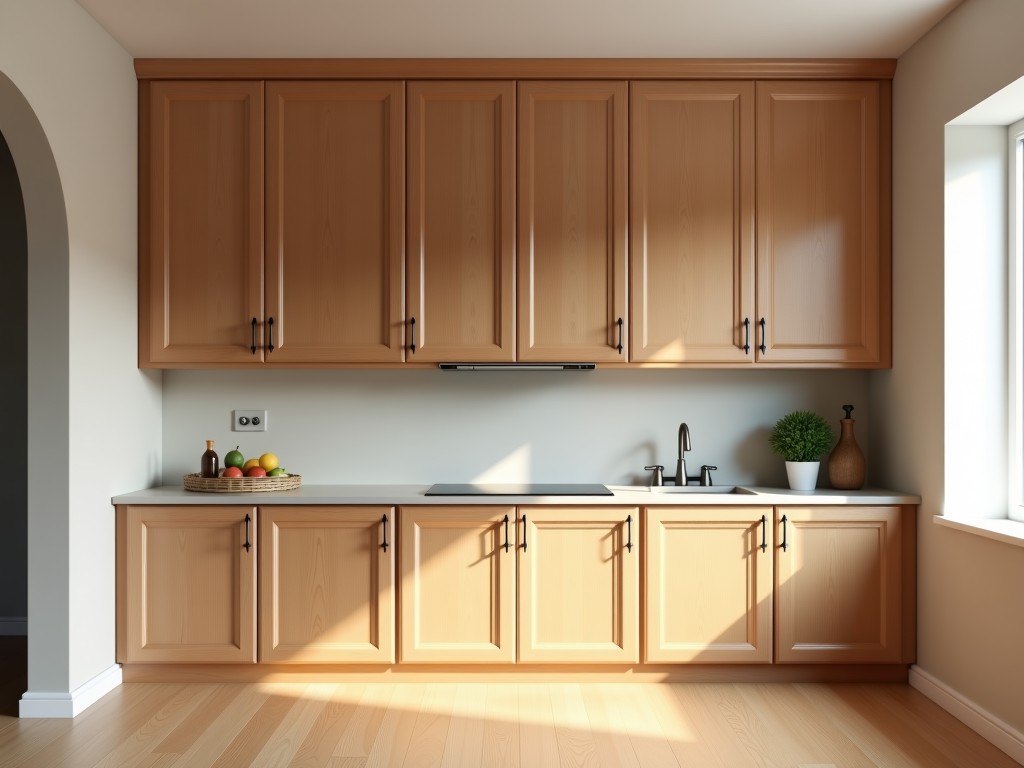
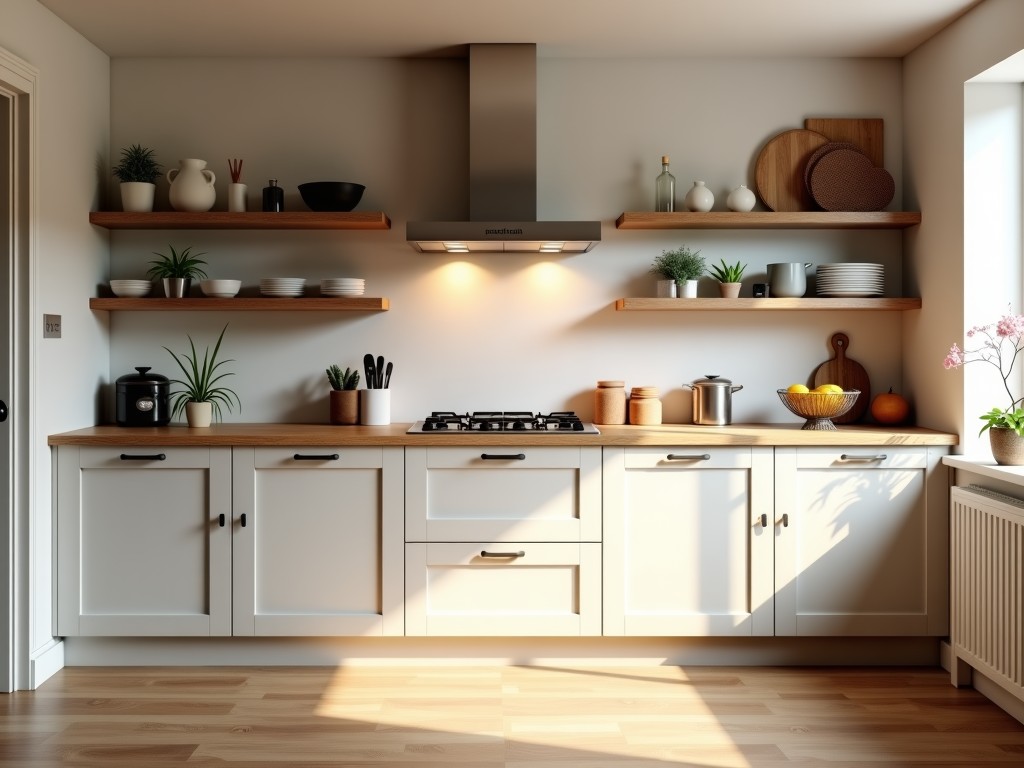
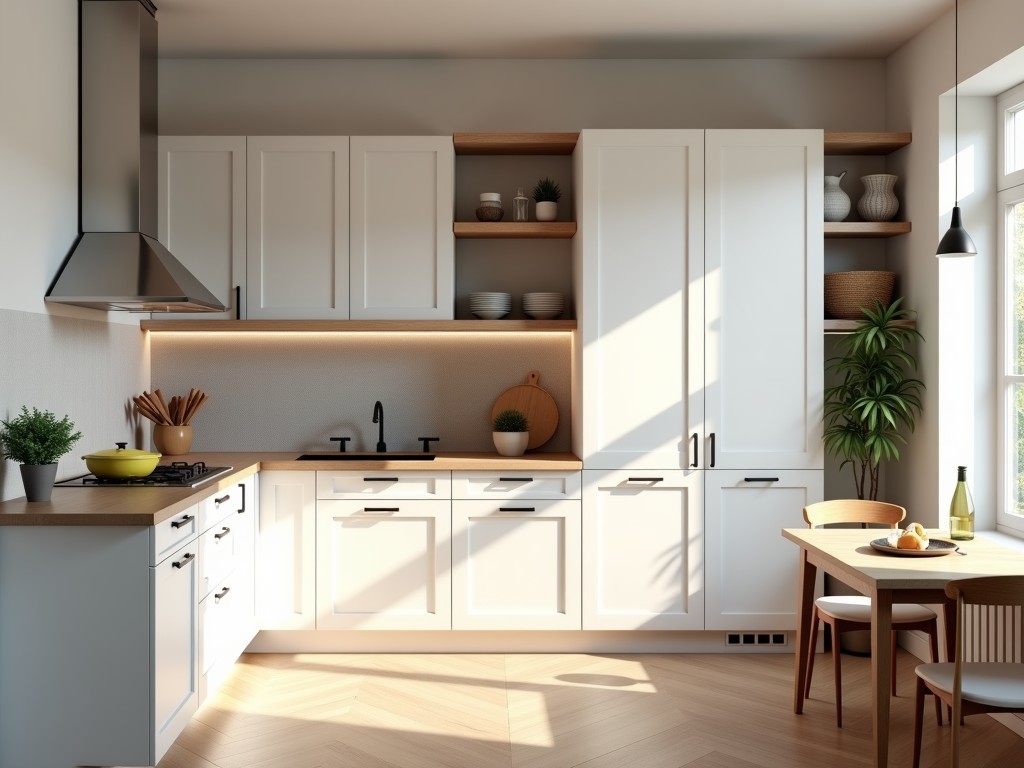
For manufacturers requiring precise integration of storage solutions into residential or commercial kitchen layouts, OEM kitchen built-in cabinets are engineered to meet exact dimensional tolerances, material specifications, and finish requirements dictated by architectural designs and production timelines. These units are not off-the-shelf products but are developed in close collaboration with appliance OEMs, cabinetry brands, and contract furniture producers to ensure seamless fit, structural integrity, and aesthetic consistency across large-scale installations.
Material Selection for Demanding Kitchen Environments
The performance and longevity of built-in cabinets depend heavily on substrate choice, particularly in environments exposed to moisture, temperature variation, and frequent cleaning. Common substrates include moisture-resistant MDF (MR-MDF), particleboard with melamine facing, and plywood cores, each selected based on load-bearing needs, edge stability, and finish compatibility. MR-MDF is often preferred for painted finishes due to its uniform density and minimal telegraphing, while plywood offers superior screw retention and resistance to delamination in humid zones such as under sinks or near dishwashers.
Surface finishes range from low-pressure laminate (LPL) and high-pressure laminate (HPL) to UV-cured acrylic, thermofoil, and water-based paints. HPL provides excellent abrasion and stain resistance, making it suitable for high-traffic commercial kitchens, whereas UV acrylic delivers a high-gloss, seamless appearance with strong chemical resistance — ideal for premium residential applications where aesthetics and ease of cleaning are critical. Edge banding is applied using PVC, ABS, or wood veneer, matched to the substrate and finished to prevent moisture ingress at vulnerable points.
Manufacturing Process and Dimensional Control
Cabinet production begins with CNC cutting of panels to tolerances typically within ±0.5mm, ensuring square alignment and consistent reveal gaps during assembly. Drilling and boring operations for hinges, shelf pins, and drawer slides are performed using multi-spindle machines with laser-guided positioning to maintain repeatability across large production runs. Edge banding is applied via hot-air or laser edge banders, followed by trimming and buffing to achieve a flush, seamless edge that resists peeling.
Assembly methods vary by design and volume: cam-lock and dowel systems are common for flat-pack efficiency, while glue and pin or screw-and-bolt construction is used for permanent installations requiring higher rigidity. Drawer systems may incorporate soft-close undermount slides or side-mount ball-bearing guides, selected based on load capacity (typically 30–50kg per drawer) and expected cycle life. All hardware is pre-installed or prepared for quick field assembly to reduce on-site labor.
Typical Specifications and Customization Parameters
| Parameter | Typical Range / Options | Notes |
|---|---|---|
| Panel Thickness | 16mm, 18mm, 25mm | 18mm standard for carcass; 25mm for load-bearing shelves |
| Depth (Standard) | 560mm, 600mm | 600mm common for full-depth appliances |
| Height Adjustment | ±20mm via leveling legs | Compensates for uneven floors |
| Finish Types | Melamine, HPL, UV Acrylic, Paint, Veneer | Custom colors available upon request |
| Door Overlay | Full overlay, half overlay, inset | Affects reveal and hardware selection |
| Drawer Load Capacity | 30–50kg per drawer | Dependent on slide type and mounting |
Application Scenarios and Industry Integration
OEM built-in cabinets are widely used in modular kitchen systems produced by appliance manufacturers, where cabinets must align precisely with ovens, cooktops, refrigerators, and dishwashers to maintain a uniform facade. In multi-unit residential developments, standardization of cabinet dimensions allows for streamlined logistics, reduced on-site adjustment, and faster handover to contractors. For commercial clients such as hotels, hospitals, or senior living facilities, cabinets are often specified with antimicrobial surfaces, reinforced hinges, and ADA-compliant hardware to meet accessibility and hygiene standards.
In custom millwork projects, architects and interior designers collaborate with OEMs to develop unique profiles, integrated lighting, or specialized storage solutions — such as pull-out pantries, corner carousels, or appliance garages — that maximize usability within constrained spaces. These designs are translated into production-ready CAD/CAM files, enabling consistent replication across dozens or hundreds of units without deviation from the approved specification.
Quality Control and Packaging for Safe Delivery
Before packaging, each cabinet undergoes visual inspection for surface defects, edge integrity, and hardware alignment. Functional checks include door swing clearance, drawer smoothness, and shelf pin engagement. Units are then wrapped in polyethylene film, corner-protected with cardboard or foam edge guards, and placed in double-wall cartons with interleaving sheets to prevent surface abrasion during stackable storage or transit.
For export shipments, packaging complies with ISTA 3A or equivalent standards to withstand vibration, humidity shifts, and handling stresses. Palletized units are secured with stretch wrap and strapping, and labeled with handling instructions, part numbers, and QR codes linking to assembly guides or BOM data. Lead times typically range from 4 to 8 weeks after design approval, depending on material availability, finish complexity, and order volume — with expedited options available for critical project timelines.
OEM & ODM Collaboration Process
OEM engagement begins with submission of technical drawings, 3D models, or physical samples, along with material and finish specifications. Our engineering team reviews for manufacturability, identifies potential tooling needs, and provides feedback on tolerances, joint design, and hardware compatibility. Once approved, prototype units are produced for validation — including fit-check with appliances, finish durability testing, and load simulation — before proceeding to pilot or full production.
ODM clients benefit from in-house design support for standard cabinet configurations, which can be adapted to brand-specific aesthetics or regional market requirements. This includes modification of proportions, hardware selection, or surface treatments to align with local preferences or regulatory frameworks. All tooling and fixtures remain customer-specific, ensuring IP protection and exclusivity.