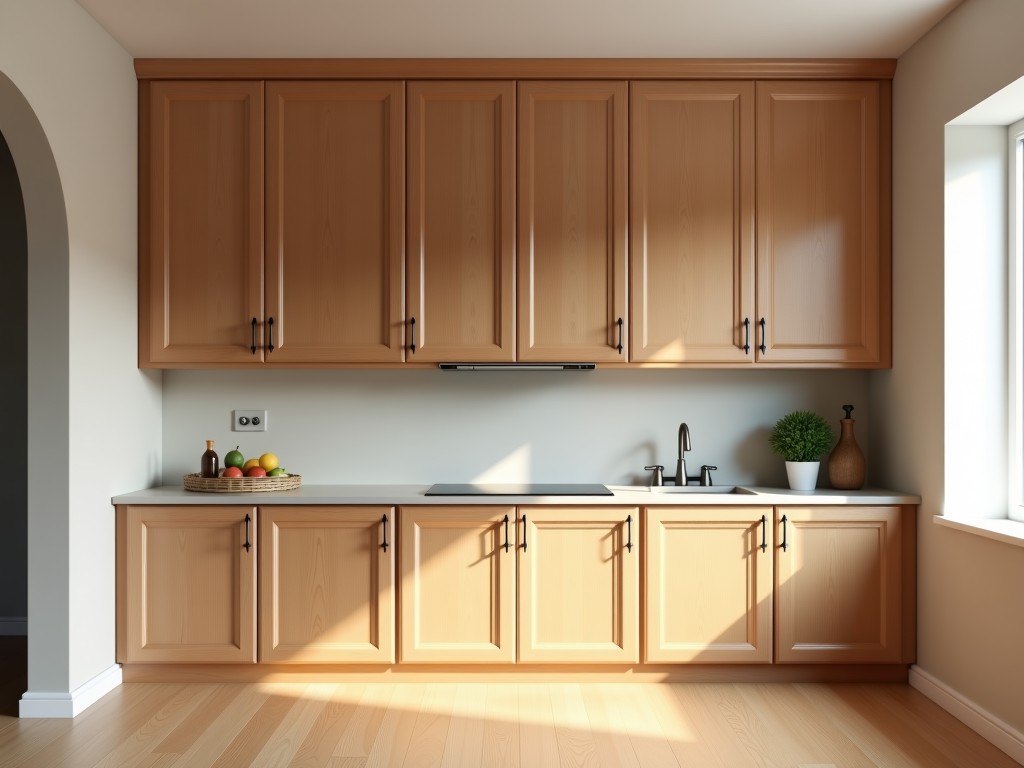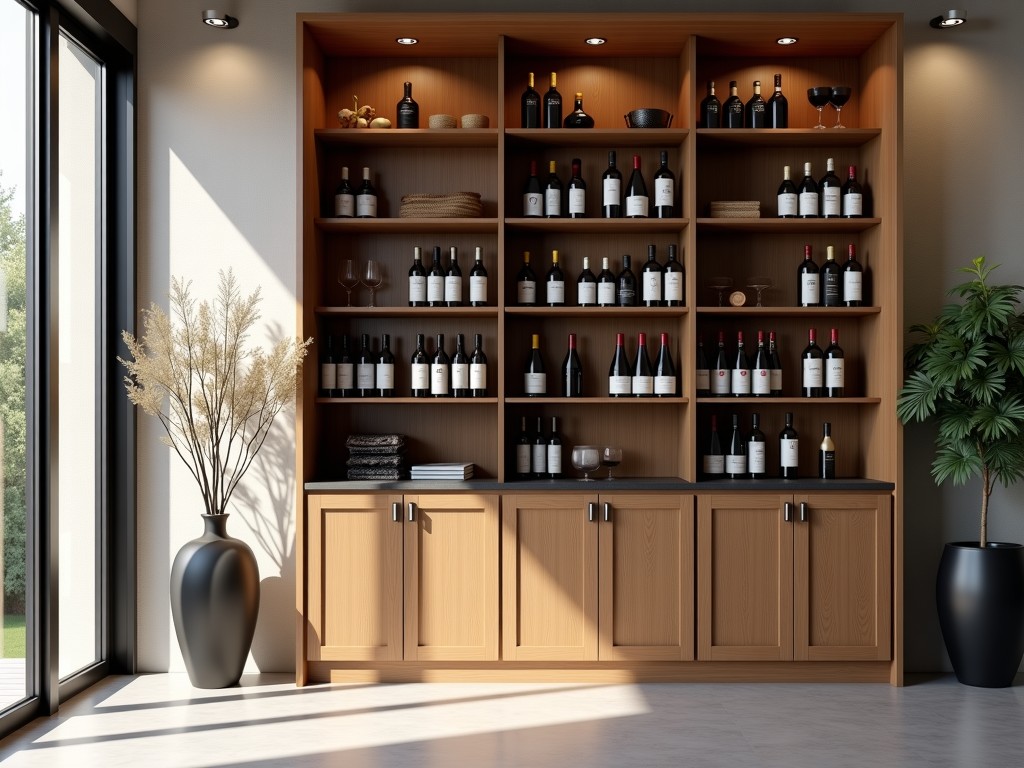
OEM Built In Home Bar Cabinets
OEM Built In Home Bar Cabinets
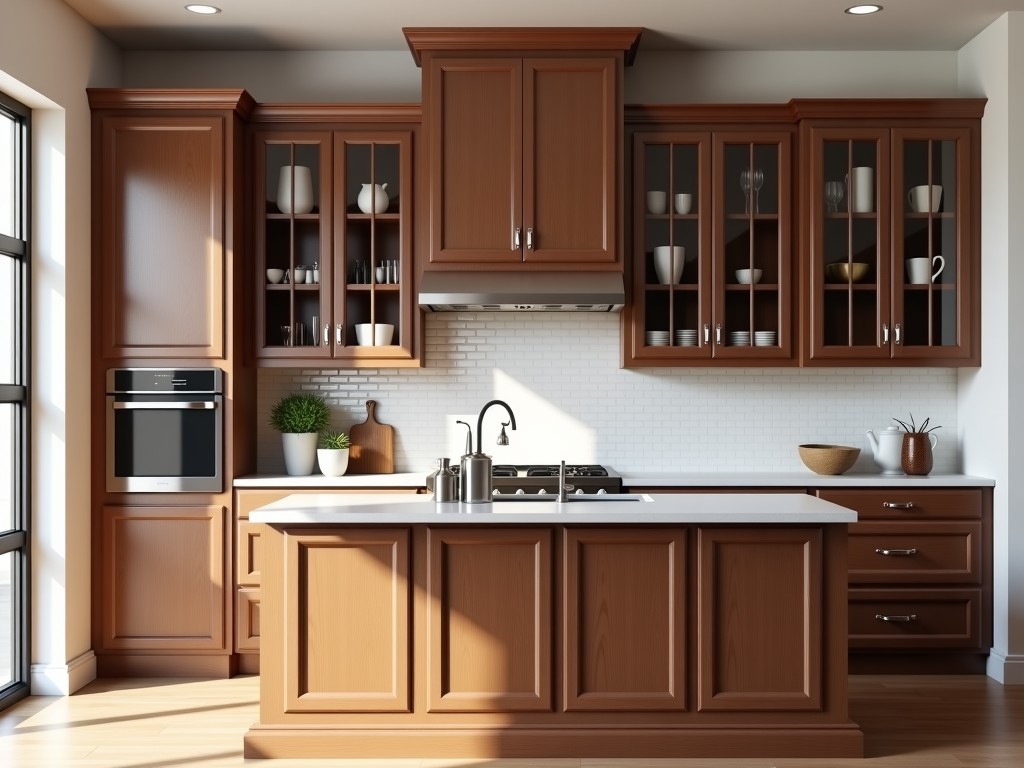
Engineering Specifications for Integrated Built-In Home Bar Cabinets
Integrating a functional bar into residential or commercial architecture requires a balance between structural integrity, moisture management, and ergonomic workflow. Unlike freestanding furniture, built-in units must be engineered to withstand significant static loads from heavy glassware and refrigeration equipment while maintaining dimensional stability in varying-humidity environments. Successful implementation focuses on the load-bearing capacity of the cabinet carcass, the chemical resistance of surface finishes, and the precision of hardware integration to ensure high-frequency operation.
Material Selection and Structural Integrity
The choice of core material dictates the lifecycle of the installation. For high-performance built-in bar systems, high-density fiberboard (HDF) or specialized marine-grade plywood is preferred over standard particle board due to superior resistance to swelling and shear. In areas involving integrated sinks or ice makers, the substrate must be moisture-treated to prevent delamination over time.
- Marine Plywood: Offers high strength-to-weight ratio and exceptional dimensional stability for load-bearing shelving units.
- HMR MDF (High Moisture Resistant): Utilized for door panels and faces where surface uniformity is critical and exposure to liquid spills is localized.
- Stainless Steel Liners: Often specified for backsplashes and work surfaces to meet hygiene standards and provide rapid thermal dissipation.
Technical Specifications and Standards
Procurement teams and design engineers must evaluate specific parameters to ensure compatibility with existing plumbing and electrical runs. The following table outlines the standard benchmarks for industrial-grade residential bar cabinetry.
| Parameter | Standard Specification | Engineering Consideration |
|---|---|---|
| Carcass Thickness | 18mm - 25mm | Affects load-bearing capacity of shelves. |
| Max Shelf Load | 35-50kg per linear meter | Requires reinforced brackets or glass supports. |
| Hardware Grade | Soft-close, 50k+ cycles | Ensures longevity under frequent use. |
| Surface Finish | HPL Laminate / Stone / Treated Veneer | Critical for chemical/alcohol resistance. |
Manufacturing and Integration Logic
Precision in the manufacturing phase is what separates custom cabinetry from modular solutions. The integration of specialized appliances—such as wine coolers, glass washers, and small sinks—requires precise clearance zones for mechanical tolerances. Ventilation paths must be engineered into the cabinetry design to prevent heat buildup around compressor-based cooling units.
Internal assembly methods typically utilize adjustable leveling systems to compensate for floor irregularities, ensuring that the vertical planes remain plumb and the doors align perfectly. Furthermore, the use of edge-banding technologies (such as PUR glue bonding) is essential to prevent moisture ingress into the core of the board material.
Customization and OEM Capabilities
We provide comprehensive customization for large-scale residential projects and commercial hospitality developments. This includes the modification of internal configurations to accommodate specific inventory layouts, integration of LED lighting systems with thermal dissipation considerations, and selection of specialized stone-composite countertops.
For projects requiring specific technical dimensions, we provide CAD drawings and material schedules to ensure seamless integration into the broader architectural plan. View our technical catalog here.
Frequently Asked Questions
How are the bar surfaces treated against alcohol and water spills?
We utilize non-porous high-pressure laminates (HPL) or engineered stone that are chemically inert, preventing acidic etching or staining from common bar spirits and citrus.
Can the cabinets be modified for integrated wine coolers?
Standard designs include appliance-specific cutouts with ventilation venting to ensure the unit receives necessary airflow as specified by the appliance manufacturer's technical manual.
Ready to discuss your project's specific technical specifications and material requirements with our engineering team?
Request a Technical Consultation