ODM Built In Shaker Cabinets
ODM Built In Shaker Cabinets
Built-In Shaker Cabinets for Industrial Environments
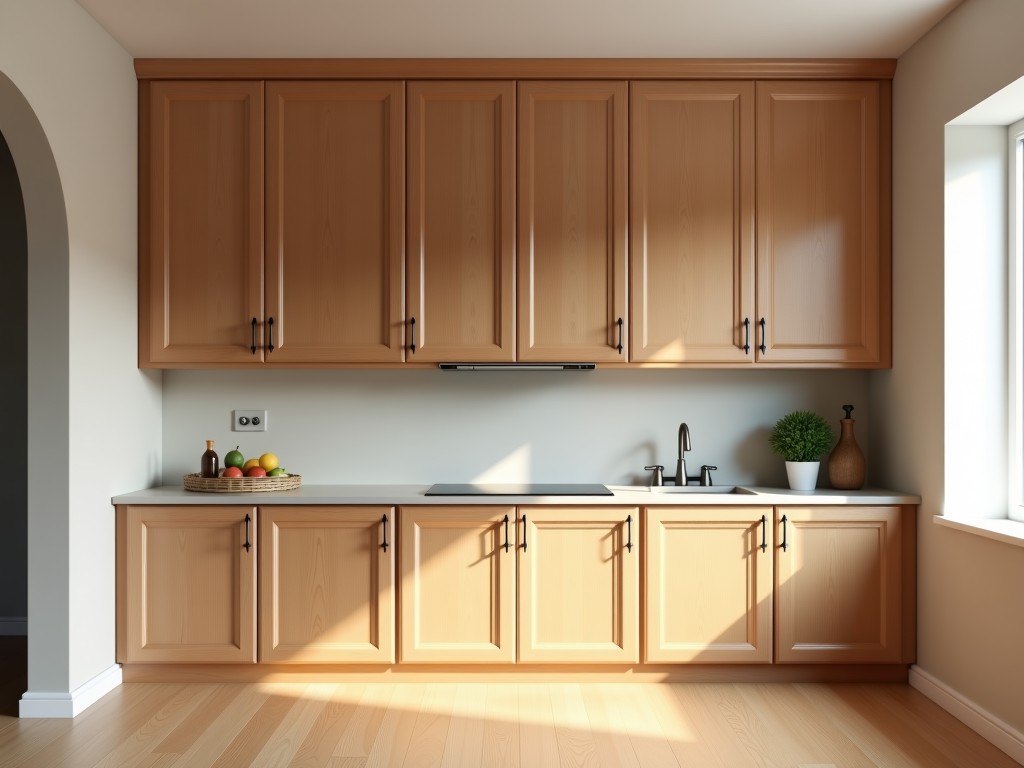
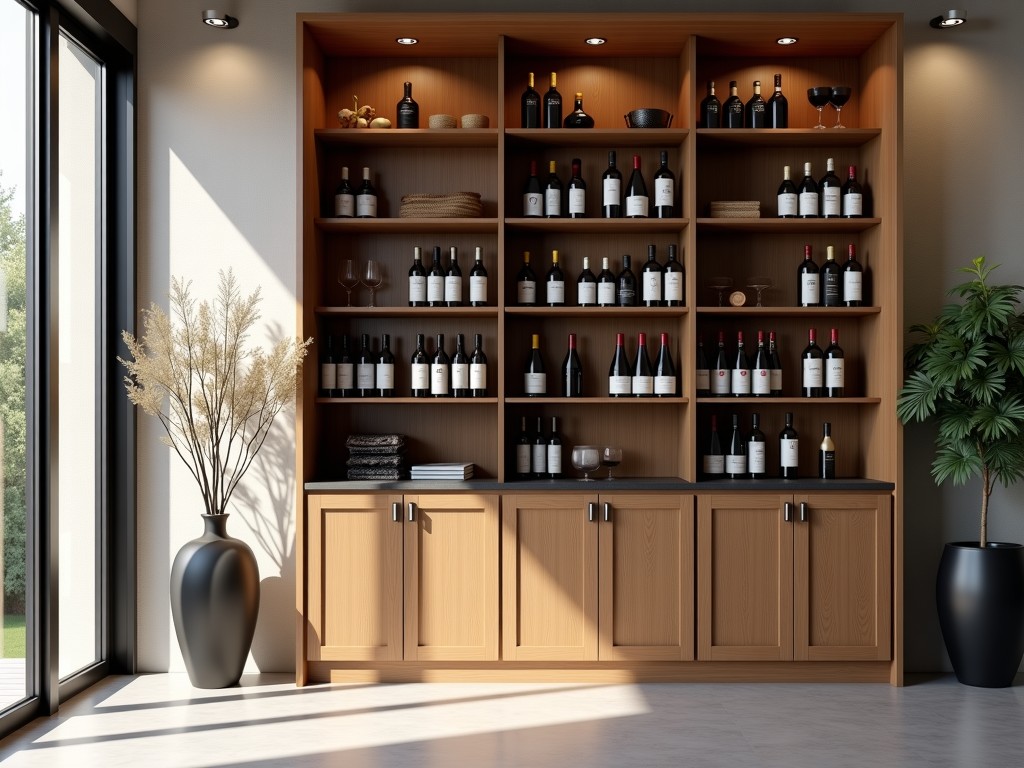
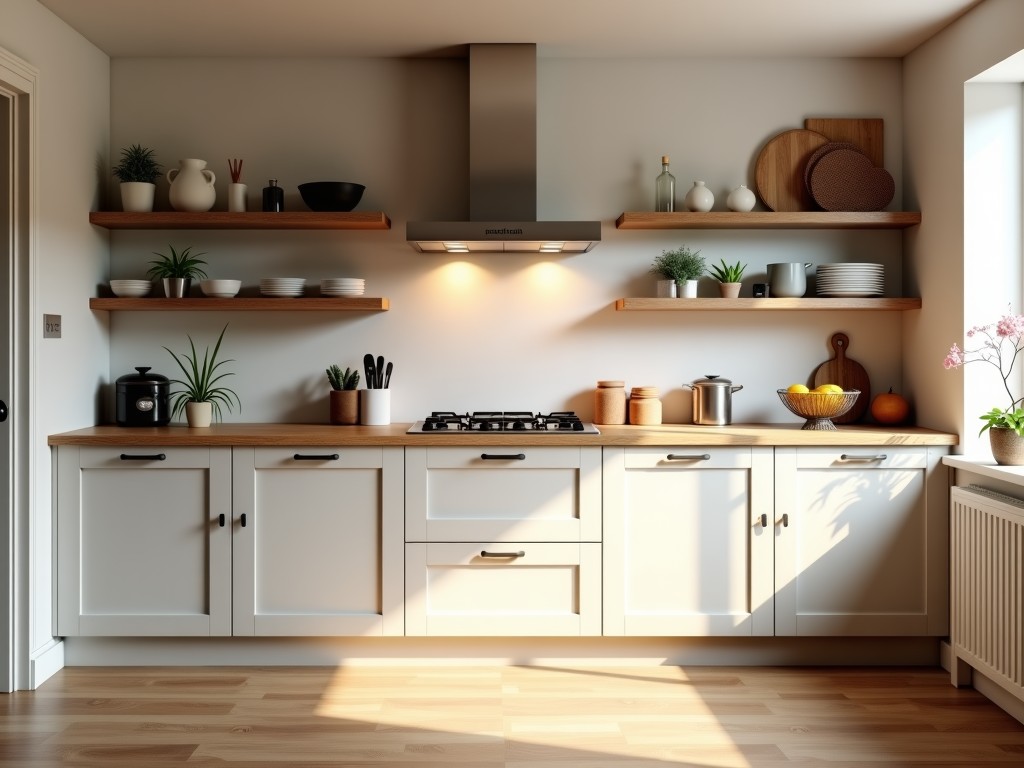
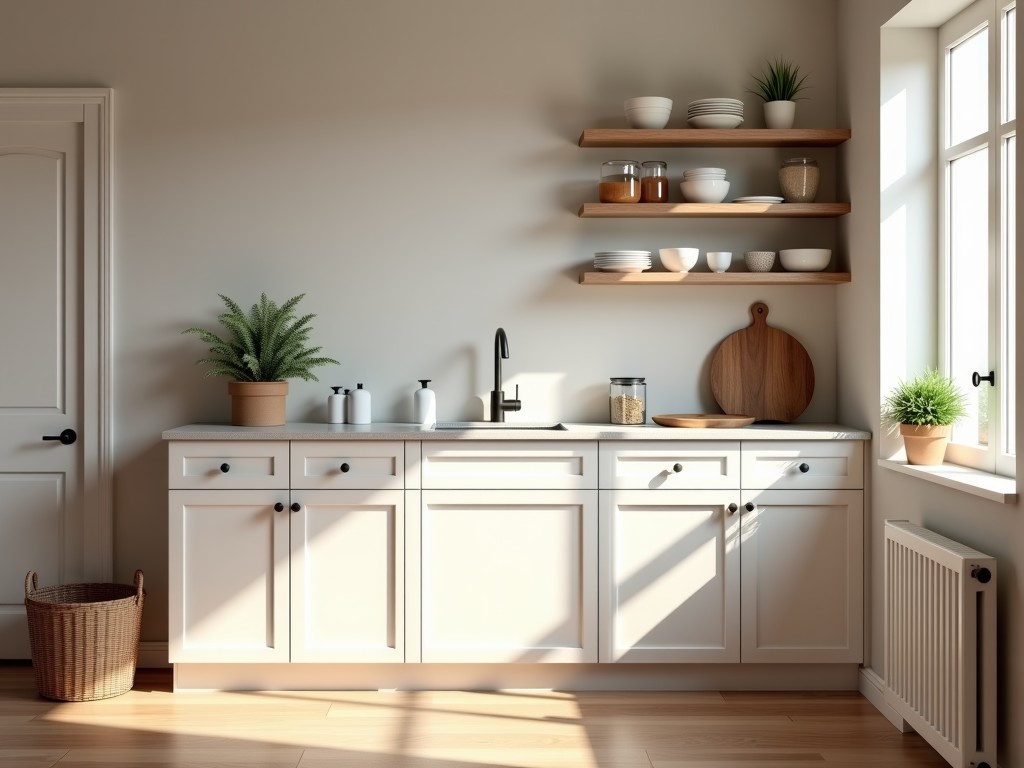
Built-in shaker cabinets are engineered storage solutions designed for integration into manufacturing facilities, laboratories, and production lines where cleanliness, accessibility, and structural stability are critical. Unlike freestanding units, these cabinets are fabricated to fit precisely within wall cavities, equipment bases, or workstation frames, minimizing floor footprint while maximizing usable storage volume. Their defining characteristic is the recessed panel door construction—where the center panel is set back from the surrounding frame—creating a seamless, flush surface that reduces snag hazards and simplifies cleaning in high-traffic or hygienic zones.
Material Selection for Demanding Applications
Material choice directly impacts longevity, maintenance requirements, and compatibility with operational conditions. For environments exposed to moisture, chemicals, or frequent washdowns—such as food processing, pharmaceutical, or chemical handling facilities—marine-grade plywood with phenolic laminate or stainless steel (typically 304 or 316 grade) is commonly selected. These materials resist warping, delamination, and corrosion under sustained humidity or cleaning agents. In dry, high-wear settings like automotive assembly or electronics manufacturing, hardwood substrates (e.g., maple or birch) with catalyzed polyurethane finishes offer superior impact resistance and surface hardness, maintaining dimensional stability under repeated use.
Manufacturing Process and Tolerance Control
Built-in shaker cabinets are produced using CNC-guided panel cutting and precision joinery to ensure tight tolerances—typically ±0.5mm on mating surfaces and ±1.0mm on overall dimensions—critical for seamless integration into prefabricated frames or modular workstations. Door frames are constructed using mortise-and-tenon or dowel-reinforced joints, then fitted with floating panels that allow for seasonal wood movement without compromising alignment. Hinge placement is machined to exacting standards to prevent binding, and magnetic catches or soft-close mechanisms are often integrated to maintain consistent door alignment over time. Edge banding or sealant application is performed in controlled conditions to prevent moisture ingress at vulnerable joints.
Performance Advantages in Industrial Settings
The flush-panel design eliminates protrusions that can catch clothing, tools, or conveyor components—reducing workplace hazards in automated or semi-automated lines. Because the cabinet body is anchored directly to structural supports, it resists vibration-induced shifting better than freestanding alternatives, maintaining alignment with adjacent equipment or utility conduits. Interior configurations—such as adjustable shelving, pull-out trays, or tool-specific inserts—can be engineered to match workflow requirements, improving accessibility and reducing retrieval time. The seamless surface also minimizes particulate accumulation, supporting compliance with ISO 14644 or FDA sanitation standards where applicable.
Typical Specifications
| Parameter | Typical Range |
|---|---|
| Door Frame Thickness | 18–22 mm |
| Panel Recess Depth | 3–6 mm |
| Standard Depth (Wall-Mounted) | 300–500 mm |
| Standard Height Increments | 100 mm modules |
| Load Capacity per Shelf | 20–50 kg (UDL) |
| Finish Options | Catalyzed UV, Powder Coat, Laminate, Brushed Metal |
Customization and Integration Options
Customization begins with dimensional adaptation to existing structural openings—commonly requested for retrofits into legacy production lines or OEM machinery enclosures. Buyers frequently specify internal accessories such as anti-static liners for electronics storage, chemical-resistant trays for lab reagents, or ventilated backsplashes for heat-generating equipment. Door hardware can be tailored to include lockable cam latches, electromagnetic interlocks for safety guarding, or handles designed for gloved operation. For cleanroom applications, seamless weld edges (in metal variants) or edge-sealed joints (in wood/composite) are available to meet ISO Class 5–8 requirements.
Packaging, Logistics, and Installation
Cabinets are packaged in crush-resistant, moisture-barrier wraps with corner protection and horizontal bracing to prevent racking during transit—essential for preserving tolerance-critical frames. Flat-pack options are available for remote sites, utilizing cam-lock or confirmat fastening systems that maintain alignment upon reassembly. On-site installation typically involves anchoring to structural studs or welded brackets using corrosion-resistant fasteners, followed by shimming and alignment verification. Lead times vary based on material selection and complexity, generally ranging from 3 to 6 weeks for standard configurations, with extended timelines for specialized finishes or integrated hardware.
Quality Control and Inspection
Dimensional verification is performed at multiple stages: post-cutting, post-assembly, and pre-packaging, using calibrated gauges and coordinate measurement tools where necessary. Surface finish is inspected under standardized lighting for consistency, adhesion, and defect-free coverage. Functional testing includes door swing clearance, latch retention strength (typically >50N), and shelf deflection under rated load. For regulated industries, documentation packages—including material certificates, finish compliance data, and inspection records—can be provided upon request to support buyer audits or validation protocols.
To explore how built-in shaker cabinets can be tailored to your facility’s spatial, operational, or compliance requirements, share your layout drawings, material preferences, or load specifications with our engineering team. We’ll provide a detailed feasibility review, including dimensional constraints, hardware options, and estimated lead times—ensuring the solution integrates precisely into your workflow.