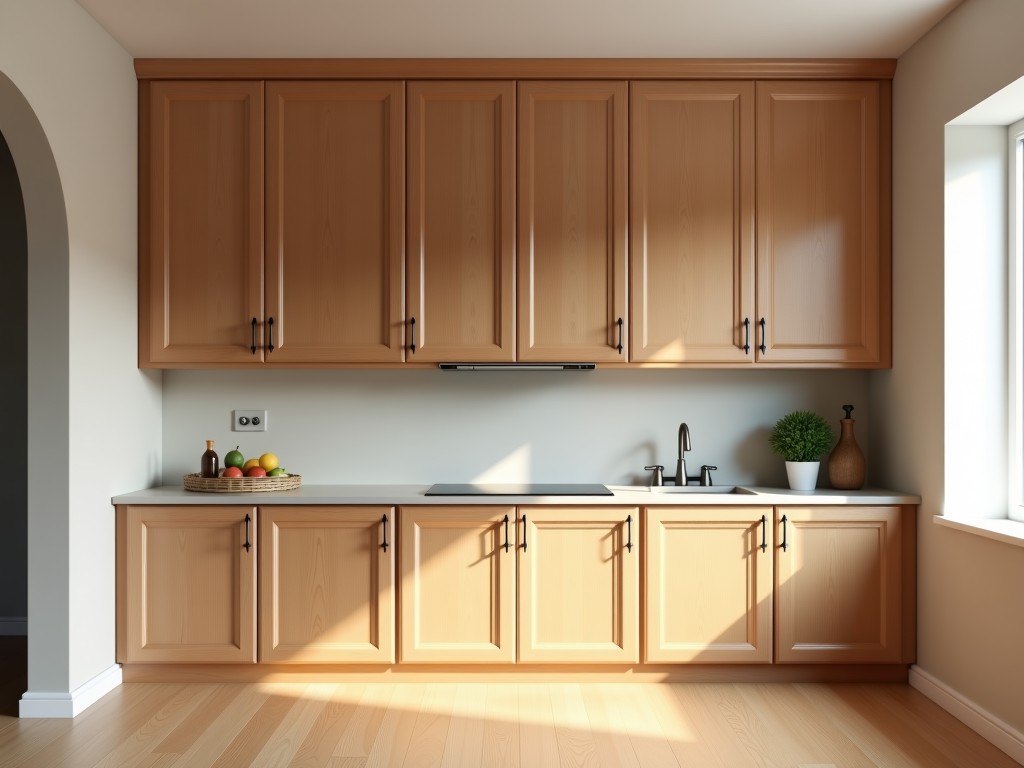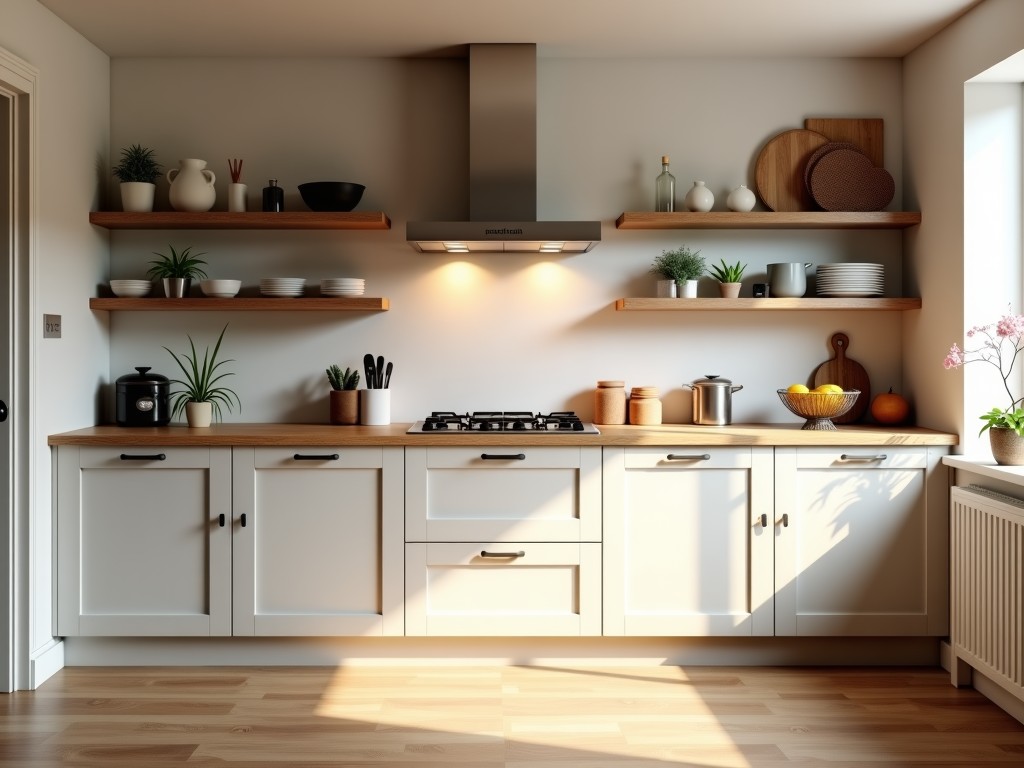
Modular Kitchen Cabinets Top Supplier
Modular Kitchen Cabinets Top Supplier
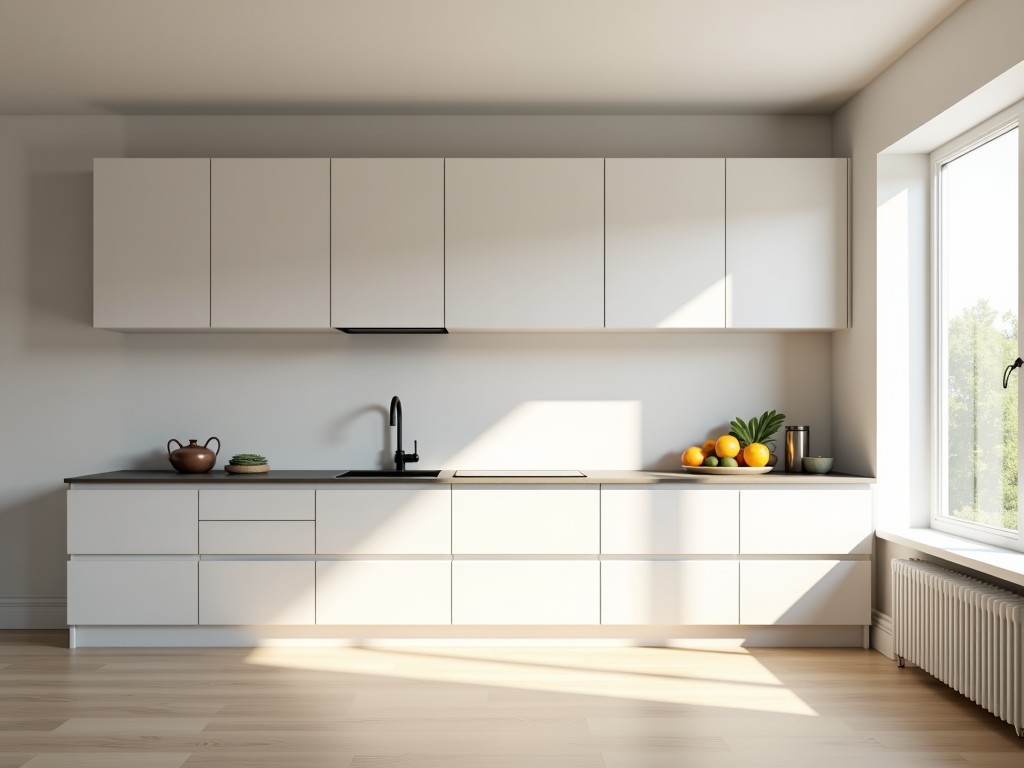
Modular Kitchen Cabinet Systems for Commercial and High-Traffic Applications
Engineered modular cabinetry solutions designed for structural stability, material longevity, and rapid deployment in industrial-grade and premium residential environments.
Engineering Considerations in Modular Cabinetry
The transition from fixed-site cabinetry to modular systems requires a shift toward precision manufacturing and standardized tolerance management. Unlike traditional built-in units, modular cabinets rely on uniform carcass dimensions to ensure seamless alignment across large-scale installations. For procurement managers and engineers, the primary concern lies in the load-bearing capacity of the panels, the moisture resistance of the core materials, and the repeatability of the hardware installation duty cycles.
Our modular systems utilize a high-density core construction to prevent dimensional warping—a common failure point in high-humidity environments. By employing CNC-cut edge banding with heat-activated PUR adhesives, we ensure that the structural integrity of the carcass remains square over years of mechanical use, reducing the risk of hinge misalignment or door-related fatigue.
Material Selection and Performance Metrics
Selecting the correct substrate is critical for determining the lifecycle cost of the kitchen installation. We categorize materials based on their chemical resistance, mechanical strength, and environmental stability.
| Material Type | Technical Characteristics | Primary Application |
|---|---|---|
| HMR-Particle Board | High-moisture resistance, low formaldehyde emission, high density. | Standard commercial and residential zones. |
| Marine Grade Plywood | Superior screw retention, water-proof, structural rigidity. | Heavy-duty industrial and wet-zone environments. |
| Aluminum Alloy Core | Zero corrosion, non-combustible, lightweight profile. | Laboratory and high-hygiene environments. |
Structural Specifications and Hardware Integration
The performance of a modular system is dictated by its interface points. Our manufacturing process focuses on 18mm to 25mm panel thicknesses for primary carcasses, providing the necessary shear load capacity for heavy stone countertops and integrated high-mounted mechanical equipment.
- Tolerance Control: CNC-driven production ensures a +/-0.5mm variance across all modular units, facilitating rapid site assembly.
- Hardware Duty Cycle: Industrial-grade soft-close hinges rated for 500,000 cycles with 3-axis adjustment capabilities.
- Surface Finish: High-pressure laminate (HPL) or acrylic-coated surfaces offering high resistance to abrasion and chemical agents.
- Load Distribution: Reinforced plinth systems designed to support up to 200kg linear meter.
Customization and Scalability Logic
For large-scale projects or OEM requirements, flexibility must be balanced with logistical efficiency. Our modular units are designed for flat-pack or pre-assembled delivery depending on the site-timeline constraints. Flat-packing reduces shipping volume and minimizes the risk of impact damage during transit across international borders.
We provide customization for internal configurations to accommodate specialized plumbing runs, electrical conduits, and heavy-duty pull-out hardware. By utilizing BIM-compatible design modeling, we can verify clearances and intersections with existing architectural plans before production begins, significantly reducing on-site modification errors.
Frequently Asked Questions
How are the cabinets handled for high humidity environments?
We utilize HMR (High Moisture Resistance) substrates and PUR-edge-banding technology to prevent water ingress and delamination, which is common in standard grade cabinetry.
What is the standard lead time for bulk commercial orders?
Standard modular configurations typically range from 4 to 6 weeks, while custom-integrated or specialized finishes may require longer timelines based on material availability.
Can the units be integrated with specific industrial machinery?
Yes, our modular frames allow for modified internal gables to accommodate commercial-grade appliances, industrial sinks, and specialized laboratory equipment.