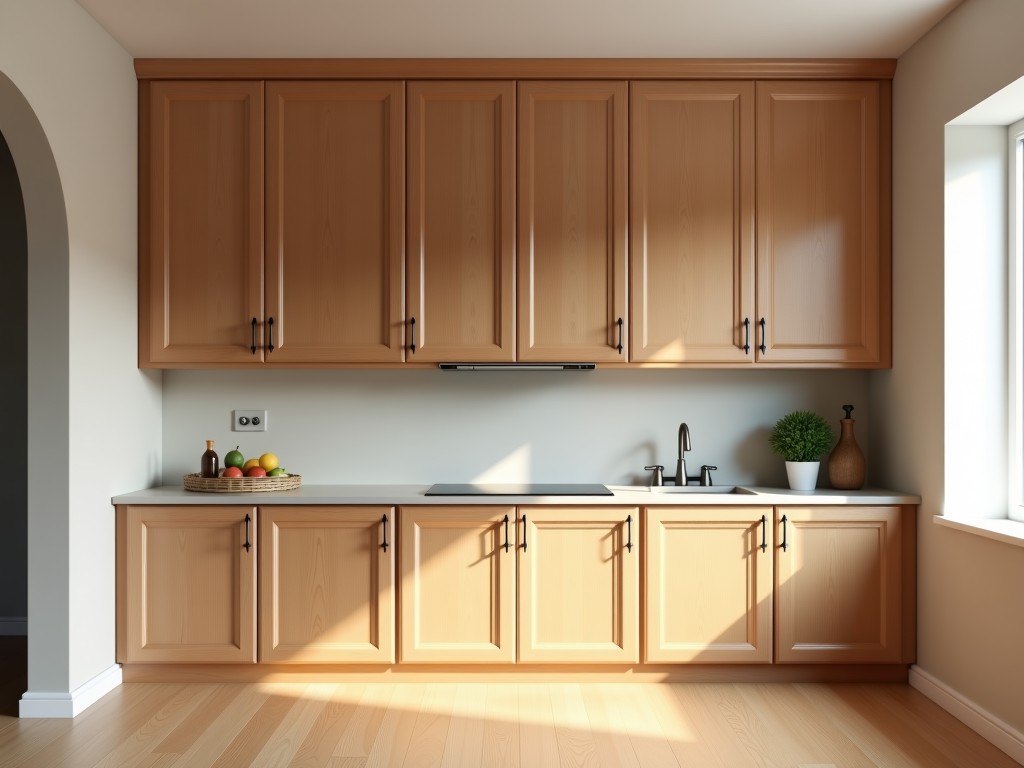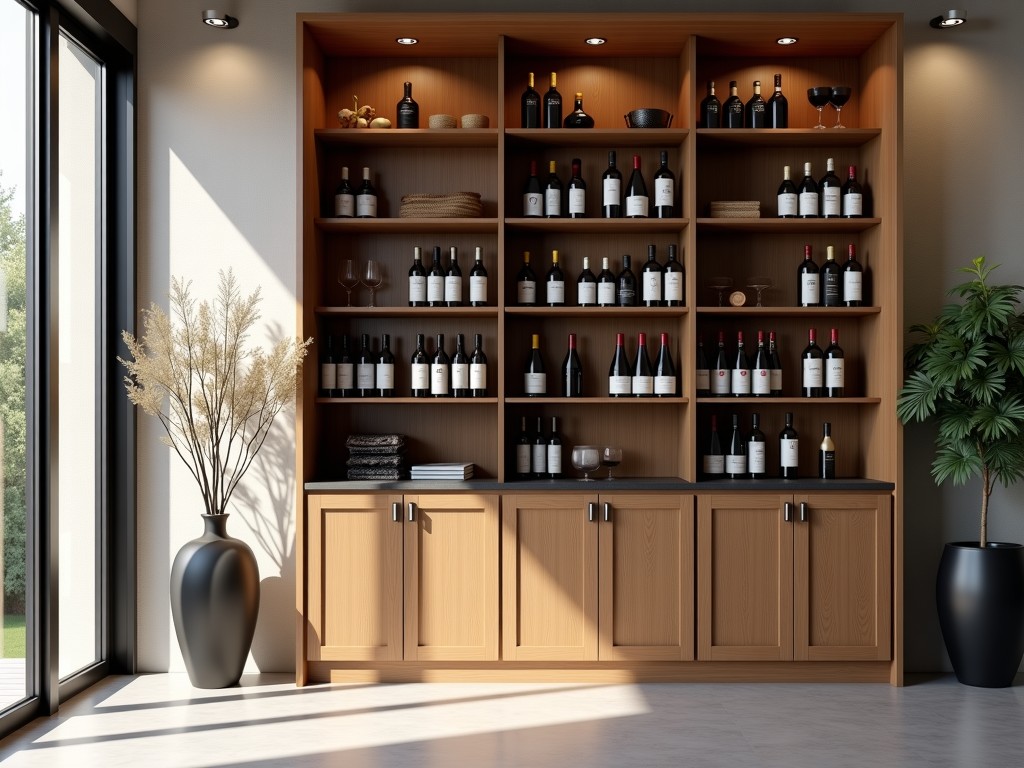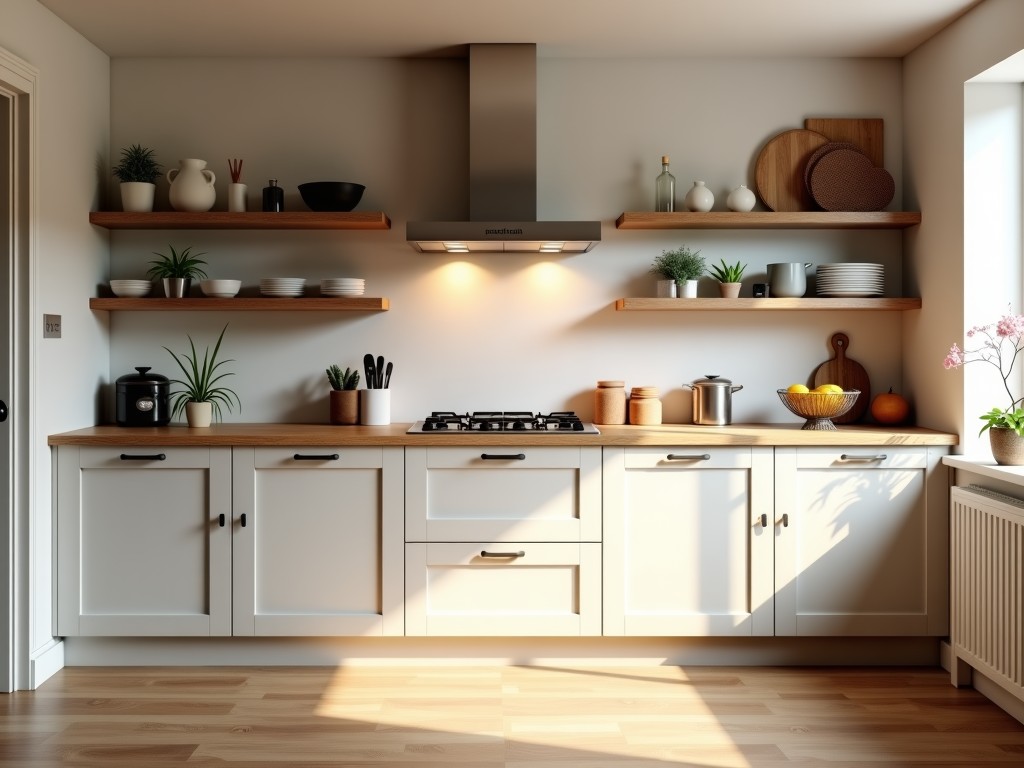
Luxury Closet System Wholesale
Luxury Closet System Wholesale
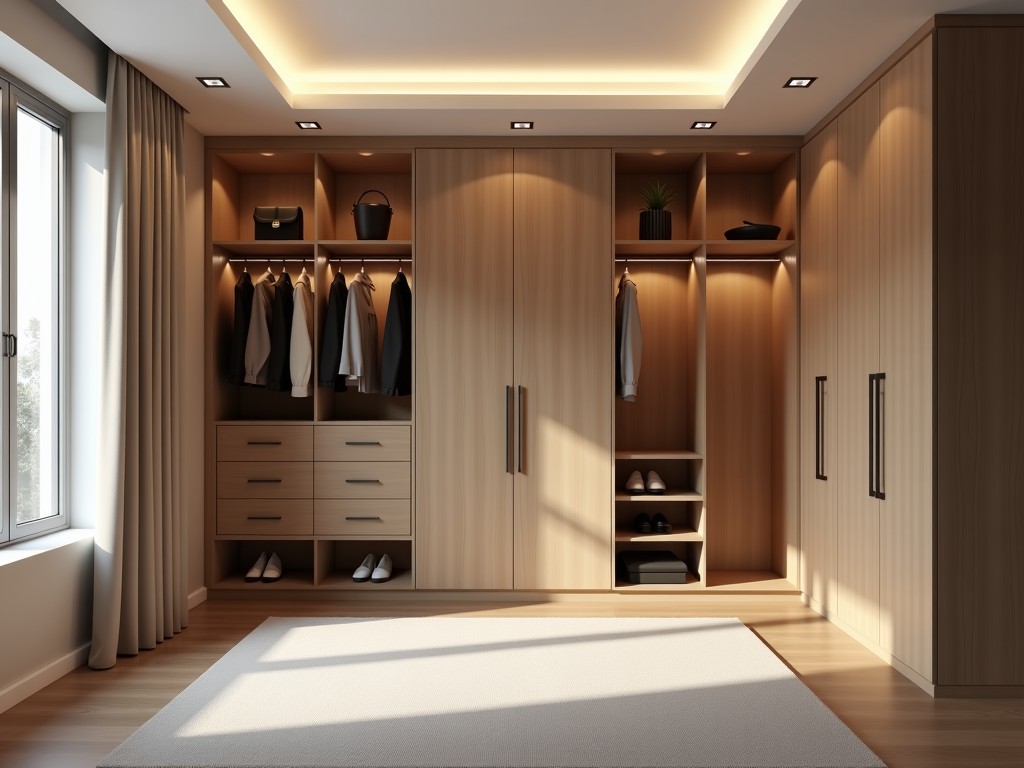
Luxury Closet System: Engineering Principles for Residential Storage Applications
Residential storage solutions in high-end applications require more than aesthetic appeal—they demand structural integrity, dimensional stability, and long-term performance under daily use. Engineers specifying closet systems for luxury residences must evaluate load distribution, material compatibility, and hardware reliability to ensure the system maintains alignment and function over decades of cyclic loading. This article outlines the technical considerations behind premium closet systems, focusing on material behavior, joinery methods, and load-path analysis relevant to procurement teams and design engineers.
Structural Load Distribution in Wall-Mounted Storage
Unlike freestanding furniture, wall-mounted closet systems transfer vertical and lateral loads directly to the building structure through anchoring points. The primary engineering challenge lies in minimizing deflection under eccentric loading—such as when heavy garments are concentrated on one side of a hanging rod—while preventing pull-out failure at the fastener interface. System rigidity depends on the moment of inertia of vertical uprights, the shear capacity of horizontal supports, and the embedment depth of wall anchors into substrate materials like concrete, wood studs, or metal framing.
Engineers must calculate reaction forces at each anchor point based on tributary area and applied loads, considering both static clothing weight and dynamic loads from daily use. Finite element analysis typically shows that poorly designed systems exhibit peak stress at the top and bottom anchors, necessitating reinforcement through gussets, backer panels, or increased fastener density. Proper load path design ensures that bending moments are resisted by the structural frame rather than relying solely on adhesive or shear connections between components.
Material Selection for Dimensional Stability and Wear Resistance
The choice of substrate material directly influences long-term dimensional stability, especially in environments with fluctuating humidity. Medium-density fiberboard (MDF) with melamine facing is commonly used for panel components due to its uniform density and resistance to warping, but its screw-holding capacity degrades over time under cyclic loading. For high-load applications such as shelf standards or hanging rod supports, engineered wood products like plywood or laminated veneer lumber (LVL) offer superior fastener retention and modulus of elasticity.
Metal components—typically cold-rolled steel or aluminum extrusions—are used for load-bearing elements like shelf brackets, rod sockets, and vertical standards. Steel provides higher yield strength and stiffness, while aluminum offers corrosion resistance and lower density, beneficial in seismic zones or coastal environments. Surface treatments such as powder coating or anodizing not only enhance appearance but also provide a barrier against oxidation and wear at contact points with moving parts like sliding door rollers or pull-out mechanisms.
Wear resistance at interfacing surfaces—such as dove-tail joints, cam locks, or metal-to-metal slides—is critical for maintaining smooth operation. Hardened steel pins, self-lubricating polymer bearings, or nickel-plated surfaces reduce friction and prevent galling, extending service life beyond 50,000 cycles in typical residential use. Material pairing must account for galvanic compatibility when dissimilar metals are in contact, particularly in humid climates where condensation may accelerate corrosion.
Joinery Methods and Assembly Precision
The precision of joinery directly affects system alignment and long-term stability. Concealed fastening systems—such as confirmat screws, eccentric cam locks, or dowel-and-glue joints—are preferred in luxury applications to maintain clean aesthetics while providing strong mechanical interlock. However, reliance on adhesive alone introduces creep risk over time; therefore, hybrid joints combining mechanical fasteners with controlled adhesive application are standard practice for load-bearing connections.
Tolerances in panel cutting and edge banding must be tightly controlled—typically ±0.5 mm for dimensional accuracy and ±0.2 mm for edge alignment—to prevent binding in sliding doors or misalignment in adjustable shelving systems. CNC routing ensures repeatability in hole placement for shelf pins and hardware mounting, reducing cumulative error across multi-unit installations. Laser-guided drilling systems further improve positional accuracy for Euro-style hinges and drawer slides, which require sub-millimeter precision to function without binding.
Adjustable shelving systems rely on precise vertical perforation patterns in standards, usually spaced at 32 mm or 16 mm increments. The perpendicularity of these holes to the standard’s face determines shelf levelness; angular deviation greater than 0.5 degrees can cause noticeable tilt over 600 mm spans. Quality control during manufacturing includes optical verification of hole patterns and torque testing of fastener inserts to ensure consistent clamping force.
Typical Specifications for Engineered Closet Systems
| Parameter | Typical Range / Value | Notes |
|---|---|---|
| Vertical Upright Material | Cold-rolled steel (SPCC), aluminum 6063-T5 | Steel for high-load zones; aluminum for corrosion-prone areas |
| Panel Substrate | MDF (E1 grade), plywood, LVL | Melamine or veneer faced; edge banded with PVC or ABS |
| Shelf Load Capacity | 20–40 kg per shelf (uniformly distributed) | Depends on bracket spacing and standard thickness |
| Hanging Rod Diameter | 30 mm (steel), 35 mm (aluminum) | Wall thickness ≥1.2 mm to resist ovalization |
| Adjustment Increment | 32 mm or 16 mm vertical hole spacing | Perpendicularity tolerance <0.5° |
| Surface Finish | Melamine, powder coat, anodize, veneer | Powder coat thickness: 60–80 μm; anodize: 10–15 μm |
| Fastener Pull-Out Resistance | ≥800 N in wood stud, ≥1500 N in concrete | Depends on embedment depth and anchor type |
Installation Considerations for Structural Integrity
Even the most precisely manufactured system can fail if installed incorrectly. Anchor selection must match substrate conditions: toggle bolts for hollow walls, chemical anchors for cracked concrete, or wood screws with sufficient embedment into studs. Over-torquing fasteners in particleboard or MDF can strip the material, reducing clamping force by up to 60%; therefore, torque-limiting drivers are recommended during installation.
Shimming behind vertical standards is often necessary to compensate for wall unevenness, particularly in older buildings where studs may be out of plane. Non-compressible shims—such as plastic or stainless steel—should be used to avoid long-term creep. Laser levels are preferred over bubble vials for establishing vertical reference, especially over spans exceeding 2.4 mm, where cumulative error can exceed 3 mm.
Clearance allowances must be built into the design for thermal expansion and door swing. Sliding door systems require a minimum 6 mm side gap to accommodate panel expansion and roller tolerance, while hinged doors need 2–3 mm clearance at the top and bottom to prevent binding due to frame deflection. Manufacturers typically provide installation templates and drilling guides to ensure hardware placement aligns with engineered load paths.
Quality Control and Long-Term Performance Validation
Manufacturing consistency begins with raw material inspection—incoming MDF is tested for density variation (±5%) and formaldehyde emissions (EN 717-1 E1 standard), while metal coils are checked for thickness tolerance and coating adhesion. In-line monitoring during CNC operations includes spindle load sensing to detect tool wear and vision systems to verify hole placement accuracy within ±0.1 mm.
Finished units undergo functional testing: shelf load tests to 150% of rated capacity for 24 hours, cycle testing of sliding doors (10,000 open/close motions), and torque retention checks on adjustable hardware. Accelerated aging tests expose samples to 40°C and 90% relative humidity for 168 hours to assess delamination risk and coating adhesion. Packaging validation includes drop testing (ISTA 3A) and vibration simulation to ensure components arrive without micro-cracks or joint loosening.
For OEM projects, manufacturers typically provide first-article inspection reports (FAIR) and process capability indices (CpK >1.33 for critical dimensions) upon request. Traceability is maintained through batch labeling on panels and hardware bags, enabling field performance tracking if issues arise. Long-term field data—though rarely published—inform design updates, particularly in high-use zones like master bedroom closets where daily cycling exceeds 10,000 operations over a 10-year lifespan.
Discuss your project requirements with our engineering team to review load calculations, material options, and installation details specific to your residential storage application.