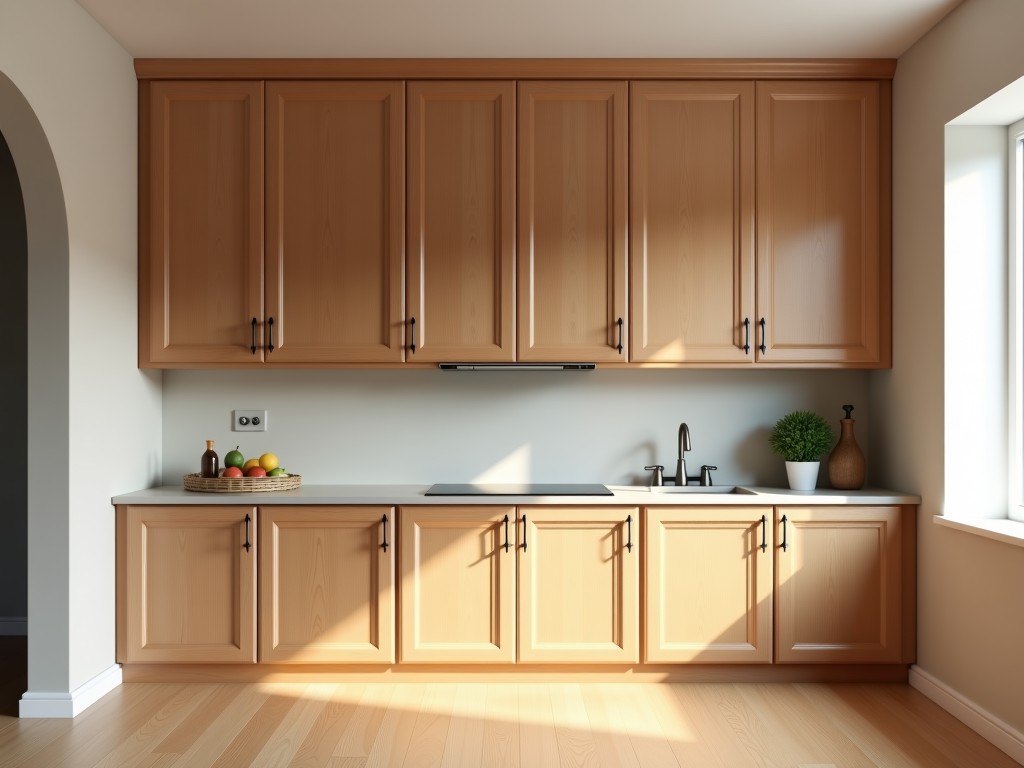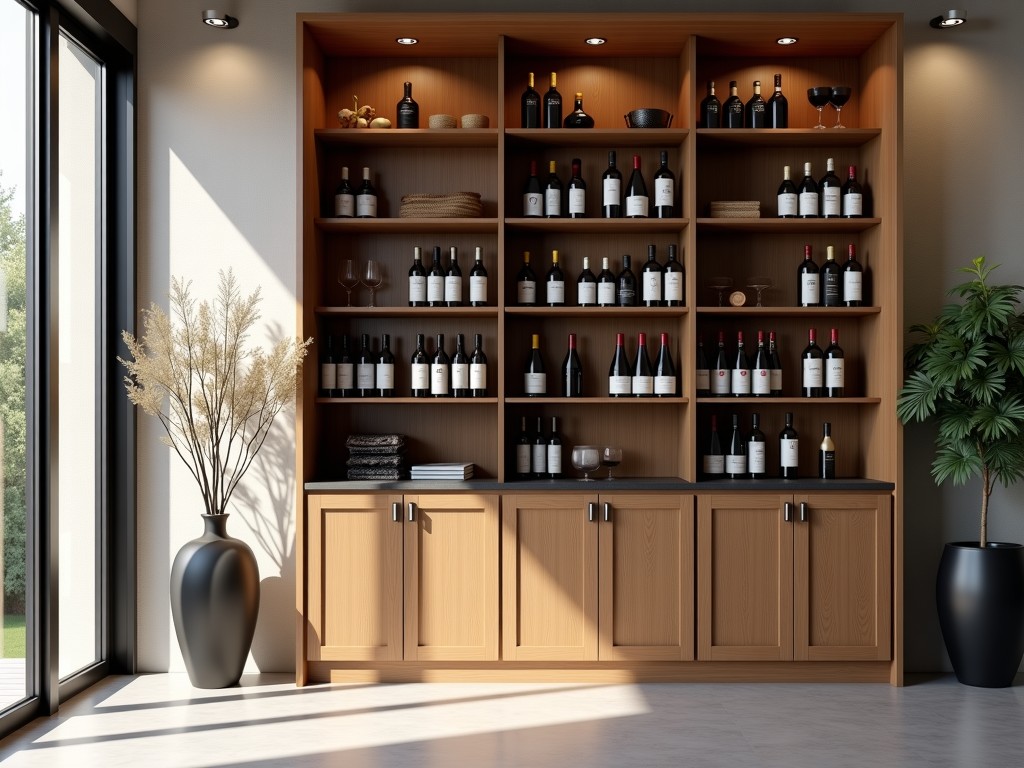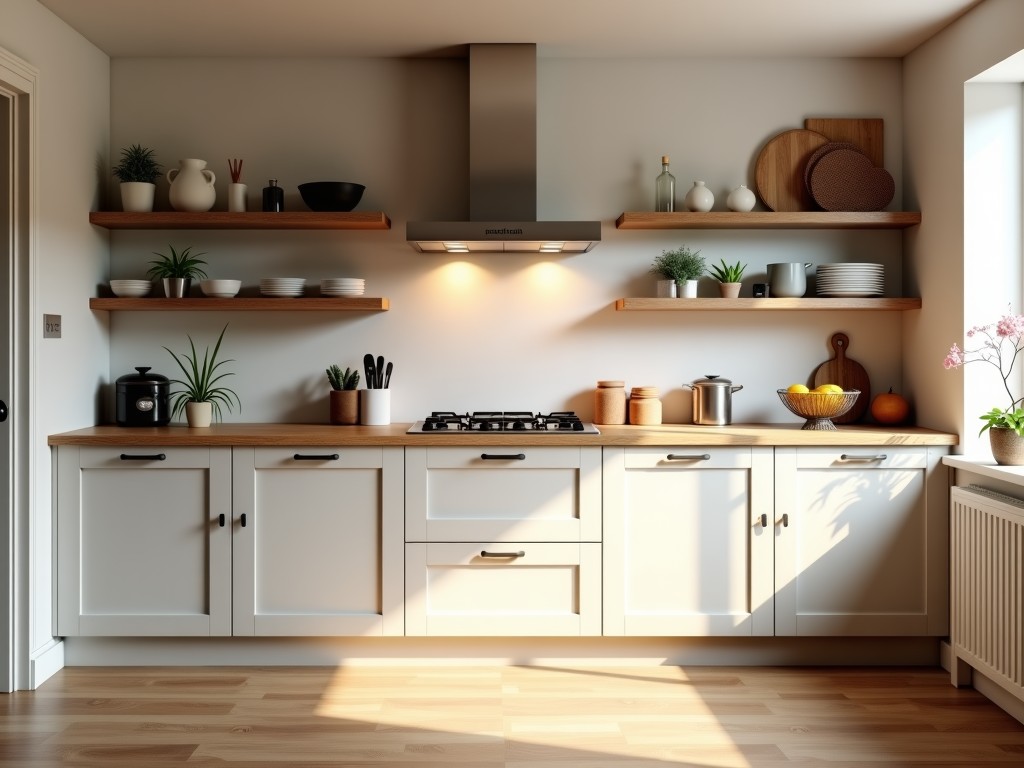
Kitchen Cupboard Doors Made To Measure Top Supplier
Kitchen Cupboard Doors Made To Measure Top Supplier
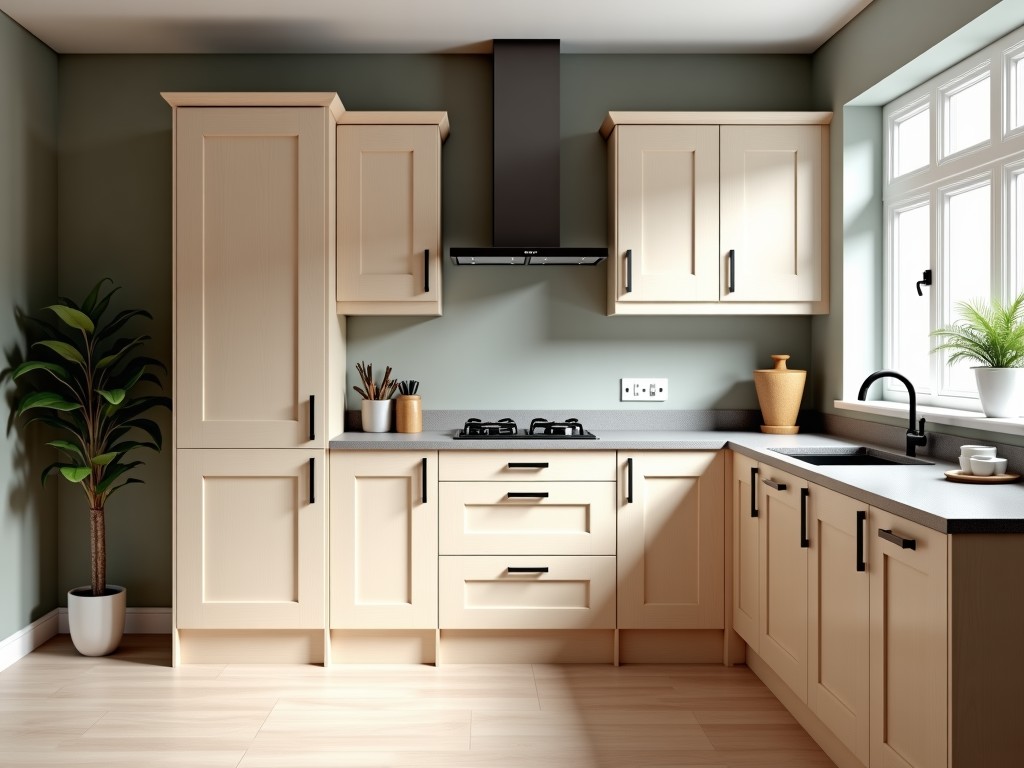
Kitchen Cupboard Doors Made to Measure
Engineers and procurement teams specifying kitchen cabinetry for commercial, residential or institutional projects often require doors that match exact aperture dimensions, material performance criteria and finish compatibility. Made-to-measure kitchen cupboard doors eliminate on-site trimming, reduce installation time and ensure consistent visual alignment across multi-unit developments.
Material Selection for Demanding Applications
The choice of substrate directly influences door stability, moisture resistance and surface finish quality. Commonly specified materials include:
- MDF with moisture-resistant (MR) grade core for painted finishes in dry to moderately humid environments
- Plywood veneer with cross-banded construction for enhanced screw holding and reduced warping in high-moisture zones
- Particleboard with melamine laminate for cost-sensitive projects requiring wipe-clean surfaces
- Solid timber sections (e.g., oak, maple) for premium applications where grain matching and refinishing capability are required
Each material exhibits distinct movement characteristics under temperature and humidity fluctuations. MR MDF typically shows less than 0.2% dimensional change across 30–70% RH, while solid timber may require expansion gaps of up to 2mm per linear meter depending on species and finish.
Manufacturing Process and Tolerance Control
Doors are produced using CNC routing and panel saws calibrated to ±0.1mm positional accuracy. Edge profiling is performed with diamond-tipped tooling to achieve consistent radii and reduce chipping on brittle substrates like melamine-faced board.
Standard thickness options range from 16mm to 22mm, with custom thicknesses available upon engineering review. Squareness is maintained within 0.5mm diagonal deviation, and surface flatness is controlled to under 0.3mm over a 300mm span to prevent telegraphing through high-gloss finishes.
Edge sealing is critical for moisture ingress prevention. Depending on substrate, edges may be sealed with PVC edge banding (0.5–2.0mm thickness), laser-etched acrylic or pre-glued melamine tape, all applied with hot-melt adhesive systems achieving peel strength >1.8N/mm.
Typical Specifications
| Parameter | Typical Range | Notes |
|---|---|---|
| Width | 100–900mm | Customizable in 1mm increments |
| Height | 200–2400mm | Dependent on material stability and handling |
| Thickness | 16, 18, 22mm | Other thicknesses available upon request |
| Edge Finish | PVC, acrylic, melamine, veneer | Selected based on substrate and face finish |
| Surface Finish | Painted, laminate, veneer, lacquer | Finish affects edge sealing method and tolerance sensitivity |
Customization Options
Beyond dimensional control, made-to-measure doors support a range of functional and aesthetic adaptations:
- Pre-drilled hinge and handle holes to customer drilling templates
- Integrated panel raising for shaker or profiled designs
- Glass insert apertures with retaining bead grooves
- Edge profiling (square, radius, bevel, ogee) to match door style
- Finish matching to RAL, NCS or custom paint codes
Customization impacts tooling setup and minimum order quantities. For example, non-standard edge profiles may require dedicated cutter blocks, while custom paint finishes necessitate isolated spray booths to prevent cross-contamination. Lead times typically range from 10–15 working days for standard configurations, extending to 18–25 days for multi-process customization.
Packaging and Logistics
To prevent edge damage and face scratching during transit, doors are packaged individually in polyethylene sleeves with corner protectors, then stacked flat on pallets with interleaving sheets of corrugated cardboard. Units are secured with stretch wrap and corner boards to resist shifting.
Pallet dimensions are optimized for standard container loading (1100x1100mm base), with maximum stack height determined by door thickness and packaging rigidity—typically 1.2–1.5m for 18mm doors. Each package includes a packing list referencing order number, material code, finish and quantity, facilitating warehouse intake and project staging.
Export shipments comply with ISPM 15 for wooden pallets and include moisture barrier desiccants in high-humidity corridors. Clients requiring just-in-time delivery can schedule staggered production runs aligned with site readiness.
Quality Control and Inspection
Every batch undergoes dimensional verification using calibrated calipers and laser gauges at three points (top, middle, bottom) for width and height. Diagonal measurements confirm squareness, while a straightedge and feeler gauge assess flatness under controlled lighting.
Surface inspection is conducted under 500 lux illumination to detect finish defects such as orange peel, dust inclusion or coating thinning. Edge sealing integrity is verified via adhesion tape test per ASTM D3359, with acceptable results requiring no coating removal.
Random samples from each production run are subjected to accelerated conditioning (40°C, 90% RH for 24 hours) to assess movement and edge bond stability. Results are documented and available upon request for project audits.
Selection Guide for Procurement Teams
When specifying made-to-measure kitchen cupboard doors, consider the following:
- Match substrate moisture resistance to installation zone (e.g., avoid standard MDF near sinks or dishwashers)
- Allow for hinge and door clearance based on overlay type (full, half, inset)
- Specify edge finish compatible with cleaning protocols (e.g., PVC for high-chemical exposure)
- Confirm finish compatibility with adjacent components (e.g., laminate doors vs. painted carcasses)
- Review production lead times against project milestones, including approval cycles for samples
Providing detailed drawings or DXF files with clear dimension tolerances and finish notes reduces quoting errors and accelerates approval. For phased projects, request piece-part numbering to simplify site logistics and installation sequencing.
Discuss Your Project Requirements
Share your drawings, material specifications or finish requirements with our engineering team for a detailed review and customized proposal. We provide technical feedback on manufacturability, material suitability and packaging options to support your procurement timeline.