Kitchen Cabinets With Built In Appliances Wholesale
Kitchen Cabinets With Built In Appliances Wholesale
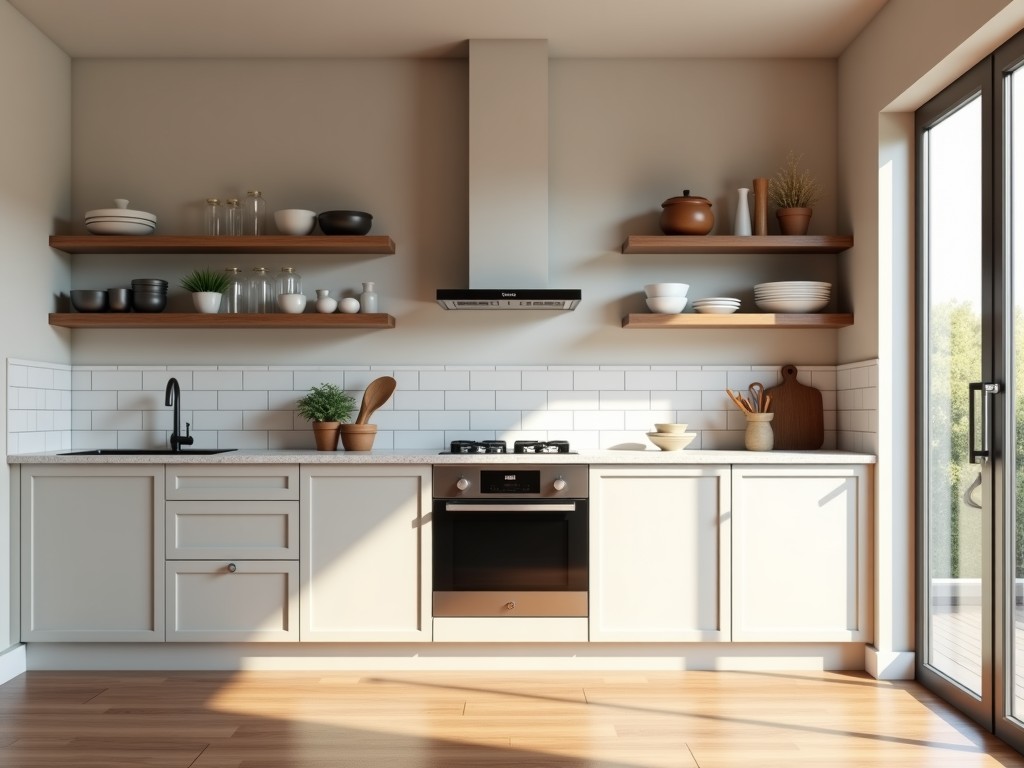
Integrated Kitchen Cabinetry Systems with Precision Appliance Integration
Integrating high-performance culinary appliances into custom cabinetry requires a shift from traditional furniture making to precision mechanical engineering. Unlike standard modular units, built-in systems must account for thermal dissipation requirements, structural load-bearing for heavy appliances, and the exact tolerances necessary for seamless htops, ovens, and refrigeration units. Our approach ensures that the structural integrity of the cabinetry remains intact while accommodating the operational demands of industrial-grade hardware.
Engineering Challenges in Appliance Integration
The primary challenge in integrated design is the management of thermal energy and vibration. High-wattage ovens and cooktops generate significant heat which, if not properly vented, can warp wood substrates or degrade adhesive bonds and internal electronic components. We address this by specifying engineered ventilation channels and heat-resistant barriers that maintain the required airflow path without compromising the aesthetic continuity of the cabinetry.
Dimensional consistency is another critical factor. A 2mm variance in a cabinet carcass opening can result in uneven gaps or mechanical interference with appliance doors during operation. Our manufacturing process utilizes CNC-machining to ensure that every appliance housing matches the manufacturer's technical specifications to sub-millimeter, preventing preventing caused by thermal expansion or structural settling.
Material Selection and Structural Stability
Selecting the core material determines the long-term stability of the installation under heavy loads. Standard particleboard often fails under the weight of large integrated refrigerators or heavy stone worktops. We utilize high-density moisture-resistant plywood and reinforced core boards for appliance zones to provide superior shear strength and dimensional stability.
- Load-Bearing Frames: Reinforced framing for base ovens and wall-mounted units to prevent structural sagging over time.
- Thermal-Resistant Substrates: Use of heat-stable laminates near heat sources to prevent carbonization or deformation.
- Moisture Barriers: PVC-grade edge banding and moisture-resistant membranes in zones adjacent dishwashers and steam ovens.
- Vibration Dampening: Specialized mounting hardware to isolate the cabinetry from mechanical vibrations of compressors and cooling fans.
Technical Specifications and Standards
| Parameter | Standard Specification | Custom Options |
|---|---|---|
| Carcass Material Thickness | 18mm - 25mm | Up to 30mm reinforced |
| Appliance Opening Tolerance | ±0.5mm | Manufacturer-specific CAD |
| Ventilation Gap Depth | Min 50mm | Customized for airflow flow |
| Max Load Capacity (Shelf) | 45kg per linear meter | Heavy-duty reinforcement |
| Surface Finish Grade | HPL / Melamine / Wood Veneer | Industrial grade coatings |
Manufacturing and Integration Workflow
Our production process begins with a technical data review. We require the CAD specifications for the specific appliance models to be installed. This allows our engineers to map out the internal geometry, ensuring that electrical points, water inlets, and gas lines are perfectly aligned and accessible before the first cut is made.
Once the digital model is finalized, we utilize multi-axis CNC machining to execute the carcasses. This eliminates human error associated with manual marking and ensures that the reveal lines—the gaps between the appliance and the cabinet face—are uniform across the entire installation, a hallmark of professional industrial finish.
Quality Control and Inspection Protocols
To guarantee performance, every integrated unit undergoes a multi-stage inspection. We specifically check for structural squareness and levelness to ensure that heavy appliance doors operate freely without binding. For integrated refrigeration units, we verify the clearance zones for heat exchange to ensure the compressor operates within its intended thermal range.
- Squareness Verification: Using laser levels to ensure diagonal alignment is within 1mm tolerance.
- Load Testing: Verifying support structures for wall-mounted units.
- Clearance Audit: Ensuring all airflow paths are unobstructed by cabinetry hardware.
Project Procurement and Logistics
For large-scale commercial projects or bespoke residential developments, we provide comprehensive technical documentation to assist your installation teams. Our team coordinates with architects and mechanical engineers to ensure the cabinetry system integrates seamlessly with the building's MEP plan.
Ready to discuss the technical requirements of your integrated project?
Request Technical Consultation & Quotation