Kitchen Cabinets Custom Made
Kitchen Cabinets Custom Made
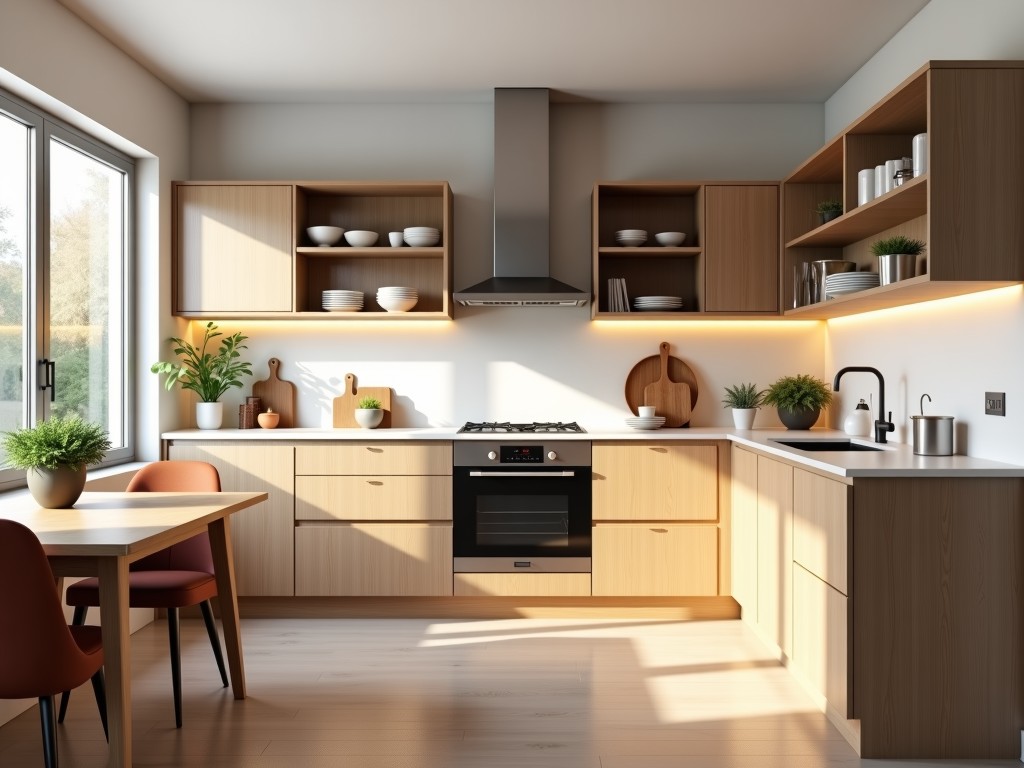
Custom-Engineered Cabinet Solutions for Commercial and Residential Environments
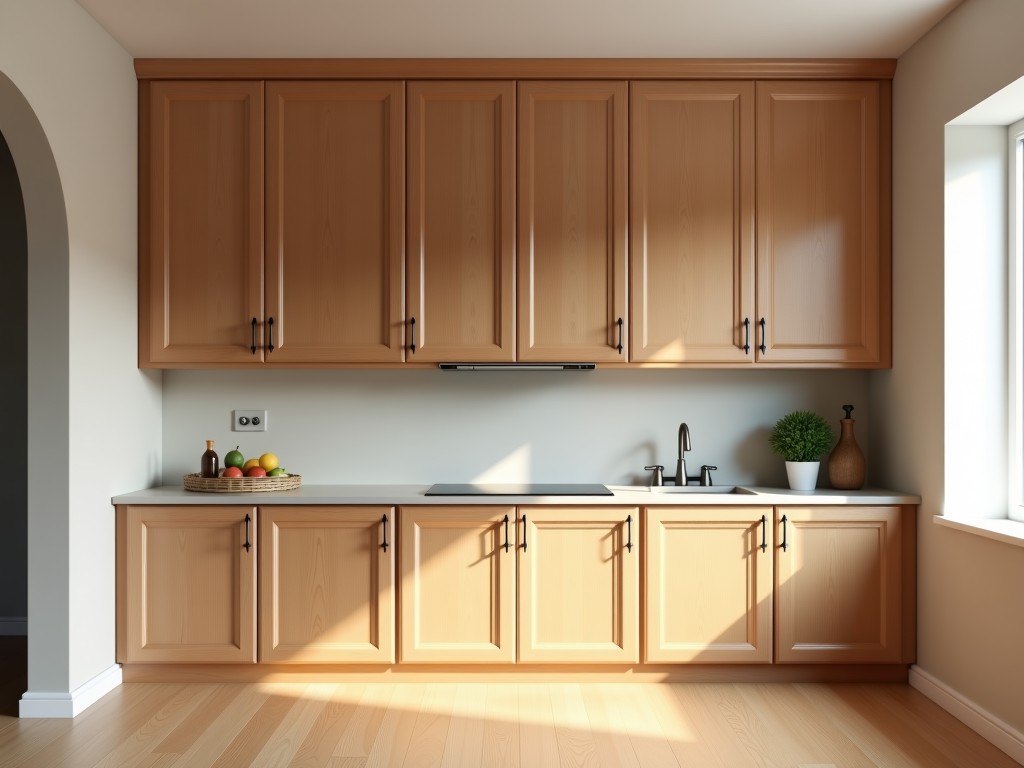
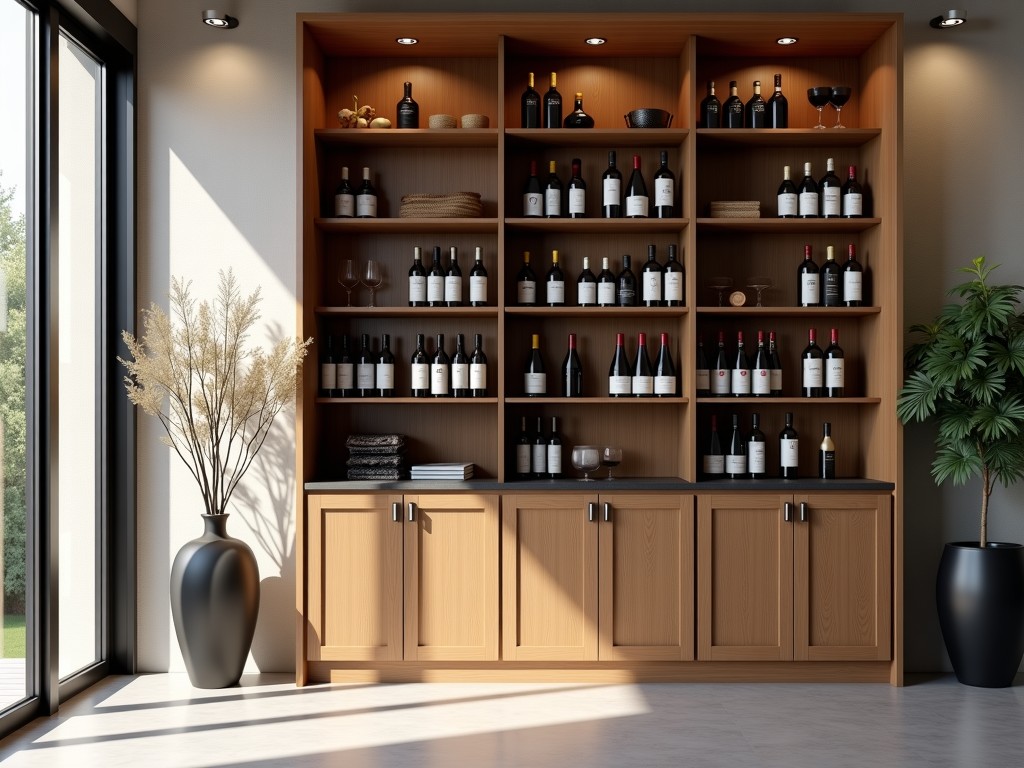
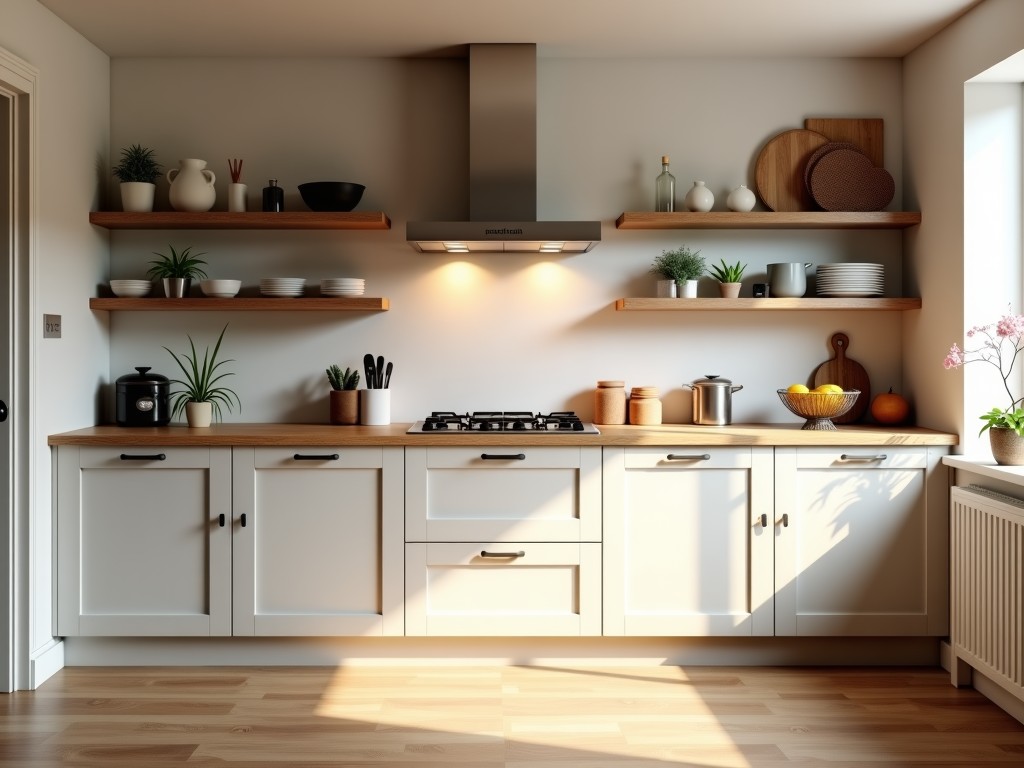
In high-traffic culinary and specialized residential environments, cabinetry functions as more than storage; it is critical infrastructure that dictates workflow efficiency. Custom-made kitchen cabinets address the inherent limitations of standardized modular units by providing precise integration into specific floor plans, load requirements, and ergonomic standards. Our manufacturing process prioritizes dimensional stability and material integrity, ensuring that each unit maintains structural alignment under repeated mechanical stress and thermal fluctuations.
Material Selection and Structural Integrity
The longevity of a cabinetry system is determined by the core material properties and the bonding technology used. Unlike consumer-grade alternatives that may suffer from delamination in high-humidity zones, we utilize high-density particle board (HDPB) or moisture-resistant marine-grade plywood. These materials are selected for their superior screw-holding strength and resistance to warping over long-term installation cycles.
Selecting the right substrate depends on the specific operating environment. For commercial-grade applications where chemical exposure is frequent, stainless steel or chemically treated phenolic cores offer maximum resistance. For premium residential projects where aesthetic precision and stability are paramount, multi-ply plywood provides the necessary dimensional consistency for complex edge banding. later
| Specification | Standard Technical Detail | Primary Benefit |
|---|---|---|
| Carc Construction | 18mm - 25mm HDPB or Plywood | High load-bearing capacity |
| Hardware Grade | Soft-close, 80,000 cycle rated | Reduced wear and extended life |
| Surface Finish | PUR bonded or High-Pressure Laminate | Impact resistance and moisture barrier |
| Tolerance Level | ±0.5mm per linear meter | Seamless alignment during installation |
Manufacturing Process and Precision Engineering
Our production workflow integrates CNC machining technology to eliminate the human variance associated with manual sawing. This ensures that every bore hole for hinge mounting and joint cut is executed to sub-micron tolerances. This level of precision is vital for custom-made cabinets where units must interface perfectly with existing plumbing, electrical conduits, and uneven structural columns.
The assembly process utilizes Polyurethane (PUR) adhesive technology for edge banding. Unlike standard hot-melt adhesives, PUR creates a waterproof bond that stronger than the substrate material itself, preventing moisture ingress that typically causes swelling and failure. This engineering choice is critical for cabinets located near dishwashers or in preparation areas.
Customization Options for Specialized Projects
- Variable Dimensions: Adjustable depths and heights to maximize vertical volume and adapt to non-standard architectural constraints.
- Internal Configuration: Integration of specialized mechanical heavy-duty pull-outs, corner-solution hardware, and integrated spice storage modules.
- Ergonomic Heights: Custom base riser heights to accommodate specific ergonomic requirements for operators in commercial kitchens.
- Material Pairing: Integration of industrial metal frames with timber accents or stone inserts for high-durability zones.
Quality Control and Logistical Reliability
Procurement and project managers require predictable timelines for large-scale rollouts. Every custom order undergoes a multi-stage inspection process focusing on squareness, edge bond integrity, and hardware functionality. We verify that all components meet the specified load-ratings and dimensional tolerances before the units are moved to the packaging phase.
To mitigate the risk of transit damage, we utilize reinforced industrial packaging. Each cabinet carcase is individually wrapped in high-density foam and secured within double-walled corrugated crates. This ensures that the precision-engineered components arrive at the site in factory-ready condition, reducing on-site delays and waste.
Ready to discuss technical specifications?
Share your project drawings or material requirements with our engineering team for a comprehensive proposal and feasibility.
Request Technical ConsultationFrequently Asked Questions
What is the typical lead time for custom-made cabinetry orders?
Lead times generally range from 6 to 12 weeks depending on the complexity of the design and material availability. We provide a firm schedule upon completion of technical design approval.
Can you integrate existing hardware or specific mechanical systems?
Yes, we specialize in retrofitting and integrating heavy-duty hardware. Please provide the technical specifications for any proprietary hardware to ensure correct CNC boring patterns.
How is moisture resistance handled for international shipping?
We utilize vapor-barrier wrapping and desiccant packaging for all export orders to prevent swelling or surface damage during sea transit.