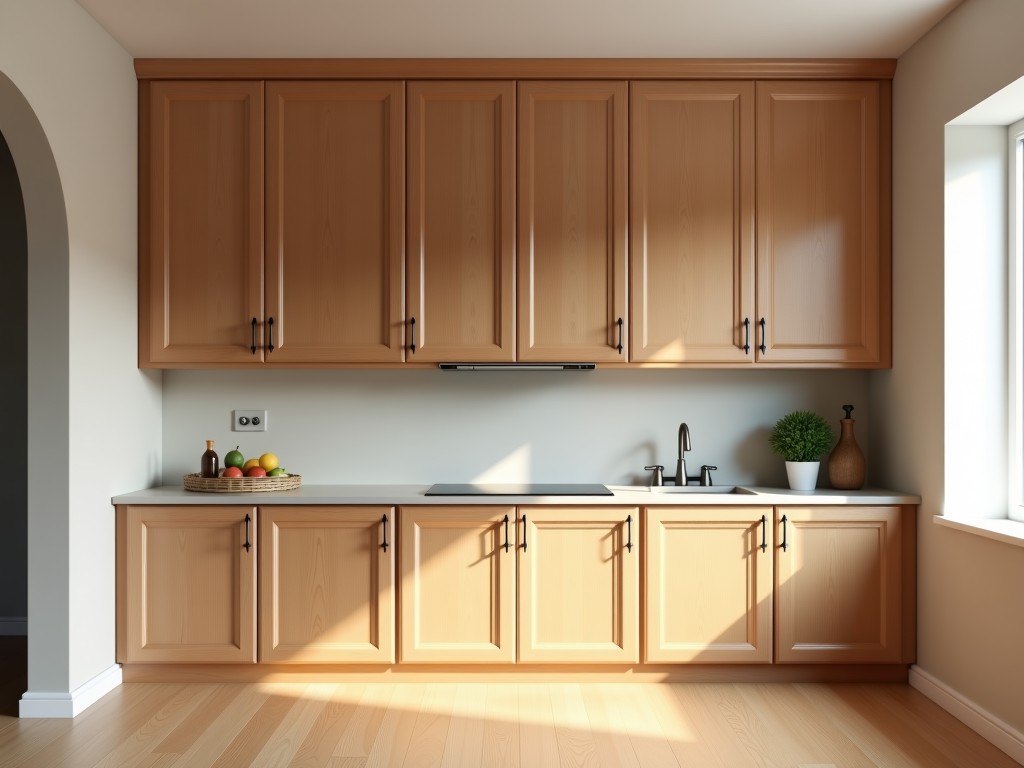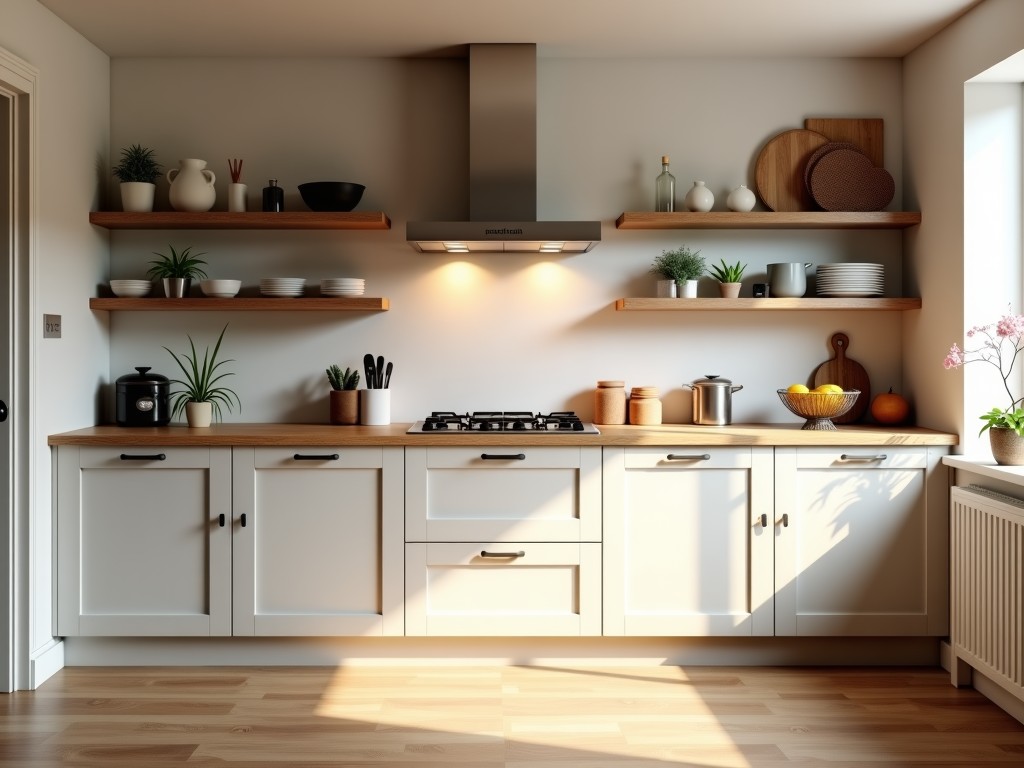
Kitchen Assembled Cabinets Factory Sale
Kitchen Assembled Cabinets Factory Sale
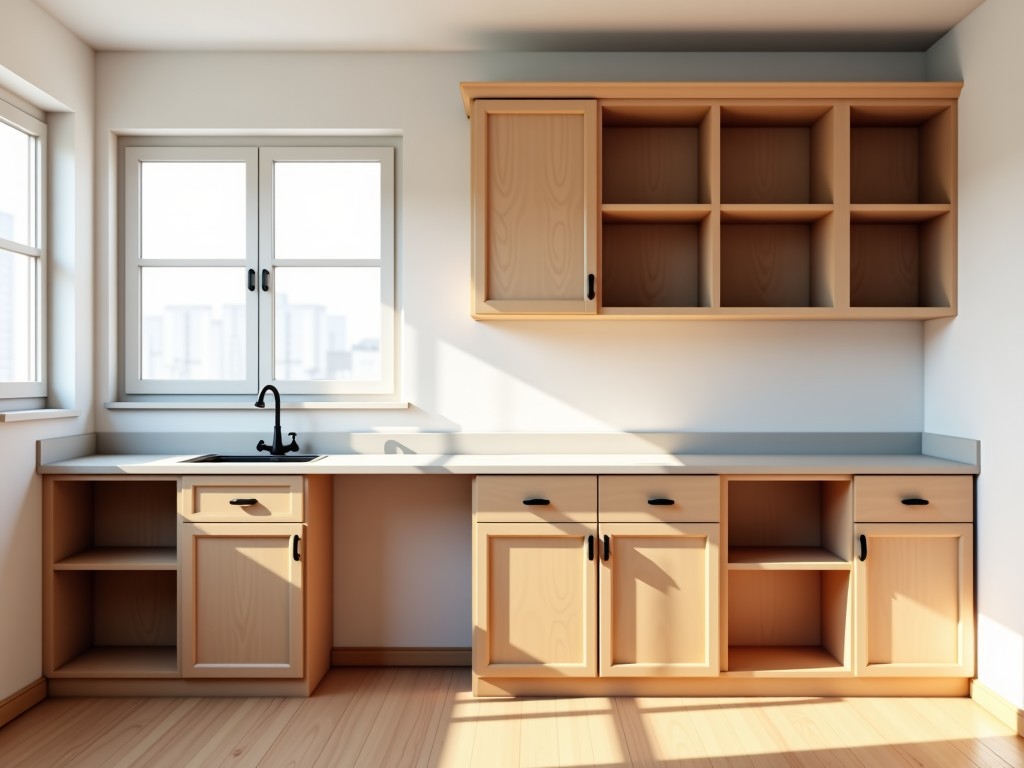
Kitchen Assembled Cabinets for Commercial and Industrial Food Preparation Environments
In high-volume food service operations, cabinetry must withstand constant exposure to moisture, cleaning agents, temperature fluctuations, and physical impact while maintaining dimensional stability and hygiene standards. Selecting the wrong material or construction method leads to delamination, swelling, or microbial harborage—compromising both safety and operational uptime.
Material Selection for Hygienic and Durable Kitchen Cabinetry
The core challenge in commercial kitchen cabinetry lies in balancing moisture resistance with structural integrity under repeated load cycles. Standard particleboard with melamine facing fails rapidly in wet zones due to capillary absorption at cut edges and joint interfaces. Marine-grade plywood offers better resistance but lacks the surface consistency required for seamless cleaning and regulatory compliance.
For these environments, we specify high-density fiberboard (HDF) with a minimum density of 850 kg/m³, bonded with moisture-resistant urea-formaldehyde (MR) or melamine-urea-formaldehyde (MUF) adhesives compliant with EN 312 Class P3 or CARB Phase 2/TSCA Title VI standards. The HDF core provides uniform screw holding strength (>110 N withdrawal force) and minimal thickness swelling (<8% after 24-hour water immersion), critical for maintaining door alignment and hinge performance over time.
Surface finishes are applied via UV-cured polyester or acrylic coatings, delivering a non-porous, chemical-resistant barrier that withstands repeated exposure to alkaline cleaners (pH up to 12), alcohols, and food acids without discoloration or microcracking. Edge sealing uses 100% PVC or ABS edge banding (0.5–2.0 mm thickness) applied with hot-melt adhesive, eliminating exposed core material and preventing moisture ingress at vulnerable points.
Manufacturing Process Ensuring Dimensional Consistency
Unlike field-assembled cabinets prone to misalignment from on-site variations, our kitchen assembled cabinets are built in controlled factory conditions using CNC-guided panel saws and automated dowel/confiramat insertion systems. This ensures panel squareness within ±0.5 mm and consistent reveal gaps (2–3 mm) across all doors and drawers—eliminating binding or uneven wear caused by installation tolerances.
Each cabinet undergoes pre-assembly dry-fit verification using laser-guided jigs to confirm diagonal equality (<1.0 mm variance) and frame flatness. Hardware—including soft-close hinges (35,000-cycle rated), full-extension drawer slides (40 kg dynamic load capacity), and adjustable shelf pins—is installed with torque-controlled drivers to prevent over-compression of particleboard substrates or stripping of threaded inserts.
Final assembly includes application of silicone-free sealant at countertop interfaces and internal corner reinforcements using laminated corner braces where lateral loads exceed 150 N. This process minimizes field adjustments and reduces the risk of callback due to sagging or door misalignment during early operation.
Typical Specifications for Commercial Kitchen Cabinetry
| Specification | Typical Value |
|---|---|
| Core Material | HDF (850–900 kg/m³ density) |
| Adhesive Type | MUF (EN 312 P3 compliant) |
| Surface Finish | UV-cured acrylic (gloss/matte) |
| Edge Banding | PVC/ABS, 0.5–2.0 mm |
| Door Thickness | 16–19 mm |
| Cabinet Depth | 560 mm (standard), 450–650 mm available |
| Load Capacity (Shelf) | Up to 40 kg/m² (evenly distributed) |
| Hinge Rating | 35,000 cycles (EN 15570) |
| Formaldehyde Emission | ≤0.05 ppm (CARB Phase 2/TSCA Title VI) |
Application Scenarios in Food Service and Processing
These cabinets are engineered for zones where hygiene and durability intersect: food preparation lines requiring frequent washdowns, dishwashing areas exposed to steam and detergent splash, dry storage rooms needing pest-resistant, easy-to-clean surfaces, and pharmaceutical or laboratory-adjacent kitchens where off-gassing must be minimized.
In healthcare facilities, the low-emission HDF core and sealed surfaces support compliance with FGI Guidelines and CDC environmental cleaning protocols. In educational institutions, the impact-resistant edges and tamper-resistant hardware reduce vandalism risk while maintaining accessibility compliance (ADA reach ranges). For mobile catering units, the lightweight yet rigid construction (approx. 25–35 kg/m² cabinet weight) enables secure mounting without overburdening chassis load limits.
Unlike residential-grade alternatives, these units are designed for 12–16 hour daily operation, with hardware selected for high-cycle endurance and materials validated against ISO 22000 prerequisite programs for food safety management.
Customization Options for OEM and Project-Specific Needs
Customization begins at the material level: alternative cores include marine plywood (for extreme wet zones), fire-retardant HDF (meeting BS 476 Class 0), or antimicrobial-infused panels (silver-ion or zinc-pyrithione treated) for high-risk contamination zones. Door styles range from slab to shaker, with integrated handles or recessed pulls to eliminate protrusions that snag uniforms or impede workflow.
Interior configurations accommodate specialized equipment: pull-out waste bins with soft-close mechanisms, adjustable spice racks with angled dividers, heated cabinet compartments (with ventilated backsplashes), and utility cutouts for plumbing or electrical conduits—all precision-machined during panel processing to avoid field modifications.
Finish customization includes RAL-matched colors, wood-grain textures via high-resolution laminates, or antimicrobial coatings applied post-assembly. All options are available with full documentation: material safety data sheets (MSDS), adhesion test reports (ASTM D4541), and formaldehyde emission certificates upon request.
Packaging and Logistics for Damage-Free Delivery
Cabinetry is packed in a three-layer system: inner layer of polyethylene film to prevent surface abrasion, middle layer of edge-protected corrugated cardboard (double-wall, 200 g/m²) with corner braces, and outer layer of stretch-wrapped palletized units secured with PET strapping. Each package includes a QR-coded label linking to assembly instructions, hardware lists, and QC inspection records.
For export, ISPM 15-compliant pallets are used, and humidity indicators are included in sea-freight containers to monitor transit conditions. Lead time typically ranges from 3–6 weeks for standard configurations, extending to 8–10 weeks for custom finishes or specialty cores—dependent on material sourcing and production scheduling.
Quality Control and Inspection Standards
Every batch undergoes incoming material verification: HDF density via gamma densitometry, adhesive solids content (FTIR), and edge banding peel strength (ASTM D903). In-process checks include panel squareness after cutting, hinge hole alignment (CMM-verified), and finish thickness (dry film gauge, target 40–60 μm).
Final inspection includes functional testing of all moving parts (door swing, drawer glide), visual assessment under 500 lux lighting for surface defects, and dimensional audit of critical interfaces (countertop reveal, toe-kick clearance). Units failing any criterion are quarantined for rework—not sorted into secondary grades.
We maintain a first-pass yield target of >92% and provide lot traceability from raw material receipt to shipment. Third-party audits (e.g., BSCI, ISO 9001) are available upon request; internal QC follows ISO 2859-1 sampling plans (AQL 0.65 for critical defects).
Discuss your project requirements with our engineering team. Share your layouts, material preferences, or regulatory constraints for a detailed feasibility review and customized quotation.