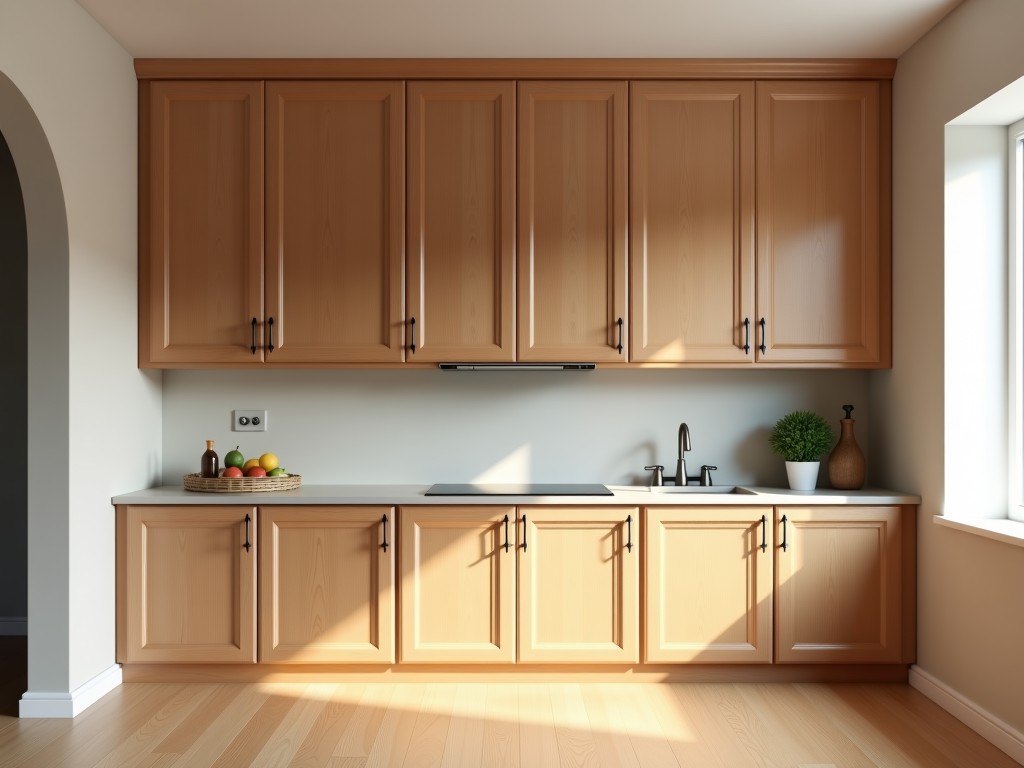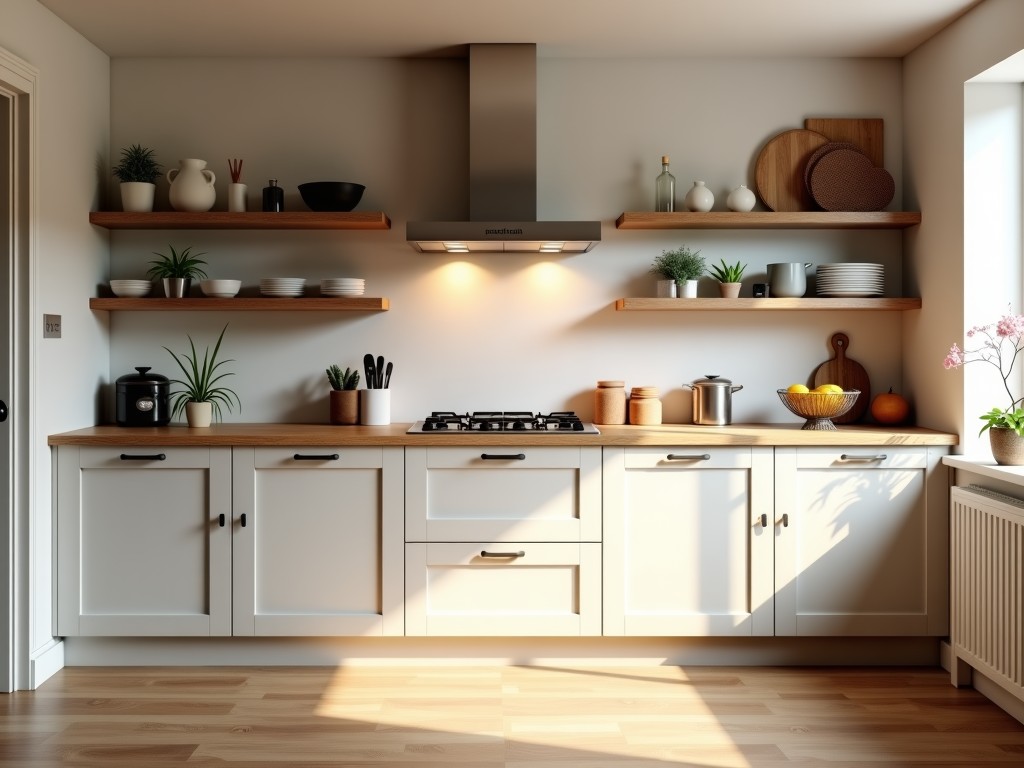
Green Built In Cabinets Supplier
Green Built In Cabinets Supplier
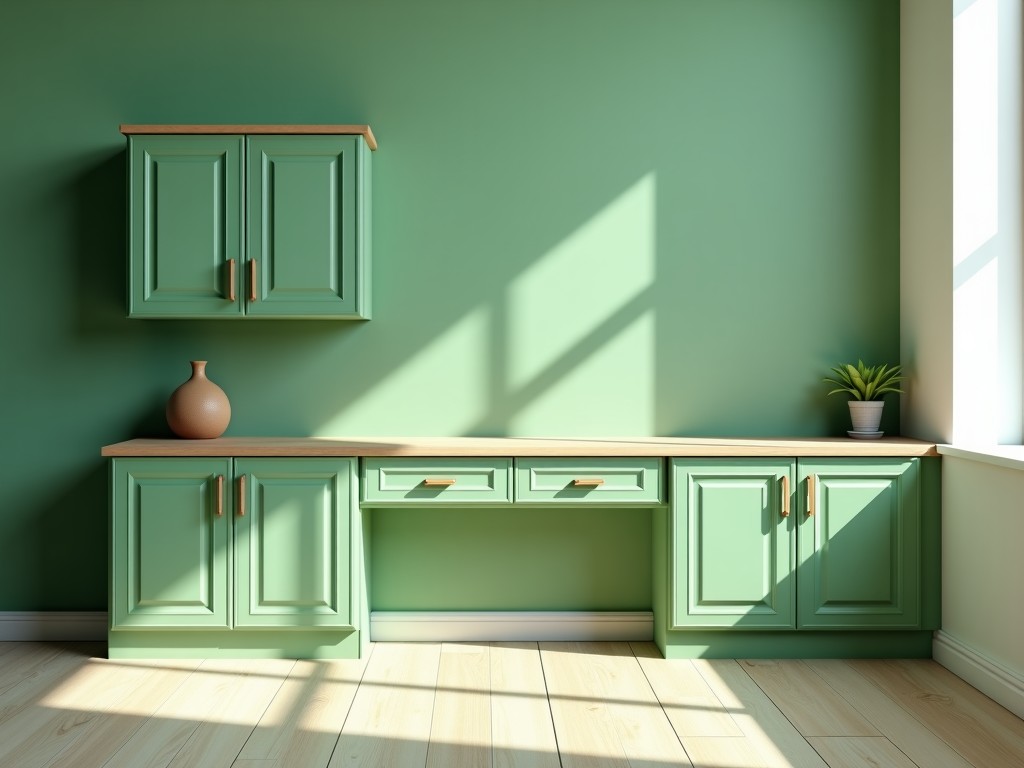
Green Built-In Cabinets for Industrial Environments
In facilities where hygiene, chemical resistance, and long-term structural integrity are non-negotiable—such as food processing, pharmaceutical manufacturing, and laboratory settings—standard cabinetry often fails under prolonged exposure to moisture, cleaning agents, or temperature cycling. Green built-in cabinets address these challenges through integrated design, material selection, and sealing methods that meet stringent industrial hygiene and environmental control requirements.
Engineering Perspective: Why Built-In Design Matters
Unlike freestanding units, built-in cabinets are fabricated to match exact wall, floor, and ceiling contours, eliminating gaps where contaminants can accumulate. This seamless integration reduces crevices that harbor biofilms or particulate matter, directly supporting compliance with FDA, cGMP, and ISO 14644 standards for controlled environments. The absence of toe kicks or exposed backs minimizes cleaning complexity and labor time during sanitation cycles.
Structural rigidity is achieved through continuous perimeter framing and load-distributing mounting systems, preventing sagging or misalignment over time—critical when cabinets support heavy equipment, reagent storage, or process tubing runs. Alignment tolerances are typically held within ±1.5 mm across mating surfaces to ensure door sealing and panel flushness.
Material Selection for Chemical and Moisture Resistance
Material choice directly impacts service life in corrosive or wet environments. Commonly specified substrates include:
- Marine-grade plywood (BS 1088) with phenolic resin coating—resists delamination under steam exposure and repeated wet/dry cycling.
- High-density polyethylene (HDPE) sheets—inherently chemical inert, non-porous, and suitable for direct contact with aggressive sanitizers.
- Stainless steel (304 or 316L) cladding over composite cores—provides impact resistance and ease of decontamination in washdown zones.
- Solid surface materials (acrylic-modified polyester)—seamless joints, repairable, and resistant to staining from dyes or pigments.
All edges and joints are sealed using FDA-compliant silicone or polyurethane sealants, selected based on compatibility with anticipated cleaning agents (e.g., peracetic acid, hydrogen peroxide, quaternary ammonium). Sealant shore hardness typically ranges from 25A to 40A to accommodate substrate movement without cracking.
Manufacturing Process and Tolerance Control
Cabinets are fabricated using CNC nesting and panel sawing to achieve consistent panel dimensions, with edge banding applied via hot-air or laser methods to prevent delamination. Mounting rails and backing strips are pre-installed during fabrication to ensure accurate field alignment.
Door overlays and reveal dimensions are controlled to within ±1.0 mm using programmable hinges and magnetic catches, ensuring uniform appearance and reliable sealing. Adjustable shelving systems use pin-and-hole or slotted standards with vertical spacing increments of 25 mm or 32 mm, depending on load requirements.
Each unit undergoes dry-fit verification prior to shipment, checking for squareness, diagonal variance (<3 mm), and hardware functionality. This reduces field rework and ensures compatibility with existing architectural features.
Typical Specifications
| Parameter | Typical Range / Option | Notes |
|---|---|---|
| Panel Thickness | 16–25 mm | Dependent on substrate and load requirements |
| Door Overlay | Full, partial, or inset | Affects sealing strategy and cleaning access |
| Shelf Load Capacity | Up to 80 kg/m² | Reinforced brackets available for higher loads |
| Edge Seal Type | Silicone, PVC, or polyurethane | Selected per chemical exposure profile |
| Mounting Method | Cleat, French cleat, or direct screw | Determined by wall substrate and load |
| Finish Options | Matte, low-gloss, or textured | Reduces glare and hides minor abrasions |
Application Scenarios
In pharmaceutical compounding areas, green built-in cabinets are used to store sterile components and weighing equipment, where particle shedding and microbial growth must be minimized. The seamless interior and coved corners eliminate particle traps, supporting ISO Class 7 or 8 air cleanliness levels when paired with proper HVAC.
In food processing plants, these cabinets house control panels, tooling, and lubricants in washdown zones. HDPE or stainless steel-clad versions resist corrosion from acidic wash solutions and high-pressure spray, maintaining structural integrity over years of daily sanitation.
Laboratories benefit from chemical-resistant linings and integrated service chases for gas lines or data cables, allowing safe storage of flammables or reactive substances without compromising wall integrity.
Customization and OEM Support
Customization begins with detailed site measurements or BIM models to ensure precise fit. Clients typically provide:
- Wall penetration locations for conduits or ducts
- Load points for equipment mounting
- Required interior accessories (drawers, pull-out trays, lamp brackets)
- Cleaning protocol details to guide sealant and material selection
Internal layouts can be configured for specific workflows—for example, tiered shelving for chromatography columns or tilt-out bins for small hardware. Accessories such as grounding straps, cable glands, or leak-proof sumps are available upon request.
Lead time varies based on material availability and complexity, typically ranging from 4 to 6 weeks after drawing approval. Packaging includes corner protection, stretch wrapping, and humidity indicators for long-distance or export shipment.
Quality Control and Testing
Before shipment, cabinets are inspected for:
- Dimensional accuracy at critical interfaces
- Sealant continuity and adhesion
- Hardware operation and load capacity
- Surface finish uniformity and defect absence
Optional testing includes wet-heat cycling, chemical immersion (per ASTM D543), and off-gassing analysis (for sensitive environments). Test reports are available upon request for regulated industries.
For inquiries regarding material compatibility, custom dimensions, or integration with existing cleanroom infrastructure, contact our engineering team to review your project requirements.