Garden Kitchen Cabinet Wholesale
Garden Kitchen Cabinet Wholesale
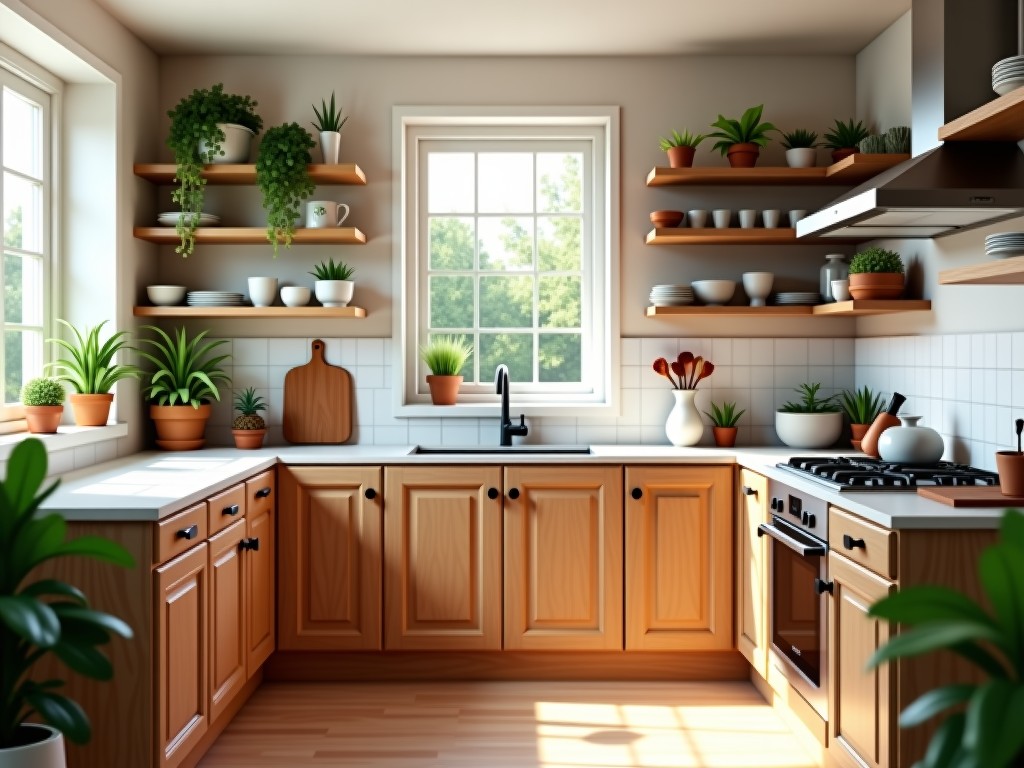
Garden Kitchen Cabinet: Engineered for Outdoor Culinary Environments
Outdoor kitchens demand cabinetry that withstands prolonged exposure to UV radiation, temperature fluctuations, moisture, and cleaning agents without structural compromise or aesthetic degradation. Standard indoor cabinet materials fail rapidly under these conditions, leading to delamination, corrosion, or finish breakdown. This article details the engineering considerations behind garden kitchen cabinets designed specifically for permanent or semi-permanent outdoor culinary installations.
Material Selection for Long-Term Outdoor Stability
The primary challenge in garden kitchen cabinetry is selecting materials that maintain dimensional stability and surface integrity when exposed to cycles of wetting and drying, thermal expansion, and UV radiation. Marine-grade polymers, specifically high-density polyethylene (HDPE) and polypropylene (PP) composites, are commonly used due to their inherent resistance to water absorption, chemical staining, and microbial growth. Unlike wood-based alternatives, these materials do not require sealing or periodic refinishing to prevent swelling or rot.
For applications requiring a premium aesthetic or integration with stone countertops, powder-coated aluminum frames with HDPE or solid polymer panels offer a hybrid approach. The aluminum provides structural rigidity and load-bearing capacity for heavy appliances, while the polymer components eliminate corrosion risks at joints and edges. Surface finishes are engineered to resist chalking and fading, with UV stabilizers integrated into the resin matrix during extrusion or molding.
Manufacturing Process and Structural Design
Garden kitchen cabinets are typically manufactured using CNC-routed or thermoformed polymer sheets for door and panel components, ensuring consistent wall thickness and edge quality. Frame assemblies, when used, employ T-slot aluminum extrusions or welded stainless steel (grade 304 or 316) for corner joints, allowing for modular expansion and precise alignment during installation. Drainage channels and ventilation gaps are incorporated into the base design to prevent water pooling and promote airflow behind the cabinetry.
Hardware selection is critical: hinges, handles, and drawer slides must be manufactured from marine-grade stainless steel or UV-stabilized nylon to avoid seizing or staining. Soft-close mechanisms are often specified to reduce impact stress on polymer components, which can be more sensitive to point loading than metal or wood. All fasteners are either countersunk or covered with matching polymer plugs to maintain a seamless surface and prevent water ingress points.
Typical Specifications and Performance Characteristics
| Specification | Typical Range / Value | Notes |
|---|---|---|
| Door Panel Thickness | 18–25 mm | Solid polymer or HDPE core; affects rigidity and impact resistance |
| Frame Material (if applicable) | Extruded aluminum (6063-T5) or 304 SS | Powder-coated or anodized for UV/salt resistance |
| Surface Finish | Matte, textured, or low-gloss UV-stabilized | Minimizes glare and hides surface scratches |
| Water Absorption (24h) | <0.01% by weight | Critical for preventing swelling and joint stress |
| UV Stability (ASTM G154) | >1500 hours with <5% color shift | Ensures long-term appearance in direct sunlight |
| Load Capacity (Shelf) | Up to 50 kg evenly distributed | Dependent on bracket design and material thickness |
Application Scenarios and Environmental Considerations
These cabinets are commonly integrated into outdoor kitchen islands adjacent to grills, sinks, and refrigeration units. In coastal environments, salt spray resistance becomes a key selection criterion, favoring 316 stainless steel frames or polymer-only constructions to avoid pitting corrosion. In regions with freeze-thaw cycles, materials must retain impact resistance at low temperatures — certain HDPE formulations remain ductile down to -40°C, while some polymers become brittle and prone to cracking.
Installation typically occurs on level concrete pads or adjustable pedestal systems to accommodate slight ground settlement. Electrical conduits and plumbing lines are routed through pre-drilled channels in the cabinet base or rear panel, preserving the integrity of the moisture barrier. Proper clearance behind the cabinetry is essential for ventilation, particularly when housing gas appliances or electrical components, to prevent heat buildup that could accelerate material degradation.
Customization Options and OEM Considerations
Customization extends beyond dimensions to include integrated features such as pull-out spice racks, waste bin compartments, condiment drawers with drainage, and appliance garages with roll-up doors. Mounting points for side burners, ice makers, or under-counter refrigerators are engineered into the frame during design, eliminating the need for field modifications. Color matching to surrounding hardscaping or architectural elements is achievable through pigmented resins or custom powder coating.
For OEM buyers, tooling costs for custom panel profiles or extrusion dies are amortized over production volume, with typical MOQs starting at 50 units for standard designs and 100+ for fully customized configurations. Lead times range from 4–6 weeks for stock configurations to 8–12 weeks for new tooling, depending on material availability and finish complexity. Packaging uses corner protectors, stretch wrap, and horizontal stacking in crates to prevent edge damage during transit, with ISTA 3A-rated protocols available upon request.
Quality Control and Long-Term Value
Quality assurance begins with incoming material testing for melt flow index, density, and UV stabilizer concentration. During production, dimensional checks are performed on CNC-cut panels using laser gauges, and weld integrity (for metal frames) is verified via dye penetrant testing. Final assembly includes functional testing of doors, drawers, and hardware under simulated load cycles to ensure smooth operation over time. These procedures reduce field failure rates and support warranty claims based on demonstrable performance rather than assumptions.
Unlike indoor cabinetry, outdoor units are not expected to undergo frequent aesthetic updates; therefore, longevity and minimal maintenance are primary value drivers. A well-engineered garden kitchen cabinet should require only periodic cleaning with mild soap and water, with no need for sealing, painting, or part replacement over a 10–15 year lifespan in moderate climates. This reduces total cost of ownership and minimizes disruption to the outdoor living space.