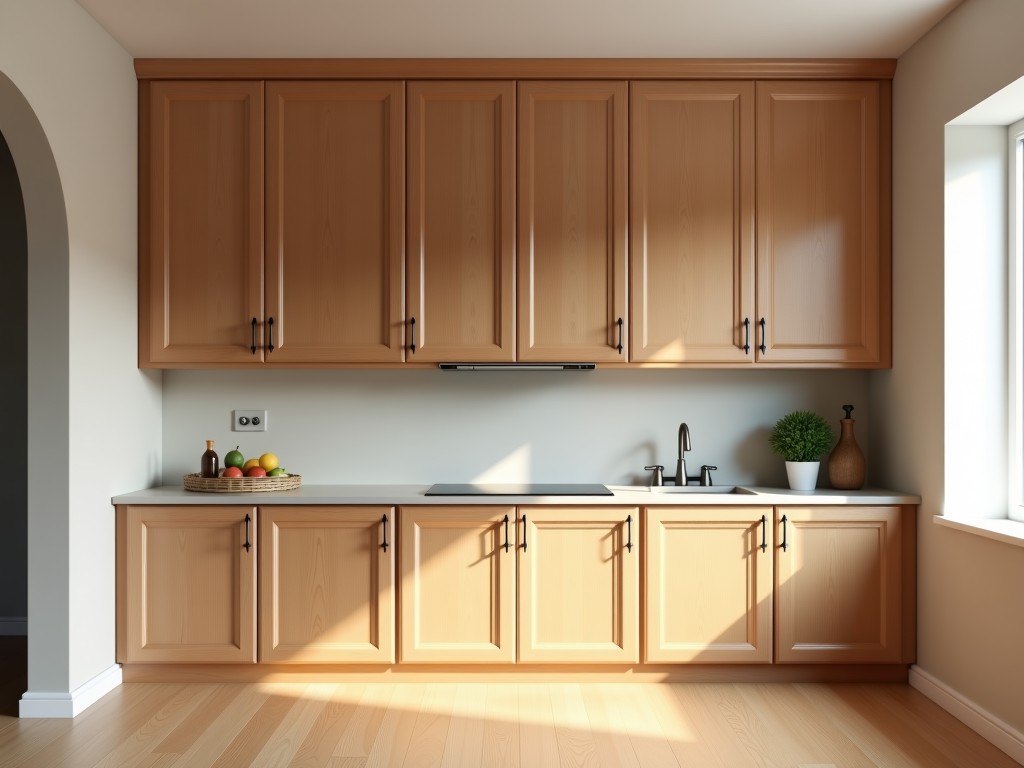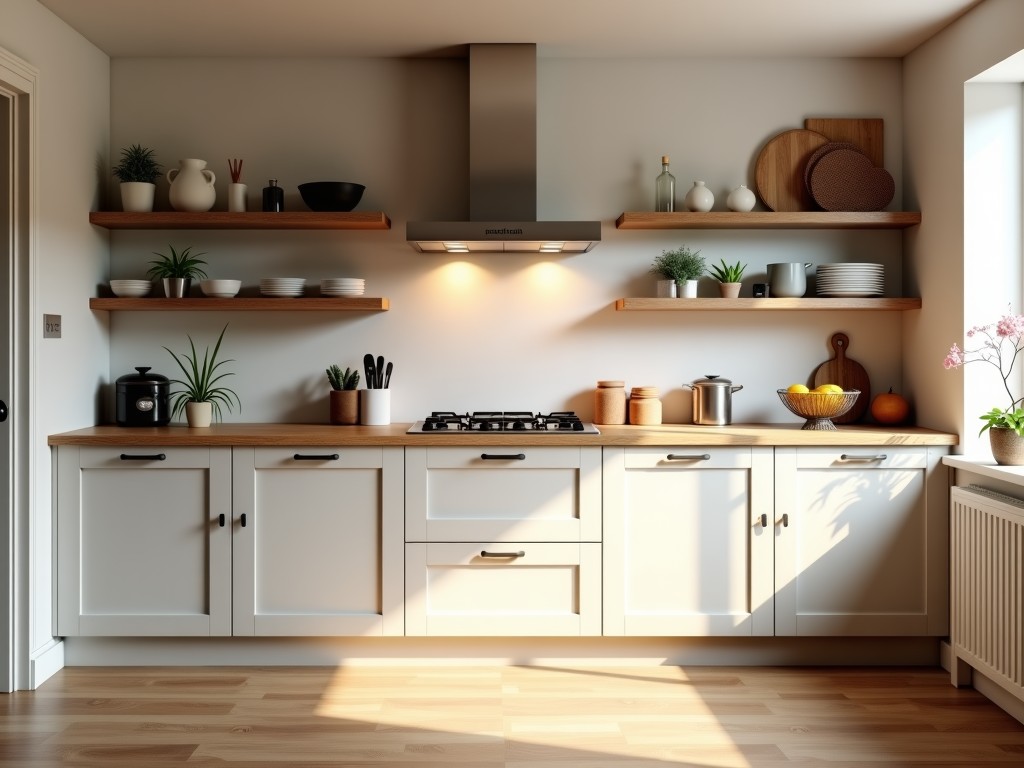
Fully Assembled Kitchen Cabinets Factory Sale
Fully Assembled Kitchen Cabinets Factory Sale
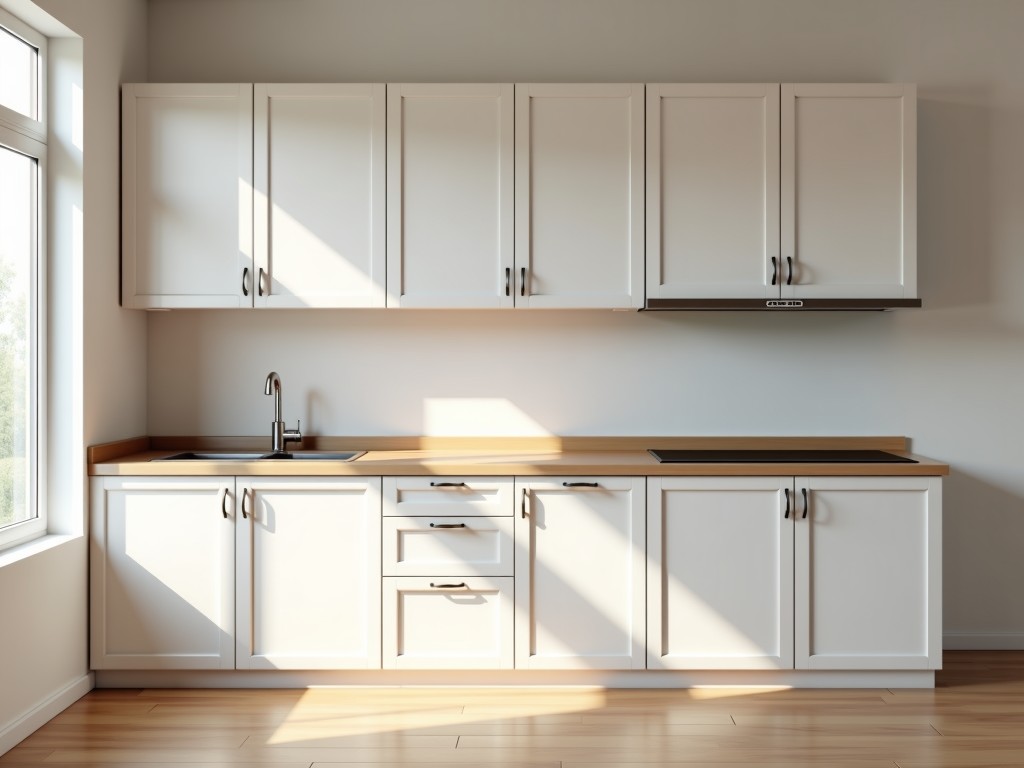
Fully Assembled Kitchen Cabinets for Industrial and Commercial Applications
In commercial kitchens, healthcare facilities, and institutional environments, cabinetry must withstand continuous use, frequent cleaning, and exposure to moisture and temperature variations. Fully assembled kitchen cabinets eliminate on-site construction variables, delivering dimensional stability and consistent finish quality from the factory to the installation point. This approach reduces labor dependency, minimizes field adjustments, and supports faster project completion—critical factors for procurement teams managing tight schedules and quality compliance.
Engineering Perspective: Factory Assembly vs. Field Construction
Field-assembled cabinets introduce variability through inconsistent adhesive application, screw alignment, and substrate preparation. Fully assembled units are built in controlled environments using precision joinery—such as dovetail or dado joints reinforced with mechanical fasteners and adhesive—ensuring square corners, uniform reveal lines, and predictable load distribution. This method minimizes racking and door misalignment over time, particularly important in high-cycle applications where cabinets are opened and closed hundreds of times daily.
Factory assembly also allows for full inspection of hardware function, drawer slide performance, and door alignment under simulated load conditions before shipment. Buyers receive units that have already undergone functional validation, reducing the risk of post-installation callbacks and rework.
Material Selection for Demanding Environments
Material choice directly impacts longevity, hygiene compliance, and resistance to common kitchen stressors. For wet zones such as dishwashing areas or food prep stations, marine-grade plywood with phenolic resin coating or PVC-laminated particleboard provides superior moisture resistance compared to standard MDF. In dry storage or administrative zones, urea-formaldehyde resistant MDF with melamine finish offers cost-effective stability and smooth surface quality for hinge and handle mounting.
Edge banding is applied using hot-melt or laser techniques to seal substrates against humidity ingress. For high-abuse areas, 2mm PVC or ABS edges resist chipping from cart impact. Stainless steel or aluminum frames may be specified for cleanroom or pharmaceutical applications where non-particulating surfaces are required.
Manufacturing Process and Quality Control
Production begins with CNC cutting of panels to ±0.5mm tolerance, ensuring consistent cabinet dimensions across batches. Hinge and slide mounting holes are drilled using automated boring machines with spindle speed control to prevent tear-out, particularly in laminated surfaces. Drawer boxes are assembled using dowel or screw fastening with glue application monitored for viscosity and spread rate.
Before packaging, each unit undergoes a 10-point inspection: diagonal measurement for squareness (<2mm deviation), door gap uniformity (2mm ±0.5mm), slide travel test (full extension without binding), hinge torque verification, and surface finish assessment under 500 lux lighting. Units failing any criterion are reworked or segregated.
Typical Specifications
| Parameter | Typical Range / Detail |
|---|---|
| Cabinet Depth | 600mm (standard base), 300mm (wall units) |
| Door Overlay | Full overlay (16mm reveal), partial overlay (8mm) |
| Drawer Load Capacity | 30–40kg per drawer (full-extension slides) |
| Hinge Type | Soft-close, 110° opening, 3-way adjustable |
| Shelf Adjustment | 32mm hole pattern, steel shelf pins |
| Finish Options | Melamine, PVC laminate, polyurethane paint, veneer |
| Assembly Method | Glue and mechanical fastener (dowels, screws, cam locks) |
| Packaging | Corner protectors, stretch wrap, cardboard sleeves, palletized |
Application Scenarios
In hospital cafeterias, cabinets are exposed to enzymatic cleaners and steam. Specifying PVC-laminated doors with sealed edges prevents delamination and microbial retention in seams. For school laboratories, chemical-resistant laminate surfaces and stainless steel interiors provide durability against spills and abrasion. In military commissaries, where impact resistance is critical, cabinets with reinforced frames and 18mm door thickness reduce deformation from cart collisions.
Modular design allows for reconfiguration as workflows change. Units can be disassembled and relocated without damaging joinery—a benefit over fixed millwork. This adaptability supports long-term asset value in facilities expecting layout updates every 5–7 years.
Customization Options
Beyond standard dimensions, buyers can specify:
- Internal accessories: pull-out trash bins, utensil trays, spice racks
- Lighting integration: LED strips with motion sensors
- Ventilation cutouts: for microwave or oven enclosures
- Hardware upgrades: soft-close dampers, touch-latch mechanisms
- Accessibility features: ADA-compliant heights and pull handles
Customization requires CAD files or detailed sketches. Tooling adjustments may affect lead time, but standard components maintain stable supply. Minimum order quantities vary by material finish and hardware type.
Packaging and Logistics
Cabinets are wrapped in protective film, corner-guarded, and placed in individual cardboard sleeves before palletizing. Each pallet includes a packing list with serial numbers linked to inspection reports. For export, ISPM-15 compliant pallets and humidity indicators are available upon request. Damage claims are rare due to rigid packaging, but buyers should inspect units upon receipt and report anomalies within 48 hours.
Installation and Maintenance
Installation requires only leveling and wall anchoring—no on-site assembly. Shims compensate for floor unevenness, and concealment strips cover gaps between units and walls. Adjustable legs (if specified) allow for 15mm vertical adjustment.
Routine maintenance involves cleaning with pH-neutral detergents and checking hinge tightness every six months. Avoid abrasive pads on laminated surfaces. Drawer slides benefit from annual lubrication with silicone-based spray. With proper care, functional lifespan exceeds 10 years in commercial settings.
Selection Guide for Procurement Teams
When evaluating suppliers, request:
- Material data sheets for substrate and laminate
- Test reports for moisture resistance (e.g., NEMA LD 3)
- Warranty terms covering finish adhesion and hardware function
Lead time typically ranges from 4 to 6 weeks for standard finishes, extending to 8–10 weeks for custom colors or special materials. Confirm packaging standards and export documentation needs early in the quotation process.
To discuss your project requirements, share your drawings or specifications with our engineering team for a detailed review and proposal.