Factory Direct Built In Kitchen Unit Prices
Factory Direct Built In Kitchen Unit Prices
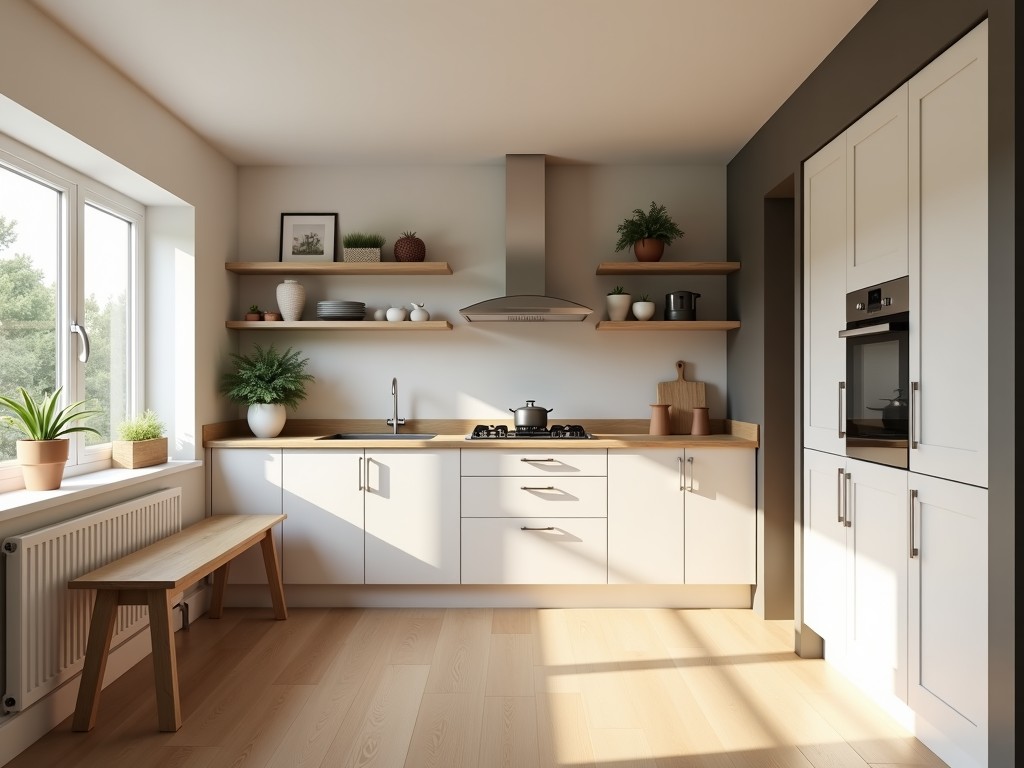
Built-in Kitchen Unit Pricing: Engineering Considerations for Commercial and Residential Projects
When evaluating built-in kitchen units for commercial installations, high-end residential projects, or multi-unit developments, procurement teams and design engineers focus on total lifecycle cost rather than upfront pricing alone. The final price reflects material selection, manufacturing precision, hardware specifications, finish durability, and installation complexity—factors that directly impact long-term performance in demanding environments.
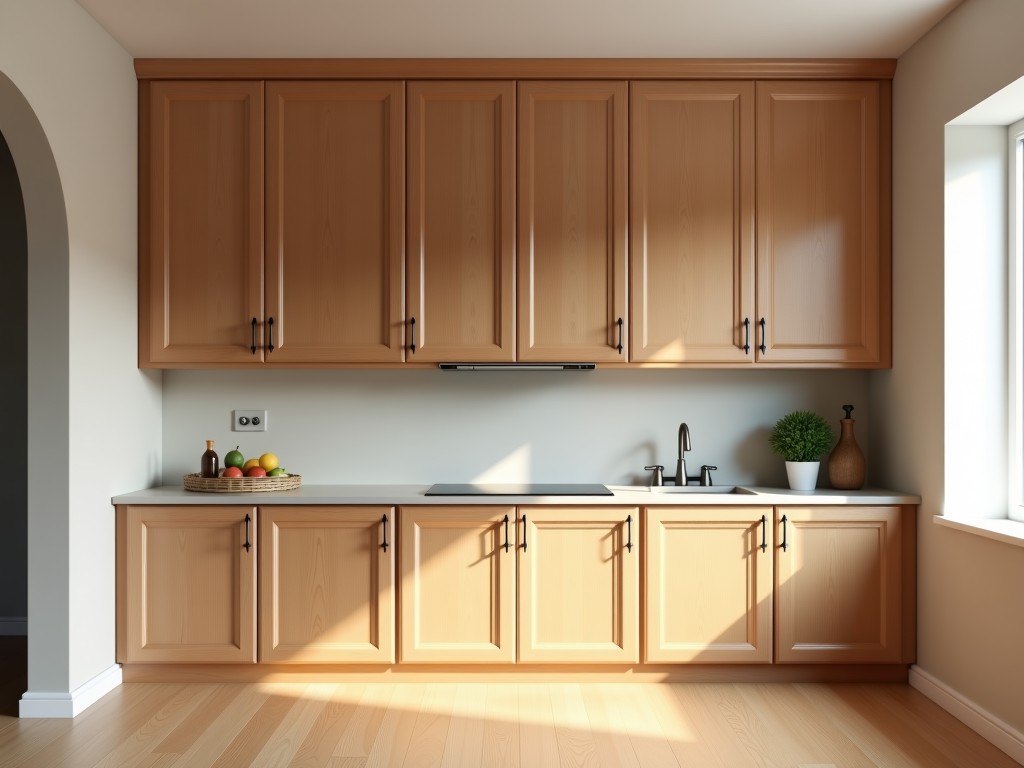
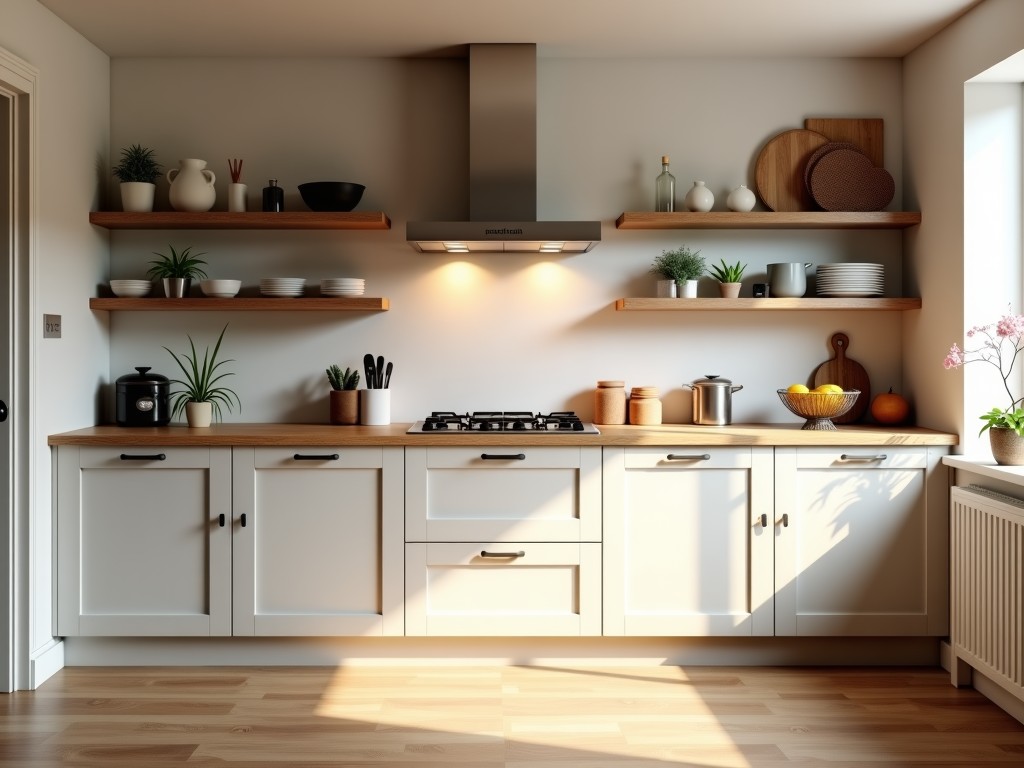
Unlike freestanding cabinetry, built-in units are engineered to integrate seamlessly with architectural elements, requiring tight dimensional tolerances (±0.5mm typical for cabinet carcasses) to ensure proper alignment with walls, floors, and adjacent fixtures. This precision affects both fabrication costs and field installation time, making early coordination with architects and contractors essential for accurate budgeting.
Material Selection and Cost Drivers
The substrate material represents the largest variable in built-in kitchen unit pricing. Common options include:
- Particleboard with melamine laminate: Most cost-effective for budget-conscious projects; typically 16-18mm thickness with edge banding; suitable for low-moisture areas
- MDF with polyurethane or acrylic finish: Preferred for high-end residential where seamless painted surfaces are required; offers superior machinability for routed details but requires edge sealing
- Plywood core with veneer or laminate: Balances stability and moisture resistance; cross-laminated construction minimizes warping in humid environments; 15-25mm thickness common
- Marine-grade plywood or moisture-resistant MDF: Specified for coastal installations or wet zones; adds 15-25% to base material cost but prevents delamination over time
Hardware selection significantly influences both cost and longevity. Soft-close hinges, full-extension drawer slides, and internal organizers add measurable value but increase unit price by 20-40% compared to basic components. For commercial kitchens, NSF-certified hardware and stainless steel interiors may be required, further affecting pricing structures.
Typical Specification Ranges and Associated Cost Factors
| Specification Category | Typical Range | Cost Impact Notes |
|---|---|---|
| Cabinet Carcass Thickness | 16mm (standard) to 25mm (premium) | Each mm increase adds ~3-5% to material cost; thicker panels reduce deflection in wide spans |
| Door Panel Construction | Slab, shaker, or raised profile; 18-22mm thick | Profile complexity increases machining time; solid wood doors cost 2-3x laminate equivalents |
| Interior Finish | Melamine, veneer, or laminate; light to dark tones | Light interiors show wear less visibly; textured finishes hide scratches but may increase cleaning effort in commercial settings |
| Countertop Integration | Pre-drilled for undermount/sink; edge profiles matched to countertop material | Precision CNC drilling adds setup cost but reduces field labor; mismatched profiles require costly field modifications |
| Hardware Grade | Basic to soft-close, push-to-open, or heavy-duty | Soft-close mechanisms add $8-15 per door/drawer; heavy-duty slides for pots/pans drawers cost 2x standard |
Note: Values represent typical industry ranges for mid-range projects. Final pricing depends on design complexity, quantity discounts, finish specifications, and regional labor rates for installation.
Manufacturing Process Implications on Price and Lead Time
Production methodology directly affects both unit cost and delivery timelines. Panel cutting accuracy, edge banding quality, and drilling precision determine how well components assemble in the field—impacting whether installation proceeds smoothly or requires costly adjustments.
CNC nesting optimization minimizes material waste but requires upfront programming time. For repeatable designs (e.g., hotel rooms, apartment units), this investment pays off through consistent quality and reduced scrap. Custom one-off designs incur higher engineering costs per unit due to unique tooling paths and setup changes.
Edge banding application method influences both appearance and durability. Hot-air or laser edge banding creates seamless bonds resistant to delamination, particularly important in high-humidity environments. While these methods add 10-15% to edge processing cost versus basic glue-on bands, they significantly reduce field failure rates.
Lead times typically range from 3-6 weeks for standard designs after drawing approval, extending to 8-12 weeks for highly customized projects involving special materials, imported hardware, or complex finish sequences. Early engagement with manufacturers allows for value engineering opportunities that can optimize cost without compromising performance.
Installation and Field Considerations Affecting Total Project Cost
The quoted unit price often excludes installation, which can represent 30-50% of total built-in kitchen expenditure. Factors influencing field labor costs include:
- Wall and floor flatness: Uneven substrates require shimming or scribing, adding 2-4 hours per cabinet run
- Service integration: Electrical, plumbing, and ventilation cutouts must align precisely with cabinet interiors
- Access constraints: High-rise installations or limited elevator access increase handling time and risk of damage
- Protection requirements: Finished installations often need temporary protection during other trades' work
To minimize surprises, procurement teams should request detailed installation guides and clearance requirements early in the design phase. Some manufacturers offer factory pre-assembly of cabinet frames, reducing field labor by 20-30% though increasing packaging and handling considerations.
Value Engineering Opportunities Without Compromising Performance
Experienced buyers identify cost savings through informed trade-offs rather than blanket specification reductions. Examples include:
- Selecting moisture-resistant MDF only for sink base cabinets while using standard carcass material elsewhere
- Opting for veneer over solid wood for painted doors where grain show-through is undesirable
- Specifying full-extension slides for frequently accessed drawers (utensils, spices) while using standard extension for less-used spaces
- Choosing laminate interiors for cabinets storing non-food items, reserving easier-to-clean surfaces for food preparation zones
Volume pricing becomes significant at quantities exceeding 10-15 units, where manufacturing efficiencies reduce per-unit costs. Developers and hotel chains often benefit from framework agreements that lock in pricing while allowing for minor design variations across phases.
Requesting Accurate Quotations: Information Procurement Teams Should Provide
To receive comparable, actionable quotes, suppliers require specific technical details beyond square footage or linear meter measurements. Essential information includes:
- Detailed elevations and sections showing all cabinet runs, heights, and depths
- Material specifications for carcasses, doors, drawer fronts, and interiors
- Hardware preferences or performance requirements (e.g., load capacity, closing speed)
- Finish samples or references for color matching
- Integration points with appliances, countertops, and architectural features
- Project timeline and delivery address for logistics planning
Providing this level of detail enables manufacturers to calculate accurate material yields, hardware requirements, and processing times—resulting in quotes that reflect true project costs rather than placeholder estimates. It also reduces the likelihood of change orders during production.
Built-in kitchen unit pricing reflects a complex interplay of material science, precision manufacturing, and installation practicality. Rather than focusing solely on per-unit cost, successful procurement strategies evaluate total value: how well the units perform in their intended environment, how long they maintain appearance and function, and how smoothly they integrate into the broader construction timeline.
For project-specific pricing discussions or to review detailed specifications for your application, our engineering team is available to analyze your requirements and provide a customized proposal based on actual design documents.
Share your drawings or specifications for a customized proposal.