Direct Factory Kitchen Cabinet Built In Spice Rack
Direct Factory Kitchen Cabinet Built In Spice Rack
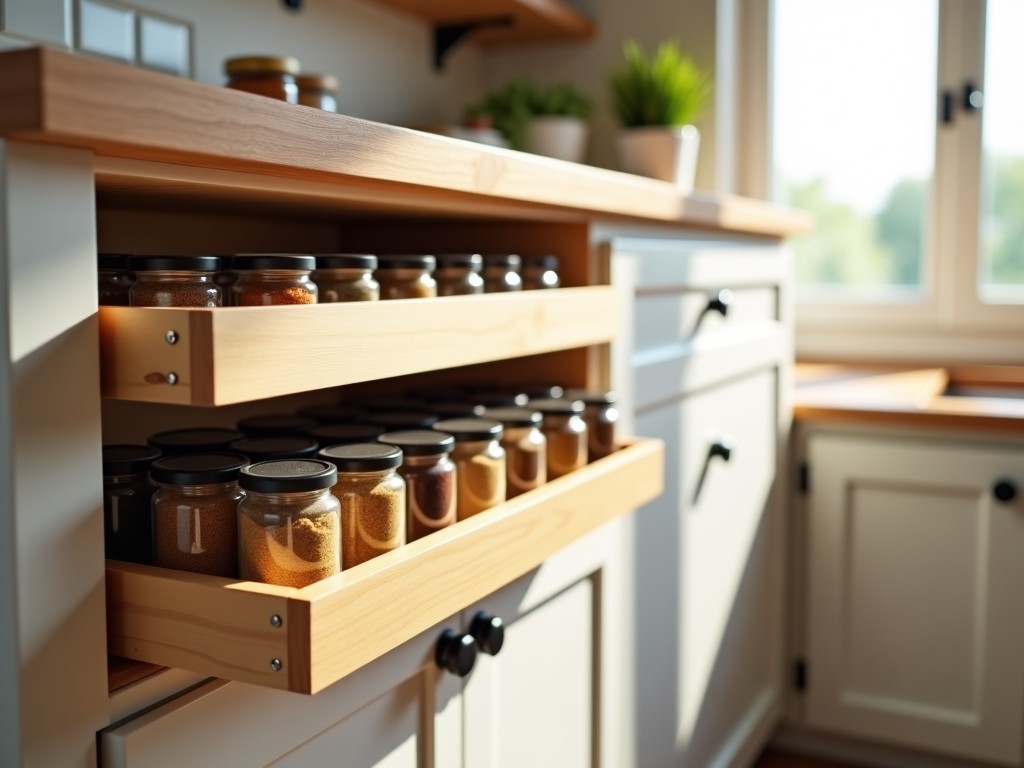
Built-In Spice Rack for Kitchen Cabinets
When designing modular kitchen systems or retrofitting existing cabinetry, engineers and procurement teams frequently encounter challenges related to efficient space utilization and ergonomic access to frequently used ingredients. A built-in spice rack integrated directly into the cabinet structure addresses these concerns by providing organized storage without sacrificing usable interior volume or requiring additional countertop footprint. This solution is particularly valuable in high-throughput environments such as commercial kitchens, institutional food service facilities, and premium residential installations where workflow efficiency and hygiene are critical.
Engineering Perspective: Space Optimization and Accessibility
Unlike freestanding organizers or pull-out baskets that rely on external hardware and consume valuable drawer or shelf space, a built-in spice rack is fabricated as an integral component of the cabinet carcass. This integration eliminates play, reduces installation complexity, and ensures long-term alignment stability. The rack typically occupies the vertical space between two adjustable shelves or within a dedicated narrow cavity (commonly 60–90 mm wide), utilizing otherwise underused zones. By positioning spices at eye level and within easy reach, it minimizes bending and reaching motions, directly supporting ergonomic principles in kitchen design standards such as those referenced in ISO 9241-5 and ANSI/HFES 100.
Material Selection: Durability and Hygiene in Demanding Environments
Material choice directly impacts performance, maintenance requirements, and suitability for specific environments. For residential and light commercial applications, high-density fiberboard (HDF) or moisture-resistant particleboard with a melamine-faced finish provides adequate rigidity and resistance to occasional humidity fluctuations. In commercial kitchens, laboratories, or food processing areas where exposure to steam, cleaning agents, and temperature variations is frequent, marine-grade plywood or polypropylene (PP) copolymer offers superior dimensional stability and chemical resistance. Stainless steel (grade 304) inserts or liners may be specified where direct contact with wet containers or rigorous sanitation protocols (e.g., HACCP) are required, as they resist corrosion and facilitate cleaning without degradation.
Manufacturing Process: Precision and Consistency
Production begins with CNC routing of panel components to tight tolerances (±0.5 mm), ensuring square edges and accurate dado or groove formation for shelf support. Edges are sealed with heat-activated PVC or ABS edge banding to prevent moisture ingress and delamination — a critical step in humid environments. For metal variants, laser cutting and CNC bending maintain positional accuracy of dividers and mounting flanges. Assembly typically involves cam-lock fasteners or confirmat screws for field-installable units, while OEM-integrated versions may use pre-drilled dowel holes and wood glue for permanent fixation. Every unit undergoes a squareness check and load simulation test (up to 5 kg dynamic load) before packaging to verify functional integrity.
Typical Specifications
| Parameter | Typical Range / Option |
|---|---|
| Overall Width | 60–90 mm (customizable) |
| Height | Matches cabinet interior (typically 600–900 mm) |
| Depth | 100–120 mm (standard spice jar clearance) |
| Load Capacity per Shelf | Up to 1.5 kg (static) |
| Divider Thickness | 6–12 mm (material-dependent) |
| Finish Options | Melamine, HPL, veneer, powder-coated steel, food-safe PP |
| Mounting Method | Cam-lock, confirmat, dowel & glue, or magnetic retention (metal) |
Application Scenarios: Where Integration Delivers Value
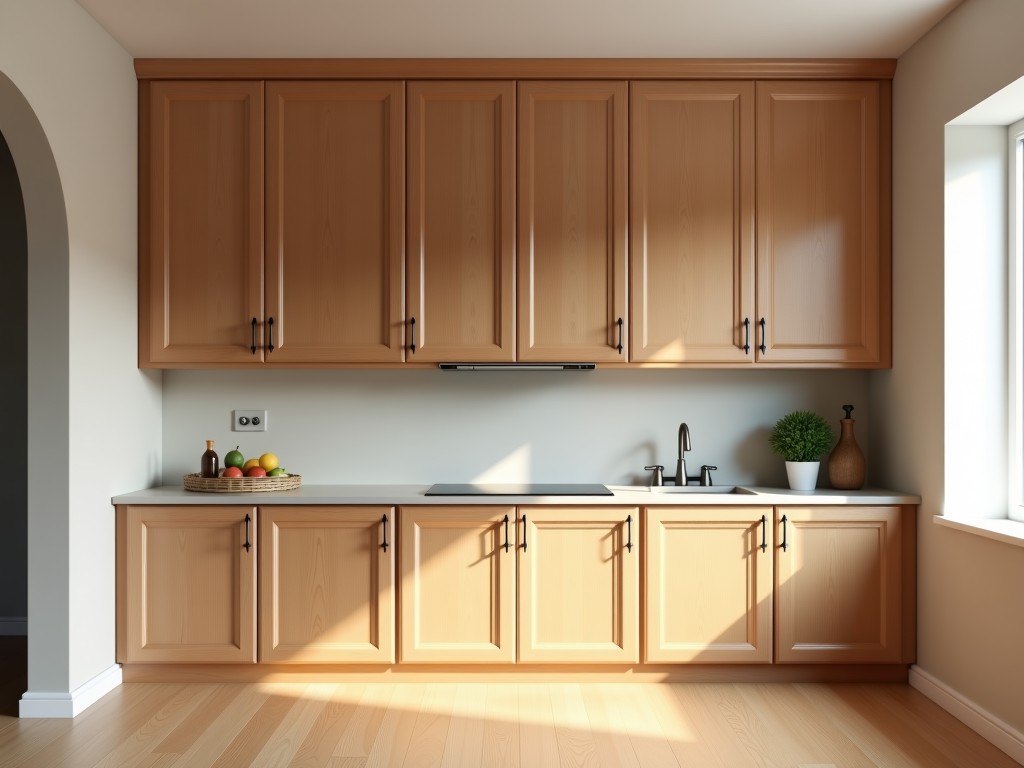
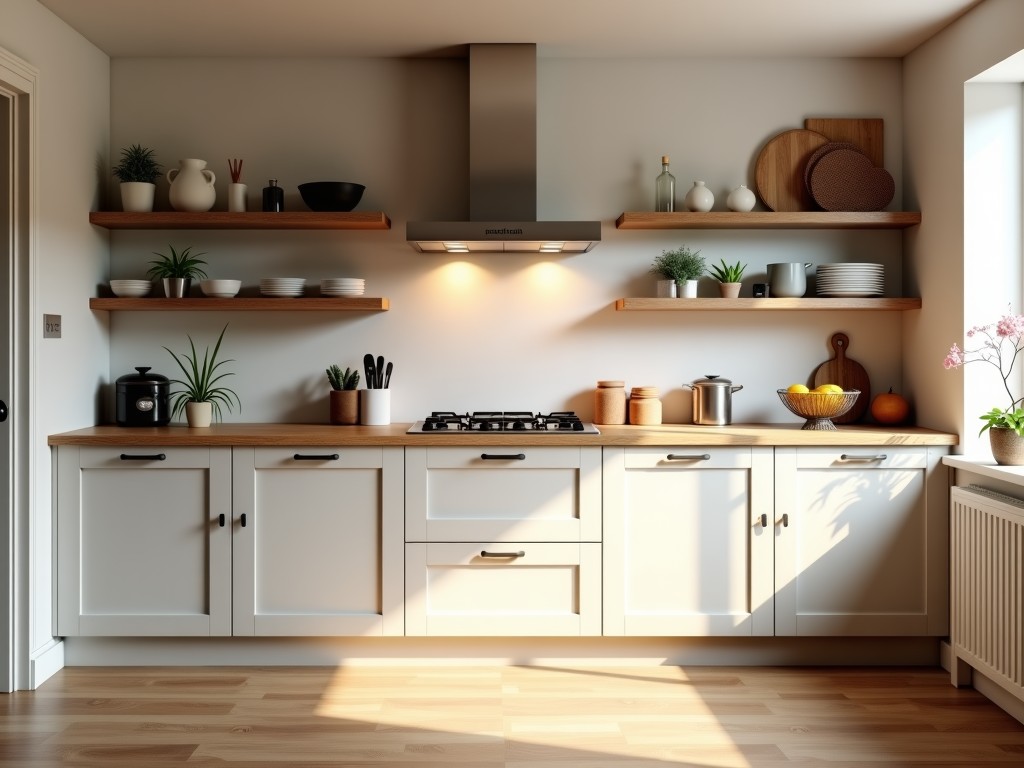
In residential luxury kitchens, built-in spice racks are commonly installed within pull-out base cabinets or tall larder units, enabling full visibility and access without disrupting the clean lines of frameless (European-style) cabinetry. In commercial settings such as hotel banquet kitchens or hospital dietary departments, they are often integrated into mobile prep stations or fixed wall cabinets adjacent to cooking zones, reducing motion waste during mise en place. For OEMs producing modular kitchen systems, offering this feature as a standardized cavity with optional inserts allows for mass customization — end users can select materials, finishes, and divider configurations based on their specific storage needs without altering the core cabinet design.
Customization Options: Adapting to Project Requirements
Customization begins at the design phase, where cavity width, divider spacing, and shelf count are adjusted to accommodate specific spice container diameters (typically 45–65 mm) and quantities. Dividers can be fixed or adjustable, with the latter using sliding dovetails or pin-hole systems for reconfiguration. Surface finishes are matched to the parent cabinet using standardized color codes (e.g., NCS, RAL, or manufacturer-specific palettes). For environments requiring frequent deep cleaning, seamless welded stainless steel versions with rounded internal corners eliminate crevices where debris can accumulate. Lead time for customized units typically ranges from 10 to 20 business days, depending on material availability and finish complexity, with samples available upon request for validation.
Quality Control and Packaging
Each unit undergoes a three-point inspection: dimensional verification against CAD models, surface finish consistency check under standardized lighting, and functional test with weighted spice simulators. Packaging uses corrugated cardboard with internal corner protectors and polyethylene sleeves to prevent edge chipping and surface abrasion during transit. For export shipments, units are packed in ISPM-15 compliant cartons with desiccant packs and humidity indicators when destined for high-moisture climates. Barcoded labels include SKU, material code, finish specification, and QC inspector ID for traceability.
Installation and Maintenance
Field-installable kits include pre-drilled mounting holes, fastening hardware, and an installation guide specifying torque values for cam-lock fasteners (typically 0.8–1.2 Nm) to prevent over-tightening and substrate damage. Units designed for OEM integration are delivered as sub-assemblies with alignment pins to ensure correct positioning during cabinet assembly. Maintenance requires only periodic wiping with a neutral pH cleaner; abrasive pads and solvents should be avoided on melamine or veneer surfaces. Stainless steel variants may be cleaned with approved food-safe detergents and rinsed with deionized water to prevent spotting.