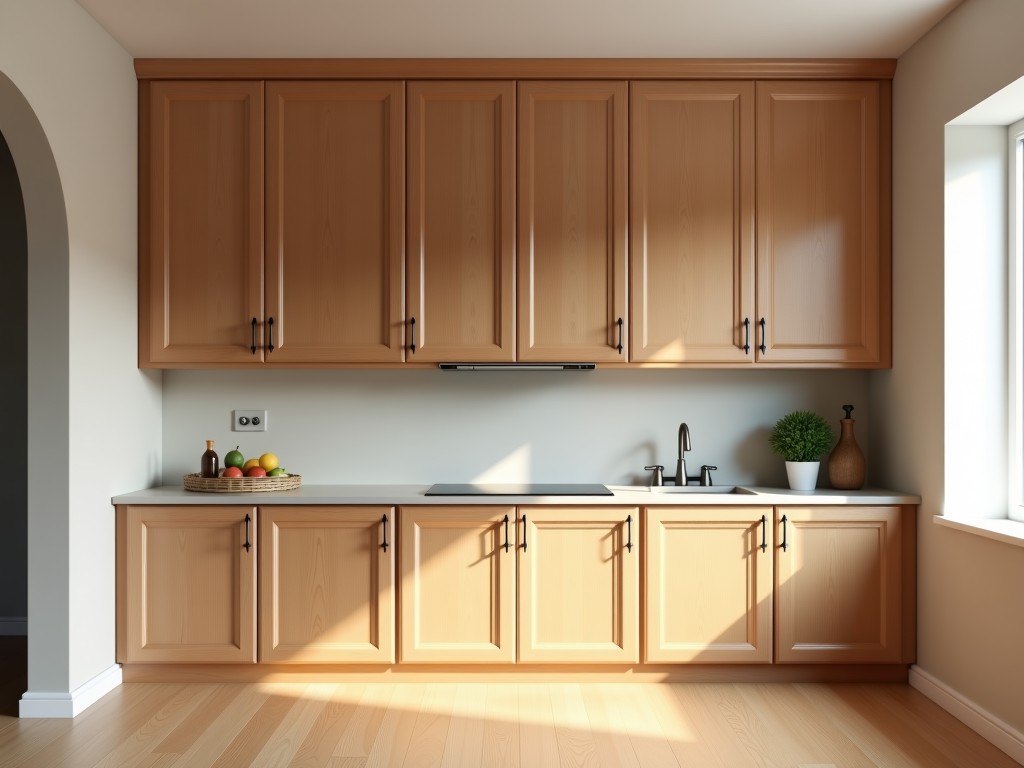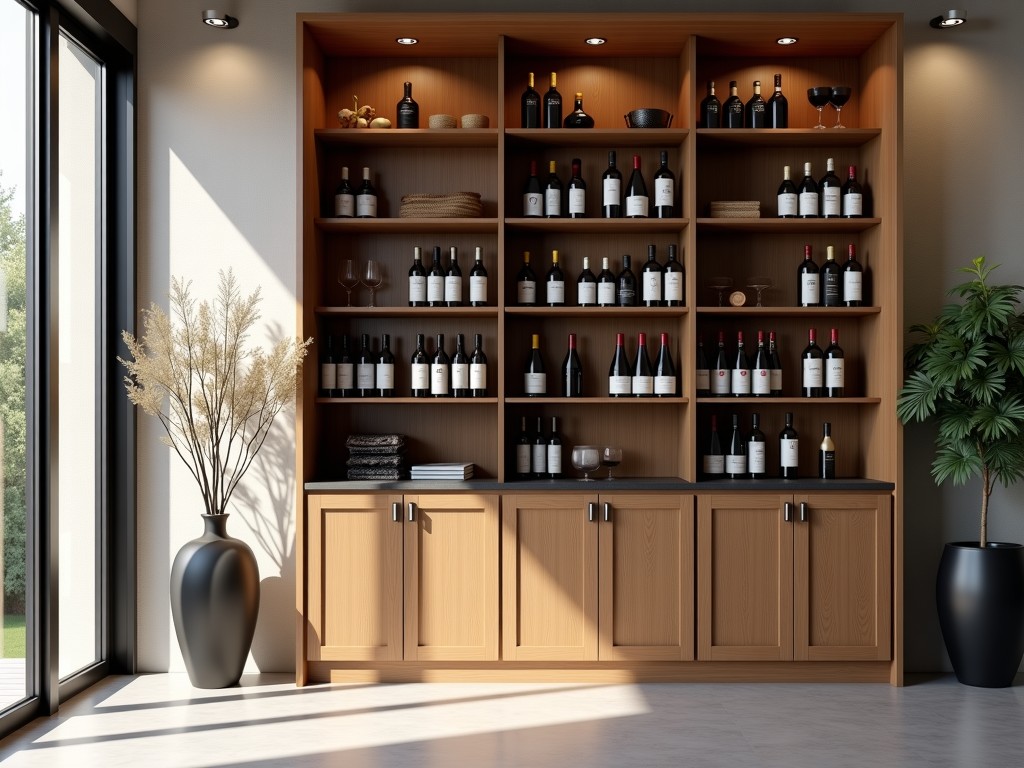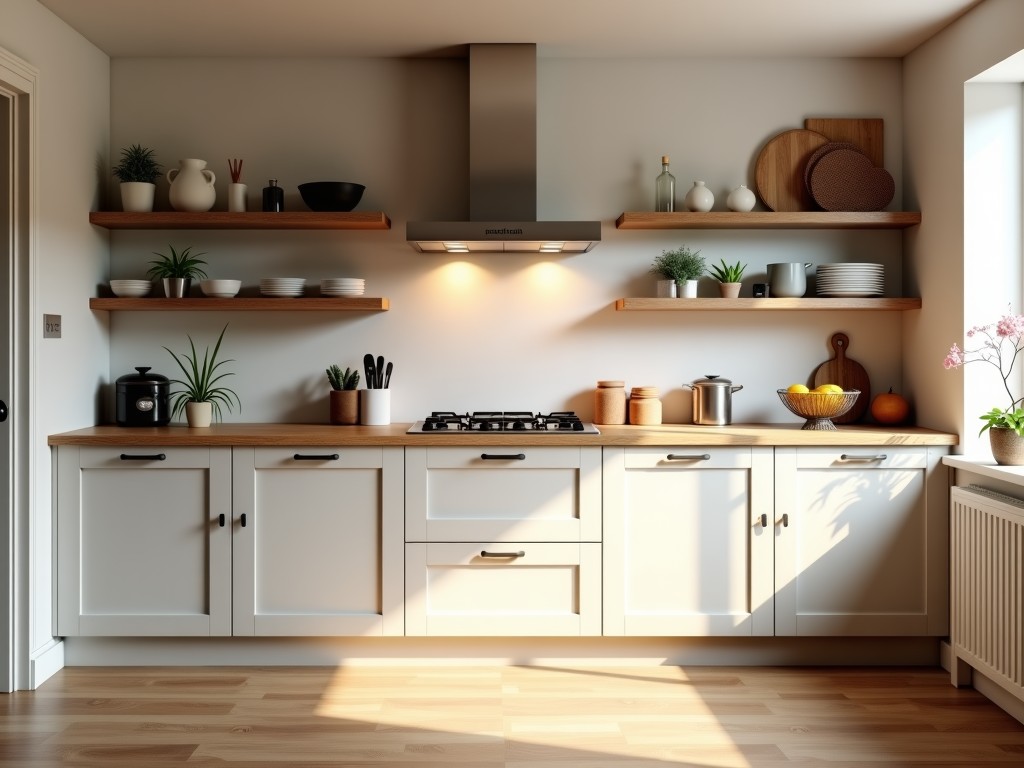
Custom Storage Cabinets
Custom Storage Cabinets
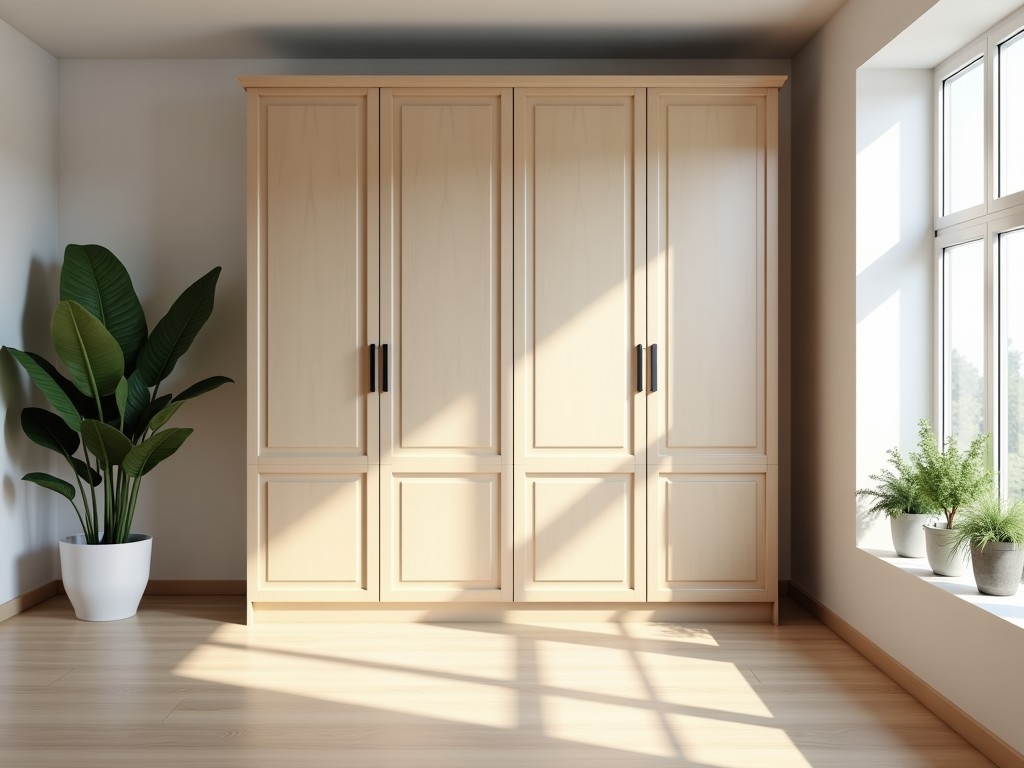
Custom Storage Cabinets for Industrial Environments
In manufacturing facilities, workshops, and distribution centers, storage solutions must endure daily operational stress while maintaining precise organization. Off-the-shelf cabinets often fail to meet specific spatial constraints, load requirements, or environmental conditions, leading to inefficient workflows, premature wear, or safety concerns. Custom storage cabinets address these challenges by aligning design, material, and construction with the exact demands of the application — whether for tool organization, component staging, or hazardous material containment.
Engineering Perspective: Designing for Load and Environment
Unlike residential or office storage, industrial cabinets must support static and dynamic loads — from heavy dies and molds to frequent opening and closing cycles. The structural integrity begins with frame design: vertical uprights and horizontal rails are sized based on anticipated load distribution, deflection limits, and anchorage requirements. For example, a cabinet intended to hold 500 kg per shelf requires thicker gauge steel or reinforced framing to prevent sag over time, especially in environments with vibration from nearby machinery.
Environmental factors further influence material and finish selection. In areas with high humidity, chemical exposure, or temperature fluctuations, standard powder-coated steel may corrode or degrade. Instead, galvannealed steel, stainless steel (grades 304 or 316), or epoxy-coated surfaces provide resistance to rust and chemical attack. For cleanroom or food processing applications, seamless interiors with rounded corners and non-particulating finishes minimize contamination risks.
Material Selection: Matching Properties to Application
The choice of material affects not only durability but also weight, cost, and compatibility with downstream processes. Cold-rolled steel is commonly used for general industrial storage due to its strength-to-weight ratio and ease of forming. When weight reduction is critical — such as in mobile carts or overhead systems — aluminum alloys (e.g., 5052 or 6061-T6) offer comparable stiffness with lower density, though they require thicker sections to match steel’s load capacity.
For corrosive environments, stainless steel provides inherent resistance without relying on coatings that can chip or wear. Grade 304 suits most indoor industrial settings, while grade 316 is preferred for marine, chemical washdown, or high-chloride areas. Surface treatments like passivation enhance corrosion resistance further. In non-metallic applications, high-density polyethylene (HDPE) or polypropylene cabinets resist acids, solvents, and impact, making them suitable for battery storage or chemical handling zones.
Manufacturing Process: Precision and Repeatability
Custom cabinets are typically fabricated using CNC punching, laser cutting, and press braking to achieve tight tolerances on panel dimensions, hole patterns, and bend angles. This ensures consistent fit between doors, shelves, and frames — critical for proper sealing, alignment, and long-term usability. Welding is minimized in favor of mechanical fastening (e.g., clinching, riveting, or threaded inserts) where disassembly or modification may be needed; when welding is required, TIG or MIG processes are selected based on material thickness and desired appearance.
Surface preparation follows strict protocols: degreasing, phosphating, and rinsing before powder coating or liquid painting. Coating thickness is monitored to meet corrosion resistance standards (e.g., ASTM B117 salt spray testing), with typical dry film thicknesses ranging from 60 to 120 micrometers depending on the environment. For stainless steel, electropolishing may be specified to improve cleanability and reduce surface roughness.
Typical Specifications: Configurable to Project Needs
| Attribute | Typical Range / Options | Notes |
|---|---|---|
| Overall Dimensions (H x W x D) | 500–2200 mm × 400–1200 mm × 400–800 mm | Customizable per site layout; modular systems available |
| Frame Material | Cold-rolled steel, galvannealed, stainless steel (304/316), aluminum | Selected based on load, environment, and weight constraints |
| Shelf Load Capacity | 100–800 kg per shelf (UDL) | Dependent on material thickness, support spacing, and reinforcement |
| Door Type | Swing, sliding, lift-up, removable panels | Chosen for access frequency, space constraints, and ergonomics |
| Surface Finish | Powder coating (epoxy, polyester, hybrid), e-coating, passivation, brushed | Thickness and type tailored to corrosion, abrasion, and hygiene needs |
| Accessories | Drawers, dividers, label holders, leveling feet, casters, locks, grounding points | Configured per workflow and safety requirements |
Application Scenarios: Where Customization Adds Value
In automotive assembly lines, custom cabinets are designed to hold specific tool sets for each workstation, with dimensions matching the reach envelope of operators and load ratings suited for impact wrenches and torque devices. Lockable compartments prevent unauthorized access, while conductive grounding straps protect sensitive electronic tools from electrostatic discharge.
In pharmaceutical manufacturing, cabinets for storing raw materials or intermediates are built with 316 stainless steel interiors, sloped tops to prevent dust accumulation, and sealed gaskets to meet ISO 14644 cleanroom classifications. Adjustable shelving allows reconfiguration as batch sizes change, and passivated surfaces withstand frequent sanitization with hydrogen peroxide or alcohol-based agents.
For outdoor or semi-outdoor installations — such as equipment yards or maintenance bunkers — cabinets use UV-stable powder coatings, overhanging roofs, and drainage channels to prevent water pooling. Sealed conduit entries protect internal wiring for lighting or monitoring systems, and corrosion-resistant hinges maintain operation after years of exposure.
Customization Options: Tailoring to Workflow
Customization begins with understanding the operational sequence: what items are stored, how frequently they are accessed, who handles them, and what risks are involved. This informs decisions on shelf adjustability, door orientation, access height, and integration with conveyors or workbenches. For example, a cabinet used for kitting small parts may feature shallow drawers with anti-static liners and angled fronts for easy visibility, while one for large molds requires wide-opening doors and reinforced shelves with deflection limits under 2 mm under full load.
Electrical provisions — such as internal lighting, power outlets, or data ports — can be incorporated during fabrication to avoid retrofitting. Locking mechanisms range from basic cam locks to electronic access control systems with audit trails, depending on security needs. Ventilation panels or filtered vents are added when storing batteries, solvents, or heat-generating equipment to manage off-gassing or temperature buildup.
Packaging and Logistics: Ensuring Integrity in Transit
Large or heavy cabinets are typically crated on pallets with corner protectors, edge guards, and stretch wrapping to prevent shifting during transport. Disassemblable designs — such as knock-down frames with bolt-together assembly — reduce packaging volume and simplify handling in facilities with restricted access. Each unit includes detailed assembly instructions, hardware kits, and loading labels to ensure correct orientation and prevent installation errors.
For export shipments, packaging meets ISPM 15 standards for wood treatment, and moisture barriers are included for long-haul or high-humidity routes. Fragile components like glass doors or digital locks are isolated in foam inserts and marked with handling instructions. Upon arrival, customers can inspect for transit damage using standardized checklists before signing off on delivery.
Quality Control: Consistency Across Production Runs
Dimensional accuracy is verified at multiple stages: after cutting, after bending, and before final assembly. Fixtures and gauges ensure hole patterns align within ±0.5 mm and diagonal measurements confirm squareness. Finish quality is assessed under standardized lighting for gloss, adhesion, and uniformity, with cross-hatch testing (ASTM D3359) to validate coating bond strength.
Load testing is performed on sample units to validate shelf capacity and deflection limits under simulated real-world conditions. For critical applications, third-party inspection or witness testing may be arranged upon request. All materials are accompanied by mill test reports (MTRs) when required, and traceability is maintained from raw material receipt to final shipment.
Selection Guide: Key Considerations for Buyers
When evaluating suppliers, focus on their ability to translate operational requirements into engineered solutions — not just fabricate boxes. Ask about their experience with similar applications, material sourcing practices, and quality validation procedures. A reliable partner will provide DFM (design for manufacturability) feedback early, highlighting trade-offs between cost, lead time, and performance — such as whether a formed corner adds stiffness without increasing welding complexity.
Lead times vary based on material availability, complexity of features, and current production load. Standard configurations in common materials may ship in 2–4 weeks, while highly customized units with special finishes or integrated systems can take 6–10 weeks. Clear communication of milestones — design approval, material cutoff, production start, and shipment — helps align expectations and avoid delays.
To discuss your specific storage challenges — whether for tool control, material staging, or environmental containment — share your layout drawings, load requirements, and environmental conditions. Our engineering team will review the details and provide a customized proposal addressing material selection, structural design, and integration considerations.