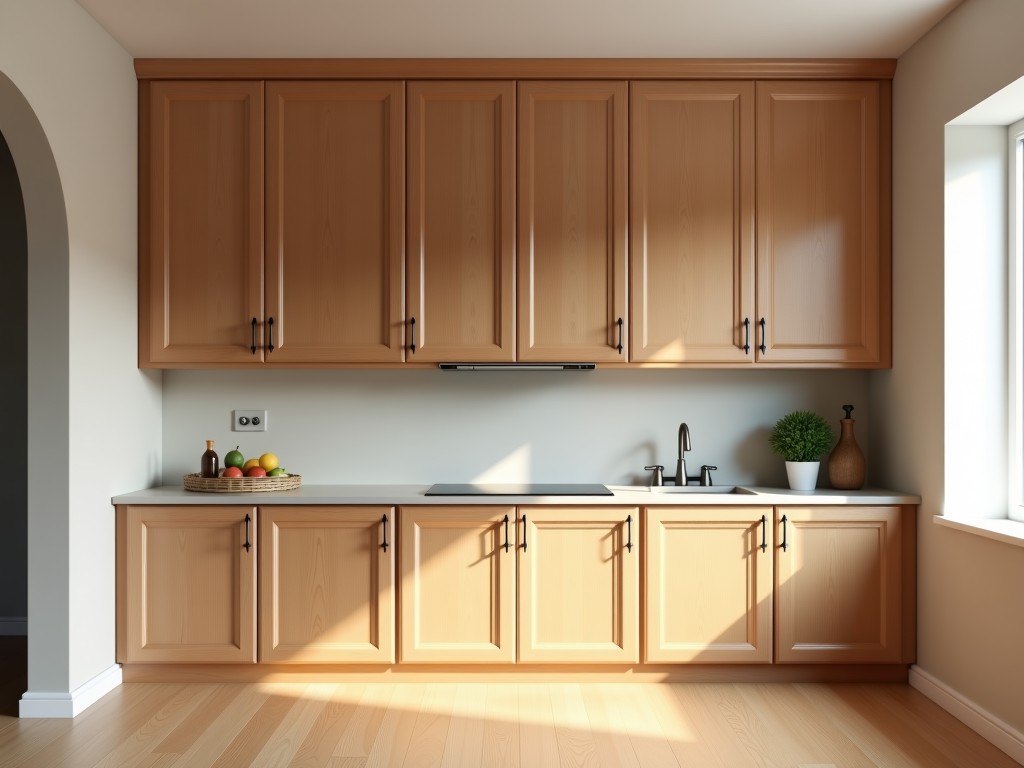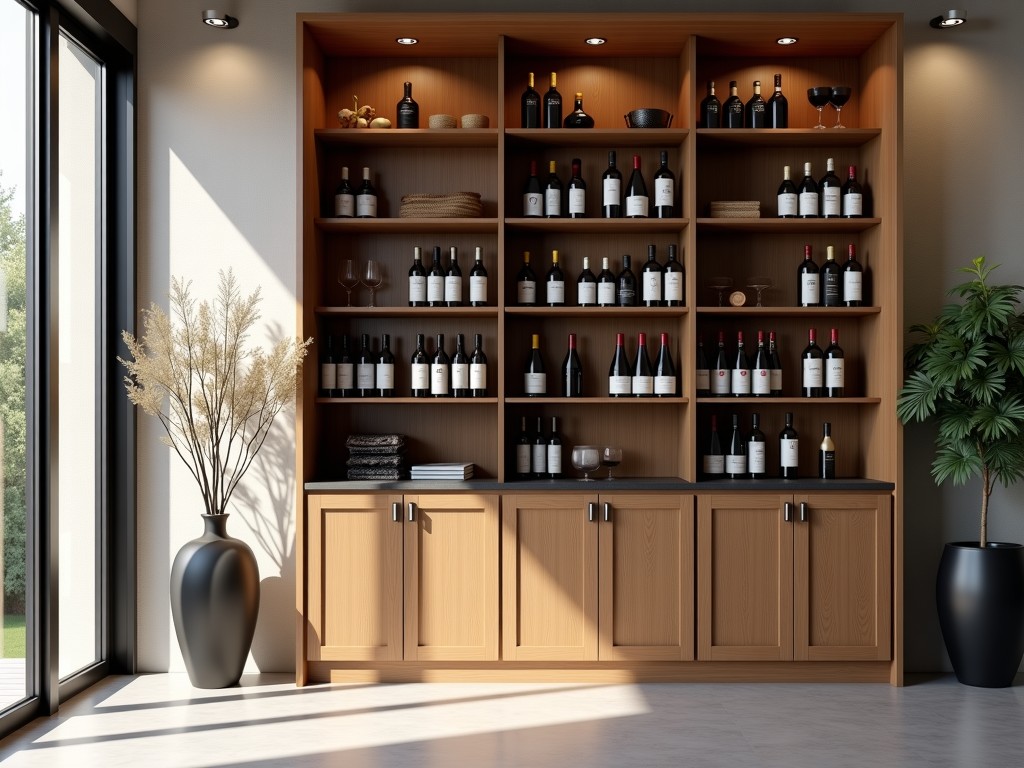
Custom Built Liquor Cabinets
Custom Built Liquor Cabinets
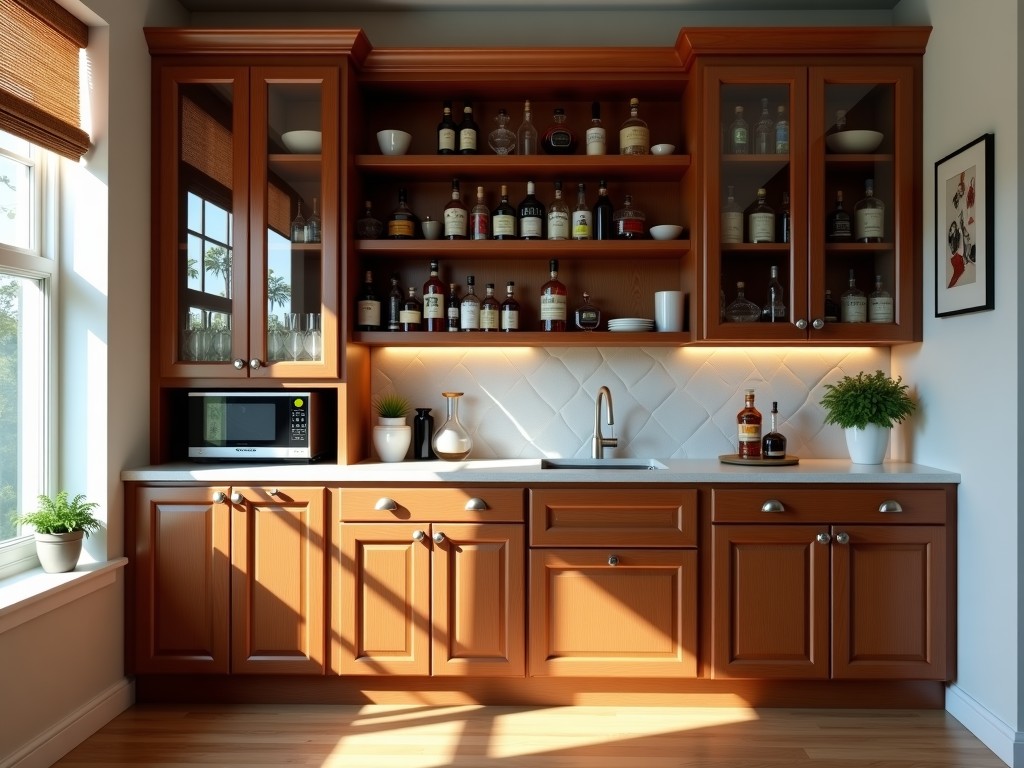
Custom Built Liquor Cabinets for Commercial Hospitality Environments
In high-volume bars, restaurants, and hotel lounges, storage solutions must withstand constant use, temperature fluctuations, and rigorous cleaning protocols while maintaining precise bottle organization and visual presentation. Off-the-shelf cabinets often lack the dimensional accuracy, material resistance, or interior configuration needed for efficient bar operations, leading to workflow interruptions, premature wear, or compliance issues with health and safety standards.
Custom built liquor cabinets are engineered to address these challenges by aligning cabinet geometry, material selection, and hardware specifications with the specific operational demands of the venue. Rather than adapting workflow to fit generic storage, the cabinet is designed around the bar’s layout, service flow, and inventory management practices, ensuring bottles remain accessible, secure, and properly conditioned during peak hours.
Material Selection for Longevity in Wet and High-Traffic Zones
The primary materials used in commercial liquor cabinet construction are selected based on resistance to moisture, alcohol vapors, frequent wiping with sanitizers, and mechanical stress from bottle handling. Marine-grade plywood with phenolic backing is commonly specified for carcass components due to its dimensional stability and resistance to delamination in humid environments. For exterior surfaces exposed to direct contact or frequent cleaning, 304-grade stainless steel or high-pressure laminate (HPL) with sealed edges provides a non-porous, chemical-resistant finish that maintains appearance over years of use.
Interior shelving and dividers often utilize acrylic or tempered glass to allow visibility while resisting staining from spills. These materials are chosen not only for durability but also for ease of cleaning—critical in environments where health inspectors evaluate surface hygiene during routine audits. Edge banding on wooden components uses PVC or ABS with heat-activated adhesive to prevent moisture ingress at joints, a common failure point in lower-quality builds.
Engineering Considerations for Operational Efficiency
Cabinet depth, shelf height, and bottle spacing are determined through analysis of the venue’s most frequently used spirits, wine bottles, and glassware dimensions. Standard 750ml bottles require a minimum clearance of 90mm vertically and 80mm horizontally to allow smooth retrieval without tilting or contact with adjacent units. For specialty bottles such as magnums or craft spirits with non-standard profiles, adjustable shelving systems with tool-free repositioning are integrated to accommodate future inventory changes without requiring cabinet modification.
Ventilation is another critical factor. Enclosed cabinets storing bottles at room temperature can experience minor temperature rise due to ambient lighting or proximity to equipment. Passive airflow channels are incorporated into the design to prevent heat buildup that could affect product quality over time, particularly for temperature-sensitive liqueurs or vermouths. In climate-controlled environments, cabinets may be designed to integrate with existing HVAC zoning to maintain consistent storage conditions.
Manufacturing Process and Quality Control
Each cabinet begins with detailed CAD modeling based on site measurements, bar elevation drawings, and client-specified workflow requirements. CNC routing ensures precise cutting of panel components to tolerances within ±0.5mm, maintaining alignment during assembly and preventing gaps that could harbor contaminants. Edge sealing is performed using hot-air welding for HPL or ultrasonic bonding for acrylic components, creating a seamless barrier against moisture penetration.
Hardware installation—including hinges, drawer slides, and locking mechanisms—uses stainless steel components rated for 50,000+ cycles to ensure long-term reliability under frequent use. Soft-close mechanisms are specified for high-end installations to reduce noise and prevent impact damage to glass doors or bottle racks. Prior to shipment, every unit undergoes a functional check: door alignment, slide smoothness, load distribution on shelves, and integrity of sealed joints.
Typical Specifications and Customization Options
| Attribute | Typical Range / Option | Notes |
|---|---|---|
| Exterior Material | 304 Stainless Steel, HPL, Marine Plywood with Veneer | Selected based on exposure level and cleaning frequency |
| Interior Shelving | Acrylic, Tempered Glass, Powder-Coated Steel | Non-reactive surfaces; load tested to 15kg per shelf |
| Door Configuration | Hinged, Sliding, Glass Display, Lockable | Soft-close available; glass options tempered to EN 12150 |
| Standard Dimensions | 600–1200mm W × 450–600mm D × 800–2200mm H | Custom sizes available upon site measurement |
| Load Capacity | Up to 40kg per square meter of shelf area | Distributed load; tested with full bottle simulation |
| Finish Options | Brushed, Polished, Matte, Custom Color Match | HPL and steel surfaces; UV-stable coatings available |
| Lead Time | 4–6 weeks after drawing approval | Dependent on material availability and complexity |
Customization extends beyond dimensions to include interior lighting (LED strips with IP65 rating for moisture resistance), branded back panels, integrated speed rails for premium spirits, and modular dividers that allow reconfiguration as menu offerings evolve. All electrical components are low-voltage and isolated to meet hospitality safety standards, with wiring routed through concealed channels to prevent exposure to liquids or cleaning equipment.
Packaging, Logistics, and Installation Support
Units are packaged in triple-wall corrugated cartons with custom-cut foam inserts to protect corners, edges, and glass components during transit. Each package includes detailed assembly instructions, hardware kits, and touch-up materials for on-site finishing if required. For international shipments, ISPM-15 compliant pallets and vapor barrier lining are used to prevent moisture damage during container transport.
Installation is typically performed by the client’s millwork contractor or our authorized installation partners, depending on project scope. Cabinets are designed for level floor placement with adjustable feet to compensate for uneven surfaces—a common consideration in older buildings or renovated spaces. Anchor points for wall mounting are pre-drilled and reinforced when seismic or high-vibration environments are specified.
Why Custom Design Reduces Long-Term Operational Risk
Standard cabinets often require compromises: bottles stacked inefficiently, doors that interfere with bartender movement, or surfaces that degrade under constant alcohol exposure. A custom approach eliminates these issues by aligning the cabinet’s form and function directly with the bar’s operational workflow. This reduces staff fatigue, minimizes retrieval time during peak service, and lowers the likelihood of breakage or spillage—directly impacting service speed and customer satisfaction.
From a maintenance perspective, seamless edges, non-porous surfaces, and accessible hardware simplify daily cleaning routines and reduce the likelihood of microbial buildup in joints—a frequent concern during health inspections. The result is a storage solution that not only meets immediate functional needs but also maintains performance and appearance over a typical service life of 8–12 years in commercial hospitality environments.