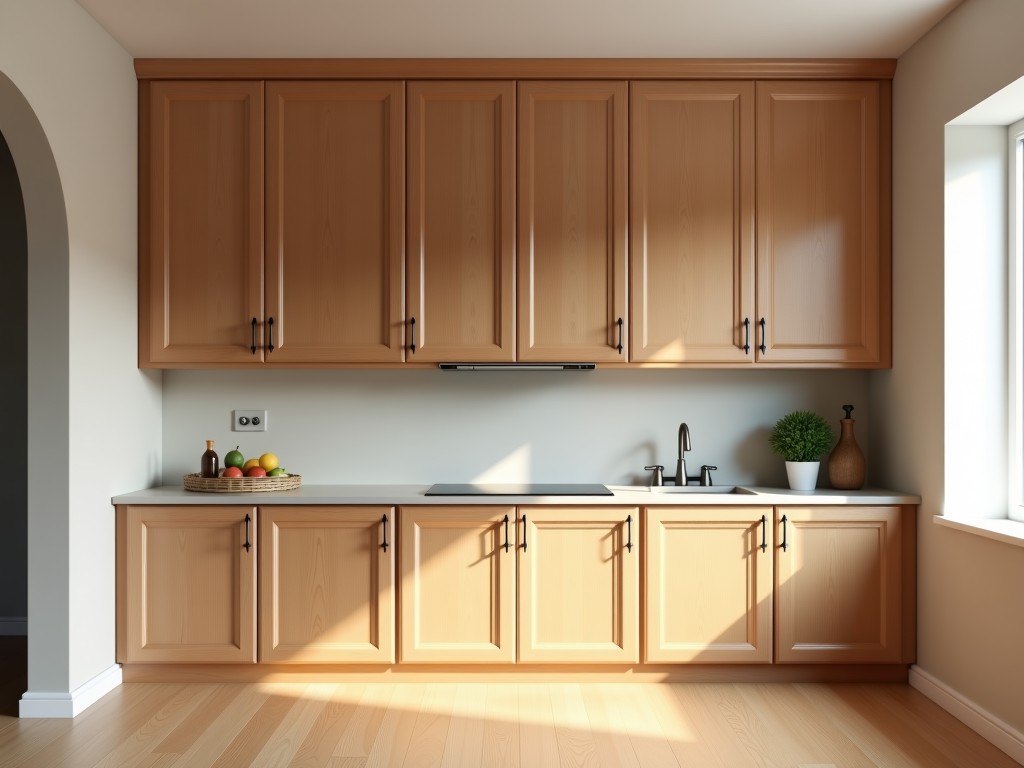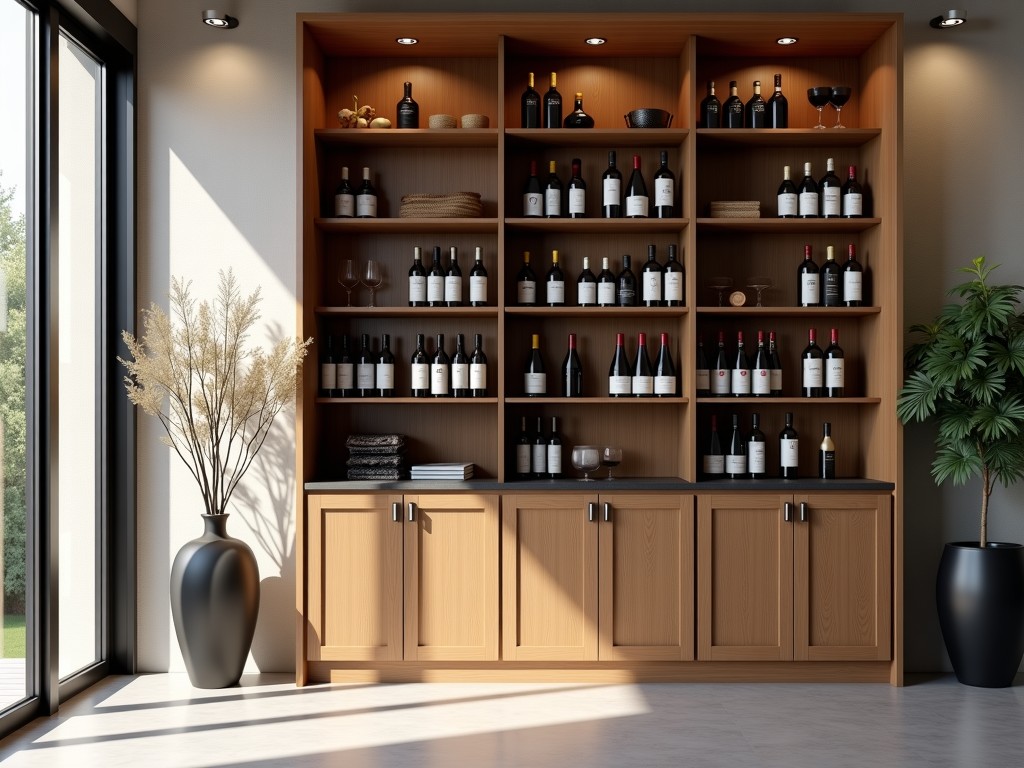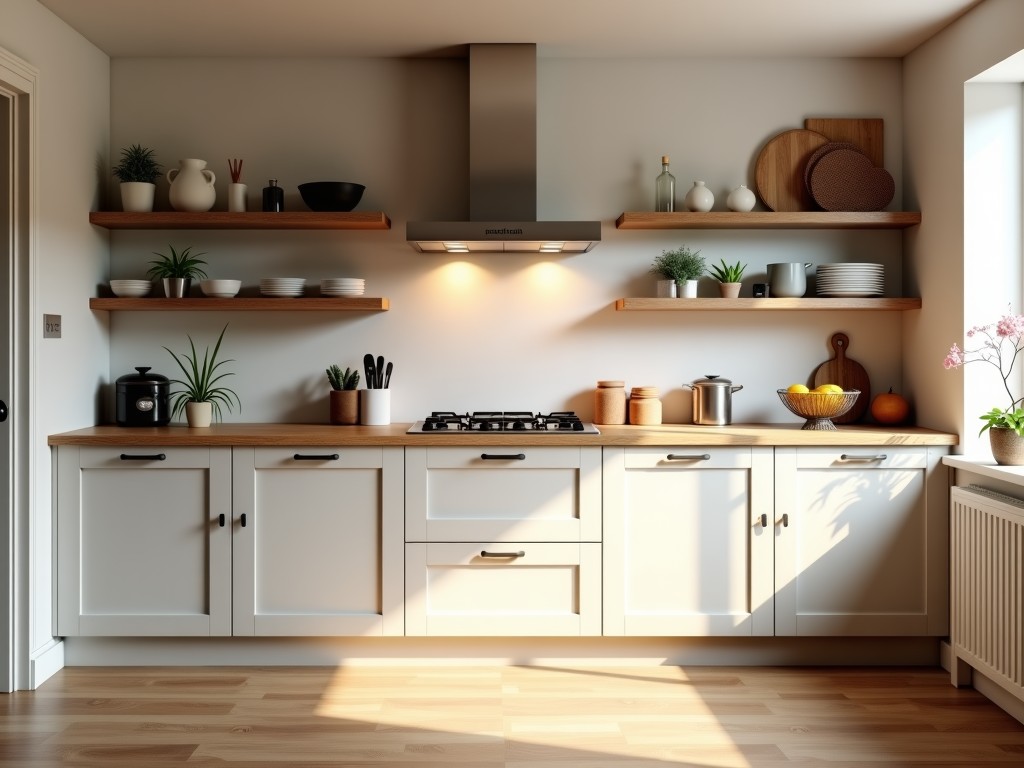
Custom Built Kitchen Cabinets
Custom Built Kitchen Cabinets
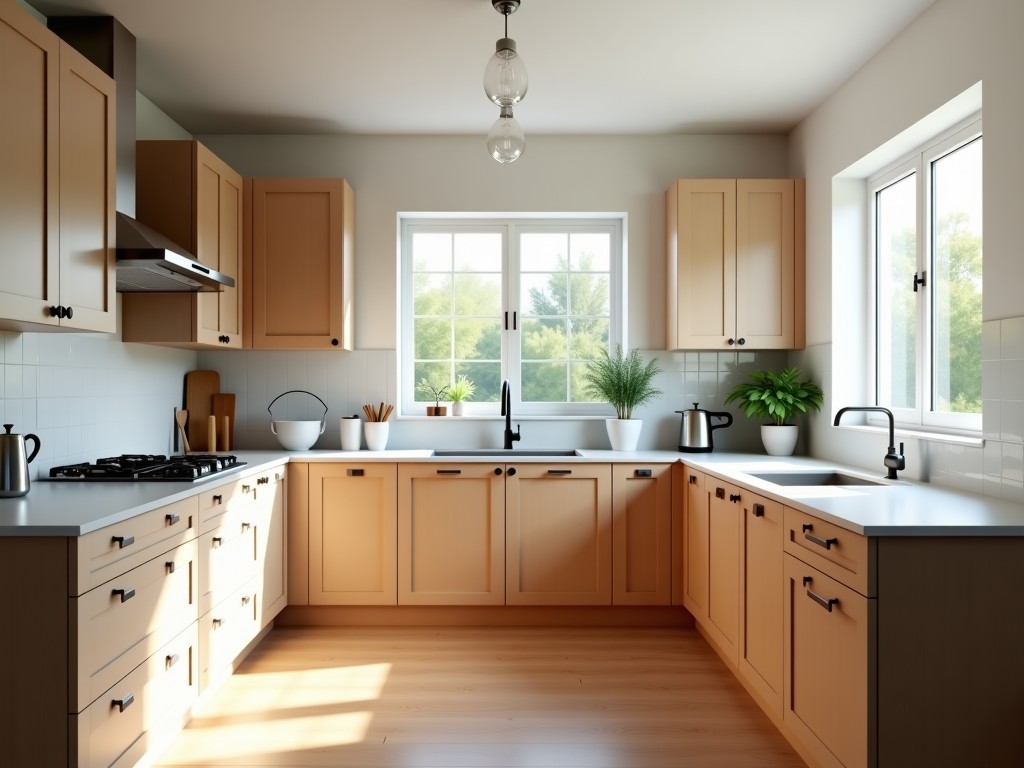
Custom Built Kitchen Cabinets for Commercial and Industrial Applications
In food service, healthcare, and laboratory environments, kitchen cabinetry must withstand constant use, exposure to moisture, cleaning agents, and temperature fluctuations while meeting strict hygiene and safety standards. Off-the-shelf cabinets often fail to meet these demands due to material limitations, poor edge sealing, or inflexible dimensions that disrupt workflow efficiency. Custom built kitchen cabinets address these challenges by offering tailored solutions designed to specific operational requirements, material constraints, and spatial layouts.
Material Selection for Demanding Environments
The longevity and performance of kitchen cabinets in industrial settings depend heavily on substrate and finish selection. Marine-grade plywood with exterior-grade adhesive is commonly specified for wet zones due to its resistance to delamination and warping under prolonged humidity exposure. For dry storage or prep areas, particleboard with melamine facing offers a cost-effective balance of stability and surface durability, particularly when edge-banded with PVC or ABS to prevent moisture ingress. Stainless steel (grade 304) is frequently chosen for zones requiring chemical resistance, such as dishwashing lines or chemical laboratories, where surfaces must endure frequent cleaning with alkaline or acidic agents without corrosion or staining.
Surface finishes are not merely aesthetic; they directly impact cleanability and microbial resistance. High-pressure laminate (HPL) with post-formed edges eliminates crevices where bacteria can accumulate, while seamless thermofoil finishes provide a non-porous surface suitable for wipe-down cleaning. In environments requiring NSF/ANSI 2 certification, such as commercial kitchens, materials and construction methods must comply with standards for smooth, non-absorbent, and easily cleanable surfaces — a factor that influences both material choice and joint fabrication techniques.
Manufacturing Process and Tolerance Control
Custom cabinet production begins with detailed shop drawings that account for appliance clearances, utility routing, and ergonomic workflow — factors often overlooked in standard designs. CNC routing ensures repeatable dimensional accuracy, typically maintaining tolerances of ±0.5 mm on panel dimensions and ±1.0 mm on door alignment, critical for seamless integration with built-in equipment like ovens, refrigerators, or sterilizers. Edge banding is applied using hot-air or laser systems to achieve full adhesion and prevent delamination, a common failure point in humid environments.
Assembly methods vary by material and load requirements. Cam locks and confirmit fasteners are standard for carcass construction in panel-based systems, providing strong mechanical joints that resist racking under dynamic loads. For stainless steel units, TIG welding is used for structural seams, followed by grinding and passivation to restore corrosion resistance. Adjustable legs with stainless steel feet allow for precise leveling on uneven floors, compensating for structural settlement while maintaining door and drawer alignment over time.
Hardware selection is equally critical. Soft-close hinges and drawer slides rated for 40–50 kg dynamic load ensure smooth operation under frequent use, while anti-microbial handles reduce cross-contamination risks in food preparation zones. All hardware is specified based on cycle life testing, with typical ratings exceeding 50,000 operations to match the expected service life of the cabinetry in high-traffic facilities.
Typical Specifications and Customization Options
| Specification | Typical Range / Options | Notes |
|---|---|---|
| Cabinet Height | 700–900 mm (base), 300–800 mm (wall) | Adjusted to counter height and ergonomic reach |
| Cabinet Depth | 500–650 mm (base), 300–350 mm (wall) | Clearance for appliances and plumbing |
| Door Overlay | Full, half, or inset | Impacts cleaning access and hardware choice |
| Shelf Adjustment | 25 mm increments, pin or rail systems | Supports reconfiguration for changing storage needs |
| Edge Banding | PVC, ABS, wood veneer, or stainless steel | Selected based on substrate and exposure level |
| Finish Options | Melamine, HPL, thermofoil, powder coat, stainless steel | Determined by hygiene, chemical, and abrasion resistance needs |
Customization extends beyond dimensions to include specialized inserts such as cutlery trays, spice racks, towel bars, and pull-out waste systems — all designed to match the specific workflow of the facility. Integrated lighting, power outlets, and data ports can be incorporated during fabrication to avoid retrofitting complications. For OEM clients supplying equipment to institutional buyers, cabinets can be designed to match exact equipment footprints, ensuring seamless alignment and service access.
Quality Control and Inspection
Each unit undergoes multi-stage inspection: raw material verification for grade and moisture content, in-process checks for dimensional accuracy and edge adhesion, and final assessment for hardware function, surface integrity, and alignment. Load testing is performed on shelves and drawers to validate rated capacity, while door gap consistency is measured using feeler gauges to ensure uniform clearance. For projects requiring certification, documentation of material safety data sheets (MSDS), finish compliance, and construction methods is provided upon request.
Packaging is designed to protect edges and surfaces during transit. Corners are reinforced with cardboard or plastic protectors, panels are separated by interleaving sheets, and hardware is packed in labeled bags to prevent loss. For international shipments, ISPM 15-compliant pallets and humidity-resistant wrapping are standard to prevent warping or mold growth during extended transit.
Application Scenarios Across Industries
In hospital kitchens, where infection control is paramount, seamless thermofoil cabinets with stainless steel frames minimize harbor points for pathogens and allow for rigorous cleaning protocols. In school food service units, melamine-faced particleboard with PVC edging provides a durable, low-maintenance solution that resists impact from carts and trays while staying within budget constraints. Laboratories requiring chemical resistance often specify stainless steel cabinets with welded seams and inert liners for storage of corrosive substances, ensuring long-term integrity without degradation.
Mobile catering units and food trucks benefit from lightweight yet rigid constructions using aluminum frames with HPL panels, offering a balance of weight reduction and surface durability. In correctional facilities, vandal-resistant designs feature reinforced doors, tamper-proof hinges, and seamless construction to prevent ligature points and withstand abuse. Each application informs not only material and finish selection but also hardware specifications, accessibility features, and maintenance access points.
Lead Time, Samples, and Project Support
Lead times typically range from 4 to 8 weeks after drawing approval, depending on material availability, finish complexity, and order volume. Samples of door finishes, edge banding, and hardware are available upon request to validate appearance and texture before full production. For projects requiring coordination with architects or equipment suppliers, our engineering team provides DXF or STEP files for integration into BIM models, ensuring spatial compatibility and avoiding clashes during installation.
We do not maintain inventory of finished cabinets; each unit is built to order based on approved specifications. This approach eliminates the risk of obsolescence and ensures that materials are selected specifically for the intended environment, rather than adapted from stock items. Quotations are based on detailed drawings or sketches that include dimensions, material preferences, hardware requirements, and any special features such as lighting or access panels.