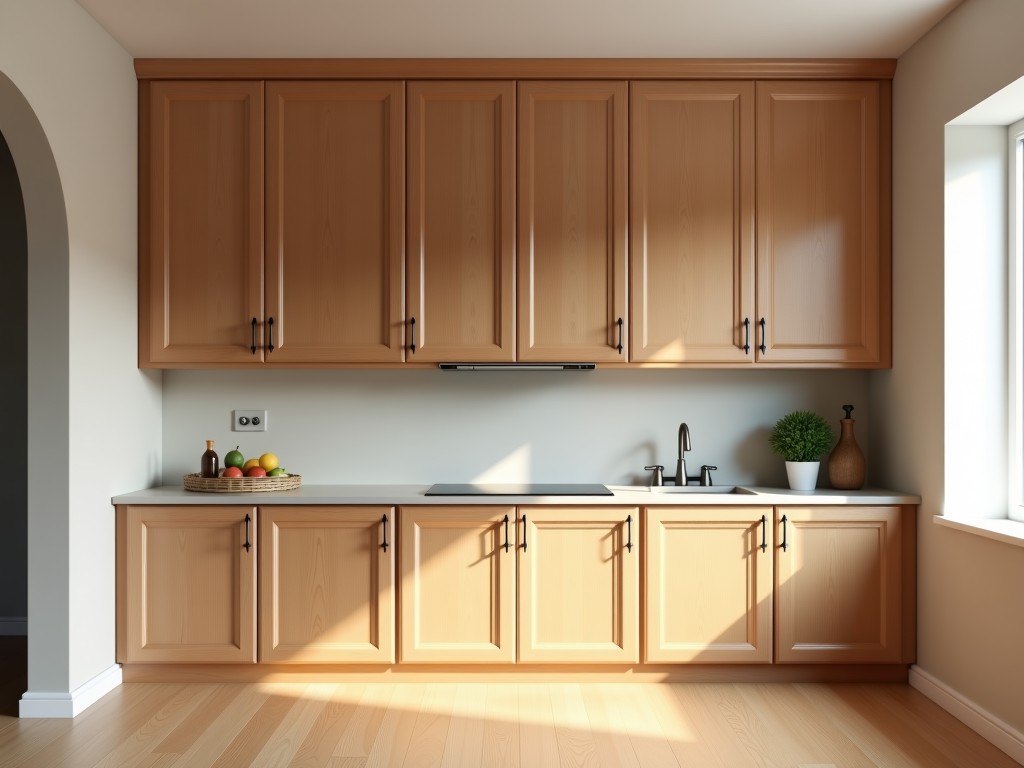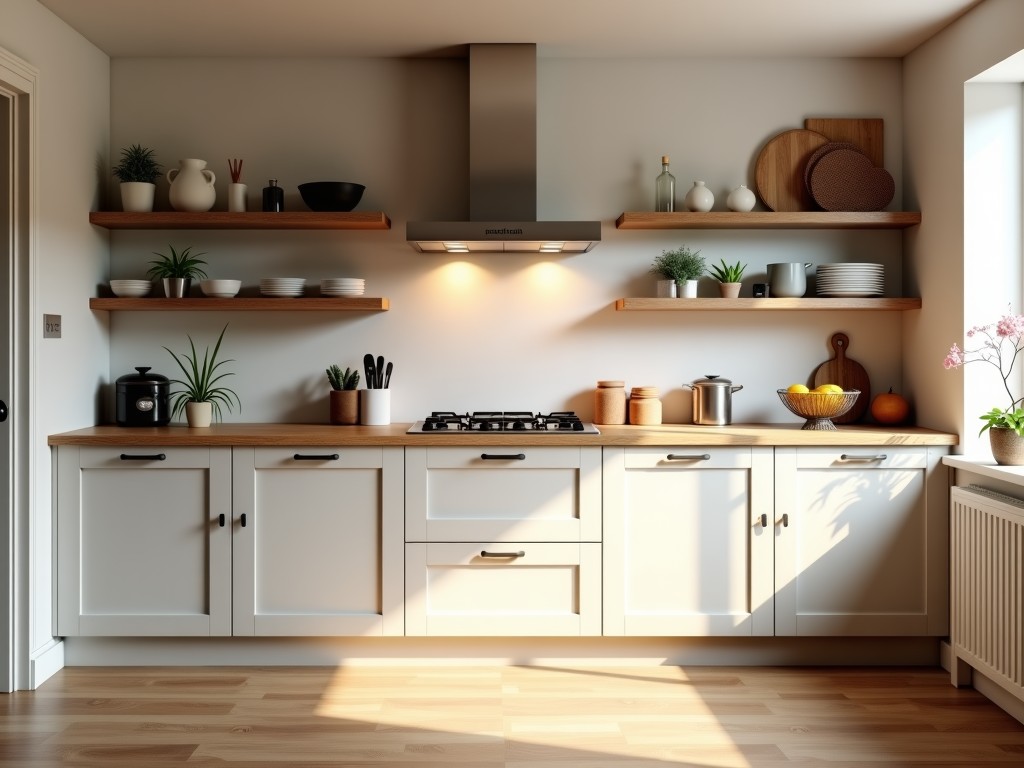
Custom Built Kitchen Cabinets Cost
Custom Built Kitchen Cabinets Cost
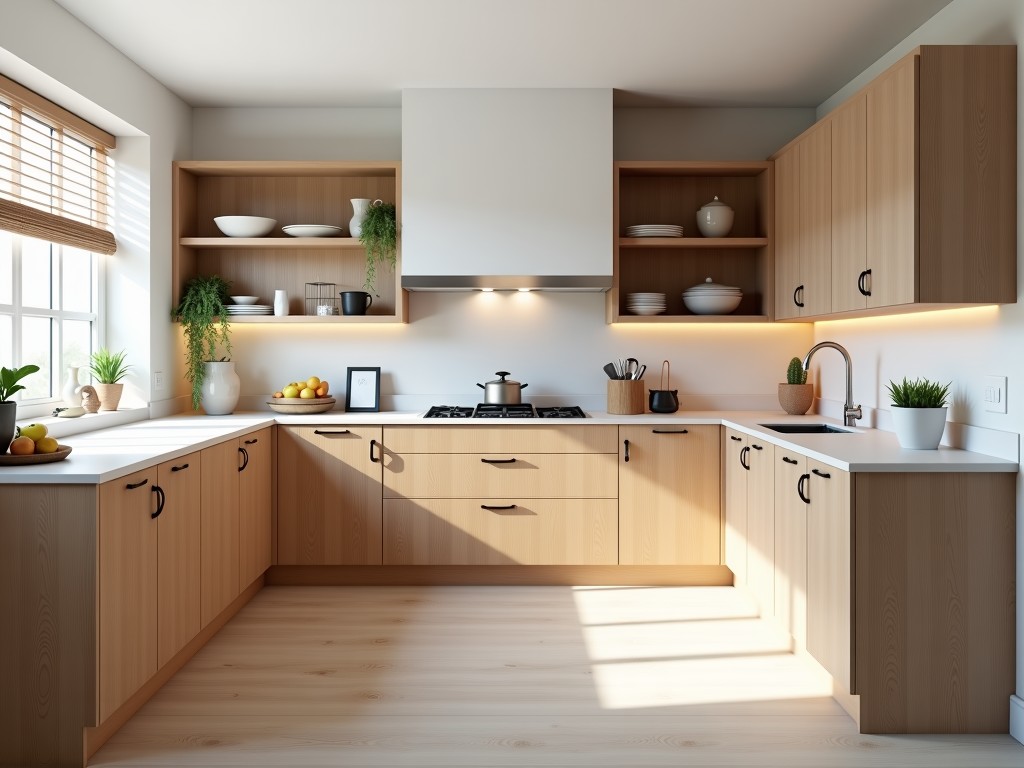
Custom Built Kitchen Cabinets Cost: Factors, Materials, and Pricing for Industrial Applications
Understanding the cost of custom built kitchen cabinets requires evaluating material selection, manufacturing processes, dimensional tolerances, and finish specifications. This guide explains the engineering and commercial factors that influence pricing for procurement teams, design engineers, and OEM buyers involved in commercial, institutional, or high-end residential projects.
Material Selection and Its Impact on Cost
The primary cost driver in custom kitchen cabinets is the substrate material. Common options include:
- Particleboard with melamine laminate: Economical choice for moderate-use environments; typically ranges from $80 to $120 per linear foot depending on thickness (16mm or 18mm) and edge banding quality.
- MDF (Medium-Density Fiberboard): Preferred for painted finishes due to uniform density and minimal grain show-through; 18mm thickness with primer-ready surface adds $20–$40 per linear foot over particleboard.
- Plywood (Birch or Hardwood Core): Offers superior screw holding strength and moisture resistance; 18mm 5-ply construction increases cost by 30–50% compared to particleboard but improves longevity in humid environments.
: Used for face frames and doors in premium applications; solid wood components can exceed $200 per linear foot due to material yield, machining time, and finishing complexity.
Material choice affects not only initial cost but also long-term performance. For example, plywood resists delamination better than particleboard in steam-exposed areas, while MDF provides smoother paint adhesion but is more susceptible to edge swelling if not properly sealed.
Manufacturing Process and Labor Factors
Custom cabinet pricing includes CNC cutting, edge banding, drilling, assembly, and finishing. Key cost influencers:
- Panel processing: Nesting efficiency on CNC routers affects material waste; tight part nesting reduces scrap but requires precise programming.
- Joinery: Cam locks and dowels are standard for RTA (ready-to-assemble) systems; dovetail or mortise-and-tenon joints in drawers increase labor by 25–40%.
- Finishing: Painted finishes require priming, sanding, and topcoating — each adding labor time. UV-cured or catalyzed finishes improve durability but increase equipment and material costs.
- Hardware installation: Soft-close hinges, full-extension slides, and pull-out organizers add $15–$50 per opening depending on load rating and adjustment features.
Lead time typically ranges from 3 to 6 weeks for standard configurations, extending to 8–10 weeks for complex designs involving curved panels, integrated lighting, or non-standard hardware.
Typical Specifications and Dimensional Tolerances
| Specification | Typical Range | Notes |
|---|---|---|
| Cabinet Depth (Standard) | 560mm (22") | Wall cabinets: 300mm (12"); Base cabinets: 560mm (22") |
| Panel Thickness | 16mm–19mm | 18mm most common for carcasses; 16mm for backs |
| Door Overlay | Full overlay (16–19mm) | Affects reveal and hinge selection |
| Drawer Box Height | 89mm–203mm (3.5"–8") | Determined by intended use (utensils, pots, files) |
| Shelf Load Capacity | Up to 40kg/m² | Depends on material thickness and support spacing |
Tolerances are typically held to ±0.5mm for critical dimensions (e.g., door reveal, shelf pin spacing) to ensure proper alignment and hardware function. Tighter tolerances (±0.2mm) are available for precision applications but increase machining time and cost.
Cost Breakdown by Project Type
For budgeting purposes, consider these typical installed cost ranges (materials, labor, hardware, delivery):
- Basic commercial breakroom or staff kitchen: Particleboard carcass, melamine doors, standard hinges — $100–$150 per linear foot.
- Mid-range hospitality or assisted living facility: MDF with painted finish, soft-close hardware, plywood shelves — $180–$250 per linear foot.
- High-end commercial or executive dining: Hardwood face frames, plywood boxes, custom finishes, premium pulls — $300–$500+ per linear foot.
These figures exclude taxes, design fees, and site-specific challenges such as uneven walls or utility penetrations, which may add 10–20% to total project cost.
Customization Options and Their Cost Implications
Custom features influence pricing based on complexity:
- Non-standard dimensions: Custom widths, heights, or depths require unique panel cutting and may increase material waste by 5–15%.
- Integrated appliances: Panel-ready refrigerator or oven surrounds need precise cutouts and ventilation planning.
- Lighting and power integration: Under-cabinet LED strips or pop-up outlets add material and labor costs but improve functionality.
- Specialty finishes: Textured laminates, veneer matching, or multi-stage painting increase lead time and require skilled finishing technicians.
Procurement teams should provide detailed drawings, material specifications, and hardware preferences early in the quotation process to avoid change orders and ensure accurate pricing.
Quality Control and Consistency
To ensure batch-to-batch consistency, reputable manufacturers implement:
- Incoming material inspection for thickness, moisture content, and surface defects
- First-article validation against approved drawings
- In-process checks for squareness, edge banding adhesion, and hole alignment
- Final inspection for finish uniformity, hardware operation, and cleanliness before packaging
Packaging typically includes corner protectors, edge guards, and stretch film to prevent damage during transit. Flat-pack design reduces shipping volume but requires skilled on-site assembly.
For accurate pricing, share your project requirements including:
- Detailed cabinet layout or schematic
- Preferred substrate and finish
- Hardware specifications (hinges, slides, pulls)
- Required lead time and delivery terms
- Any regulatory or industry-specific compliance needs (e.g., NSF, FSC, CARB)