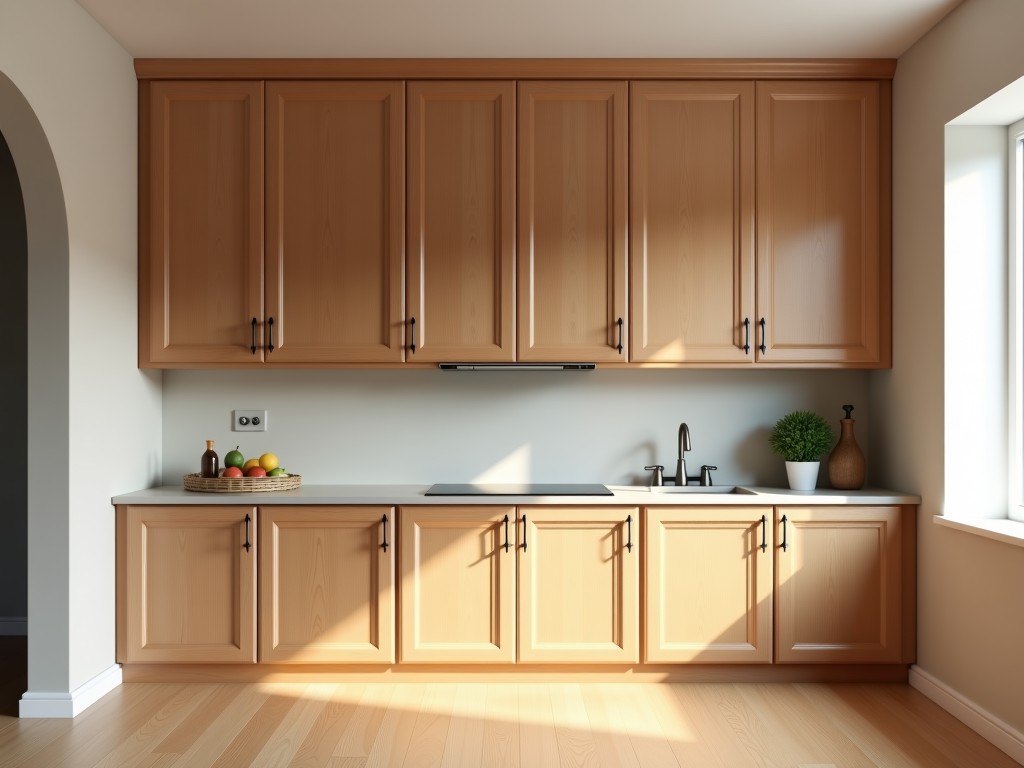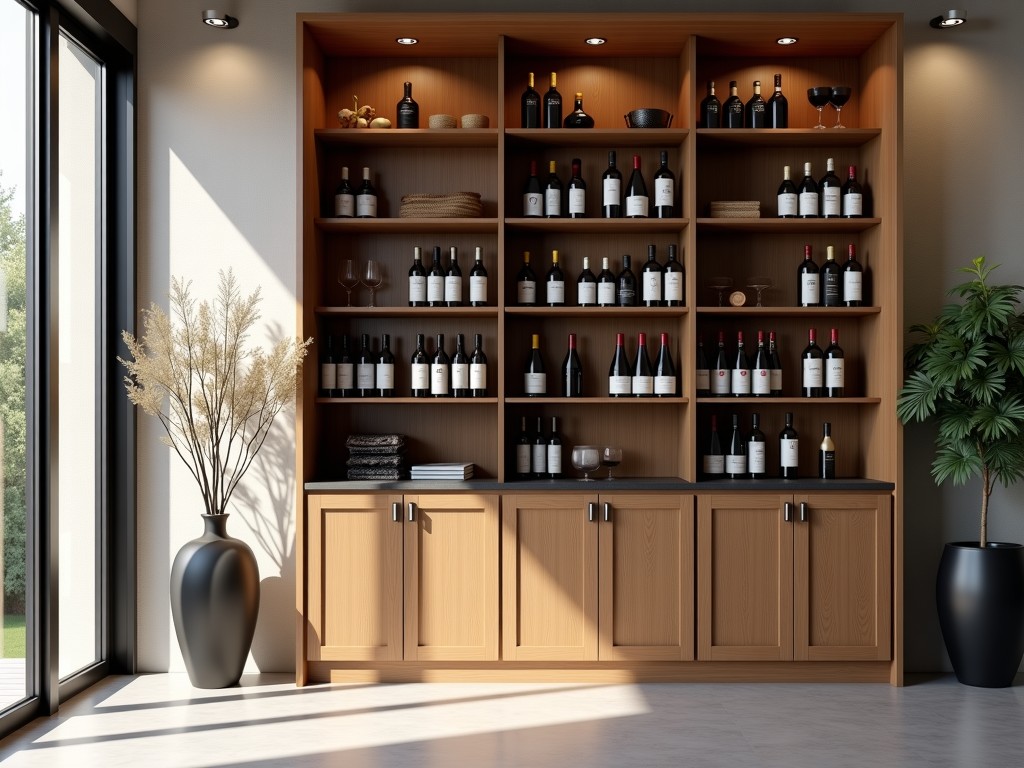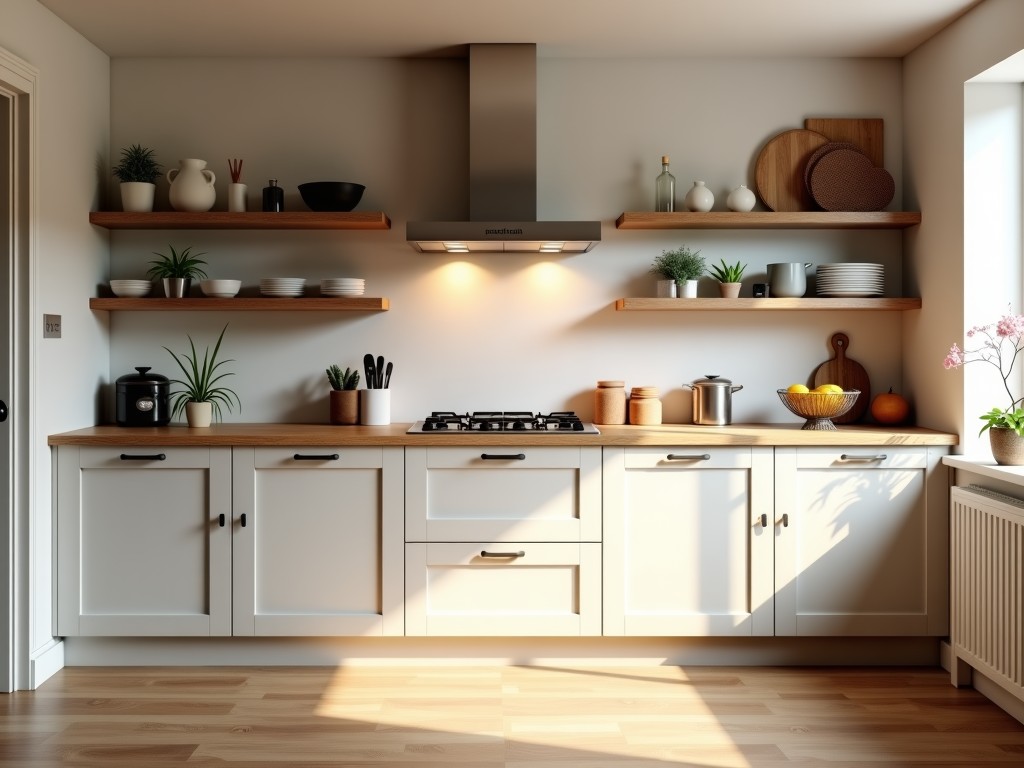
Custom Bathroom Built In Storage Cabinets
Custom Bathroom Built In Storage Cabinets
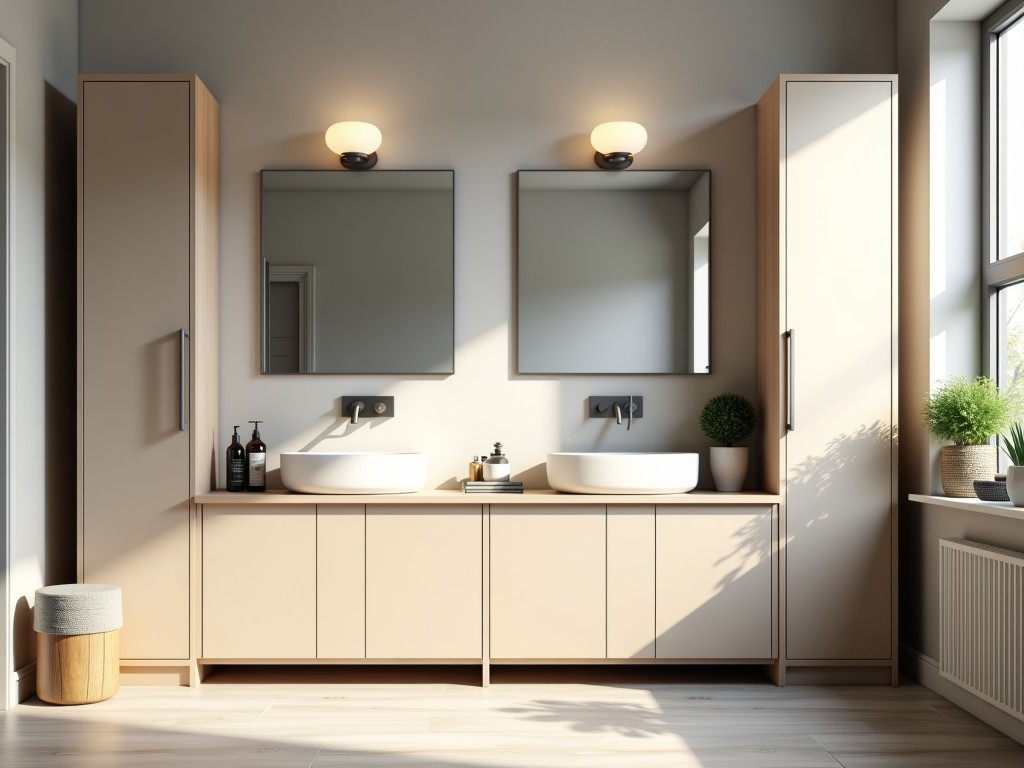
Engineering-Grade Built-In Bathroom Storage Systems
Integrating storage solutions into bathroom environments requires a rigorous understanding of moisture dynamics, structural load bearing, and spatial precision. Unlike freestanding furniture, built-in cabinetry must function as a permanent component of the architecture, subjected to high humidity fluctuations and limited air circulation. Our engineering approach focuses on material stability and hardware durability to ensure that dimensional integrity remains maintained over the entire lifecycle of the commercial or residential installation.
Material Selection for High-Humidity Environments
The primary failure point in bathroom cabinetry is hygroscopic expansion of the core material. Standard MDF particle board often fails in these environments due to delamination and swelling. To mitigate these risks, we specify materials based on their water absorption rates and dimensional stability indices.
- High-Density Fiberboard (HDF): Utilized for doors and back panels due to its dense structure, which resists moisture ingress significantly compared to standard MDF.
- Marine-Grade Plywood: Selected for structural frames where load-bearing is critical; water-resistant resins prevent bond failure under prolonged steam exposure.
- Aluminum-Core Panels: Offered for extreme-moisture commercial zones where 100% waterproof resistance is non-negotiable.
- High-Pressure Laminate (HPL): Applied to all exposed surfaces to provide a non-porous barrier that prevents water penetration into the substrate material.
Technical Specifications and Tolerances
Procurement teams and design engineers require precise data to ensure fit with plumbing and electrical layouts. The following table outlines the standard manufacturing parameters for our built-in units.
| Parameter | Standard Specification | Customization Range |
|---|---|---|
| Carcass Thickness | 18mm / 25mm options | Upon request for heavy-duty use |
| Dimensional Tolerance | ±0.5mm | CNC-machined precision |
| Hinge Duty Cycle | 80,000+ cycles (Soft close) | Industrial grade available |
| Load Capacity (Shelf) | 25kg per linear meter | Variable based on reinforcement |
| Edge Banding | PUR-glued PVC | 2mm - 3mm thickness |
Manufacturing and Assembly Logic
The longevity of built-in storage depends on the joinery and the sealing process. We utilize CNC-driven manufacturing to ensure all joints are cut with absolute accuracy, minimizing gaps where moisture could accumulate. Particular attention is paid to the edge-banding process.
Standard glue is often replaced with Polyurethane (PUR) adhesive in our process. Unlike traditional glues, PUR creates a chemical bond that is waterproof and heat-resistant, effectively sealing the edges of the panels against the core material. This is a critical factor in preventing the "edge swelling" common in lower-quality installations.
Integration and Installation Considerations
Built-in units must interface with existing mechanical and electrical (MEP) infrastructure. Our systems are designed with modular flexibility to allow for onsite adjustments without compromising structural integrity.
- Plumbing Access: Integrated recessed panels or removable backs for easy maintenance and valve access.
- Ventilation: Optional airflow venting within cabinets to prevent mold growth in enclosed cavities.
- Leveling Systems: Adjustable floor-to-ceiling feet to compensate for uneven substrate surfaces in older buildings.
Frequently Asked Questions
Are these cabinets suitable for direct shower spray contact?
For direct-water zones, we recommend aluminum-based frames or specialized solid-surface composites. Standard built-in units are designed for dry or splash-zones where humidity is present.
Can you provide custom dimensions for existing architectural voids?
Yes, we work from site-specific measurements or architectural CAD files to ensure the units fit within the specified tolerances of your project site.
Ready to discuss your project specifications and material requirements?
Request Technical Consultation & Quotation