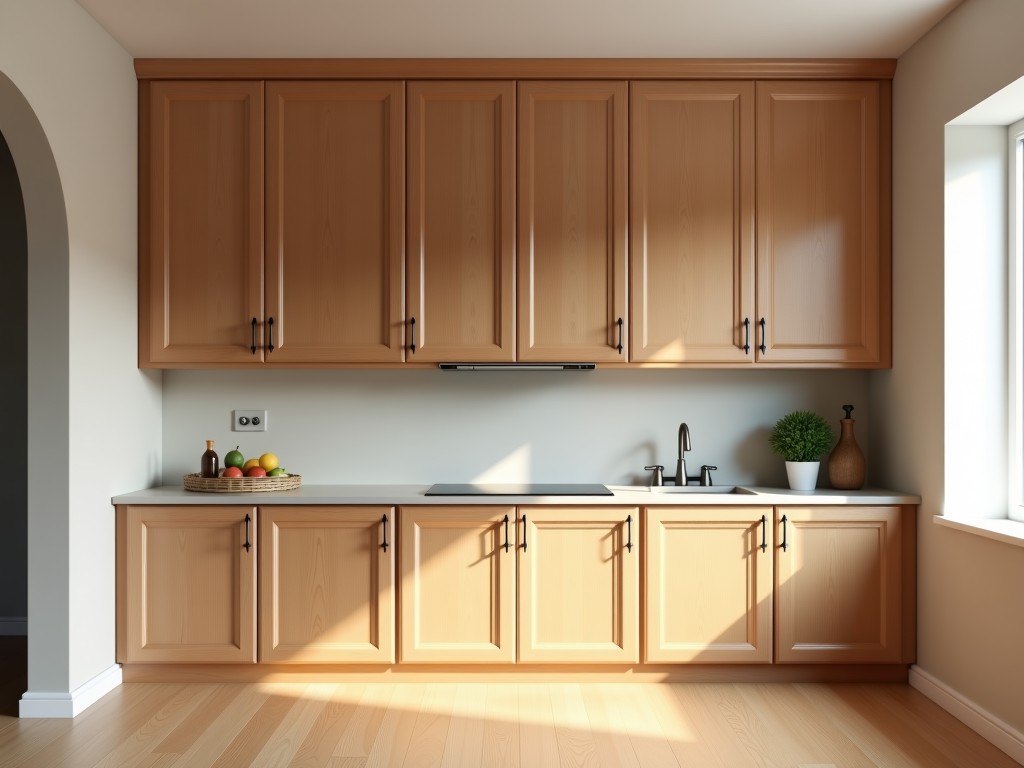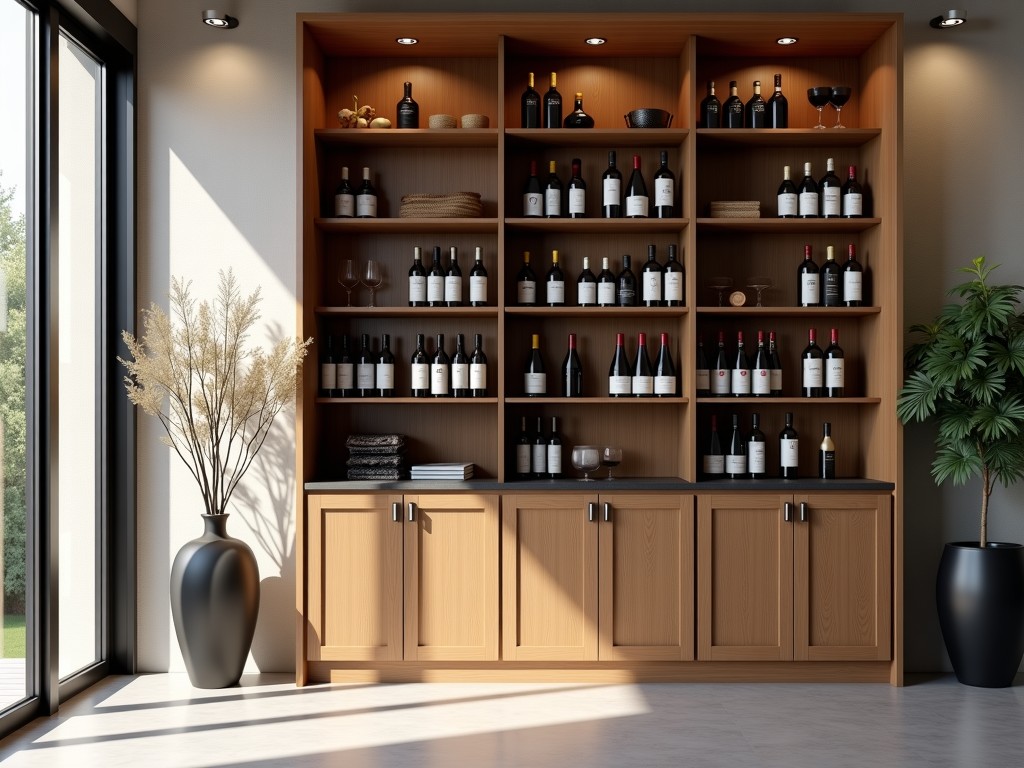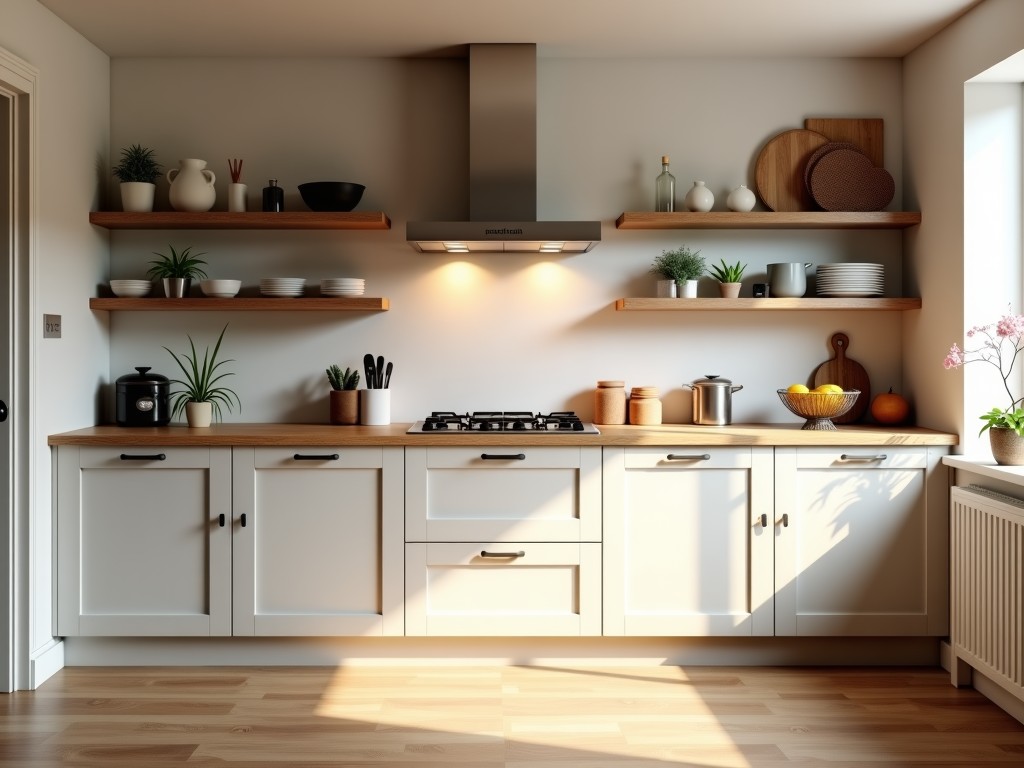
Custom Assembled Pantry Kitchen Cabinet
Custom Assembled Pantry Kitchen Cabinet
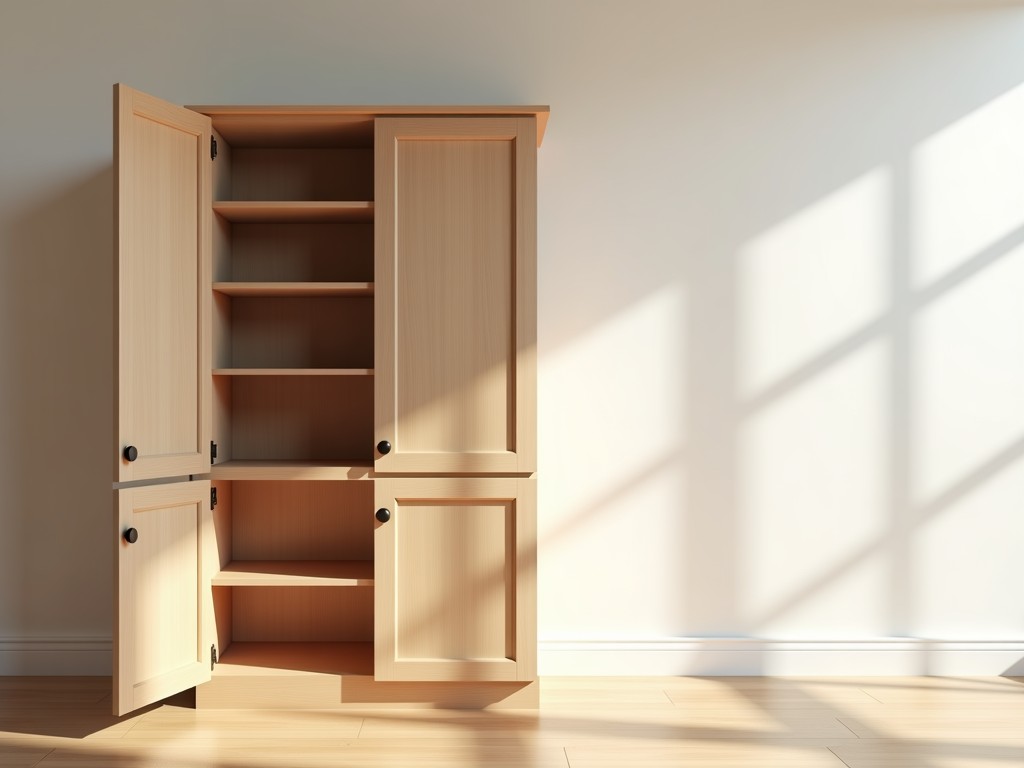
Industrial-Grade Assembled Pantry Kitchen Cabinets for Commercial Infrastructure and Hospitality Infrastructure
In high-traffic commercial culinary environments, storage solutions must bridge the gap between structural integrity and rapid deployment capabilities. Unlike consumer-grade flat-pack furniture, assembled pantry kitchen cabinets are engineered to maintain dimensional stability under constant load cycles and frequent mechanical stress. By eliminating the variables of on-site manual assembly, these units ensure precision in alignment of hardware and structural leveling, reducing labor costs and technical risks during large-scale fitouts.
Engineering Considerations for High-Density Storage
The primary challenge in commercial pantry design is the management of shelf deflection caused by the static weight of dry goods, bulk ingredients, and heavy equipment. Standard particle-board constructions often suffer from creep—a permanent deformation under sustained load. Our assembled units utilize high-density core materials and reinforced joinery to ensure that the carcass remains square, even when subjected to maximum rated capacities over a multi-year operational lifecycle.
Material selection directly impacts the lifespan of the cabinet in environments with fluctuating humidity or rigorous cleaning protocols. We prioritize multi-layer substrates that offer superior resistance to swelling and impact compared to standard alternatives. The use of moisture-resistant (MR) grade substrates and high-pressure laminates prevents delamination, a common failure point in lower-tier cabinetry exposed to steam or spills.
Technical Specifications and Material Standards
| Specification | Standard Configuration / Typical Values | Customization Options |
|---|---|---|
| Carcass Material | 18mm High-Density MR Board / Plywood | Stainless steel-lined cores available |
| Surface Finish | High-Pressure Laminate (HPL) / Melamine | Custom RAL colors or textured wood grain |
| Load Capacity (Shelf) | 45kg - 75kg per shelf (distributed) | Reinforced steel-bracket shelving |
| Hardware Grade | Soft-close stainless steel hinges/slides | Heavy-duty industrial-bearing slides |
| Assembly Tolerance | ±1.5mm dimensional variance | Precision-machined edges |
Operational Advantages for Procurement Teams
From a procurement and project management perspective, pre-assembled units offer a reduction in Total Cost of Ownership (TCO). On-site assembly requires skilled labor and specialized tools, often resulting in misaligned doors or weakened joints that lead to premature maintenance calls. Assembled units arrive factory-tested, ensuring that the mechanical tolerances and structural integrity are verified before the units ever reach the site.
- Structural Consistency: Factory-controlled environments ensure every unit in a bulk order is identical, facilitating seamless integration into large pantry layouts.
- Reduced Installation Timeline: "Plug-and-play" installation allows for rapid project turnover, critical for hospitality projects where downtime is financially costly.
- Quality Assurance: Precision CNC cutting and edge-banding at the factory eliminate the human error associated with manual on-site-cutting, ensuring a perfect fit within tight architectural tolerances.
Application Scenarios
These cabinets are designed for diverse environments where durability is non-negotiable. In hotel kitchens, they serve as the primary storage for dry-inventory and dinnerware management. In corporate breakroom infrastructure, they provide an aesthetic finish while resisting high-frequency use. Furthermore, in industrial laboratory facilities, they act as organized storage for specialized tools and consumables requiring a stable, dust-free environment.
Customization and OEM Services
We understand that standard floor plans often require specific dimensions. Our manufacturing process allows for customized internal configurations, shelf heights, and specialized hardware integration to meet specific engineering requirements or operational workflows.
Share your drawings or specifications for a customized proposal →Frequently Asked Technical Questions
How are the assembled units protected during international transit?
Units are secured in reinforced timber crates with internal bracing to prevent shifting or impact damage, ensuring the factory-set alignment remains intact upon arrival.
Can the shelf heights be adjusted for varying inventory sizes?
Yes, our cabinets utilize industrial-grade pin systems that allow for rapid modular shelf adjustment without compromising structural load distribution.
What is the material standard for high-humidity zones?
We offer MR (Moisture Resistant) core options specifically designed for environments with high humidity levels to prevent swelling and structural degradation.