China Pantry Built Ins
China Pantry Built Ins
China Pantry Built Ins: Engineering Precision for Kitchen Storage Systems
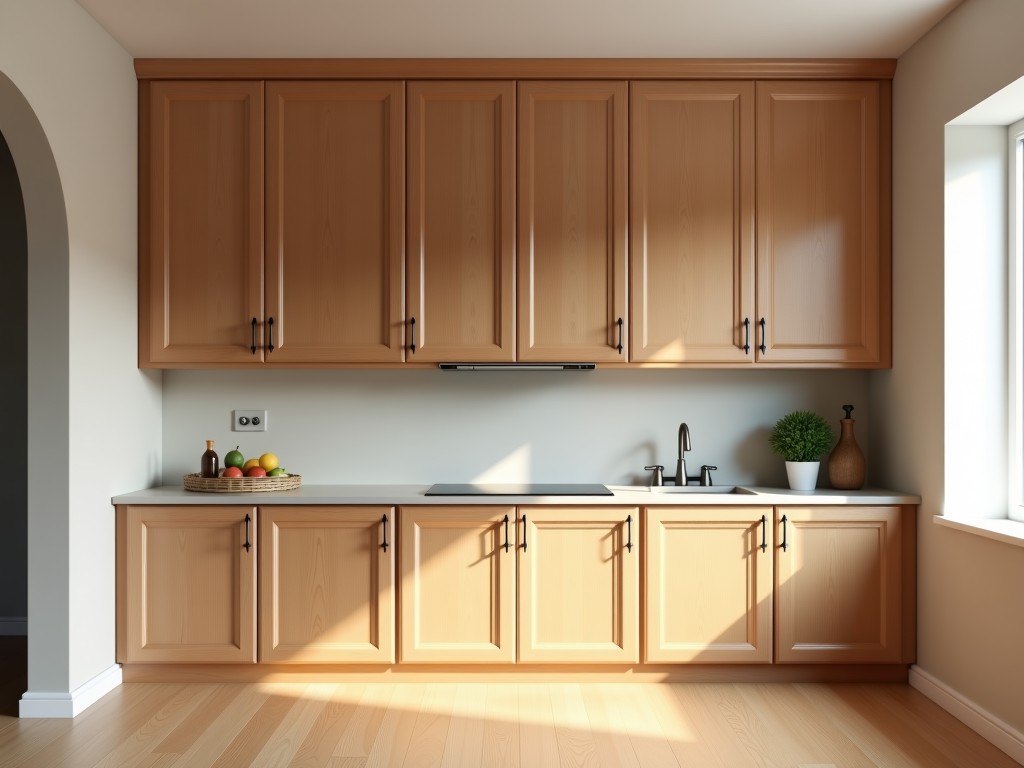
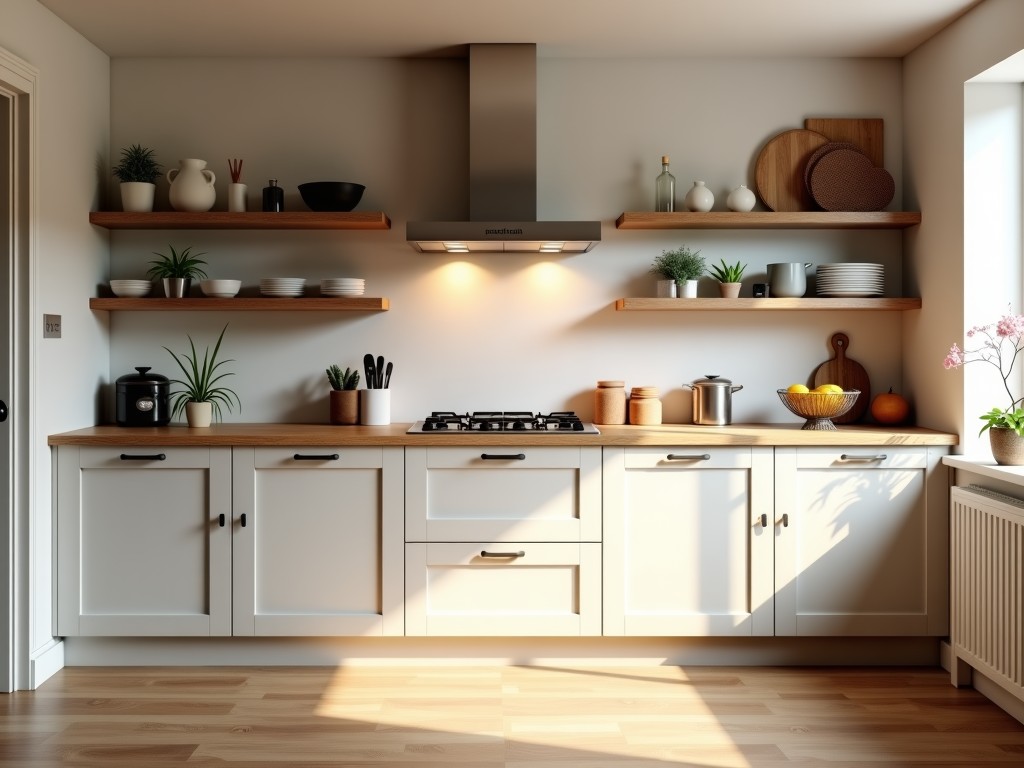
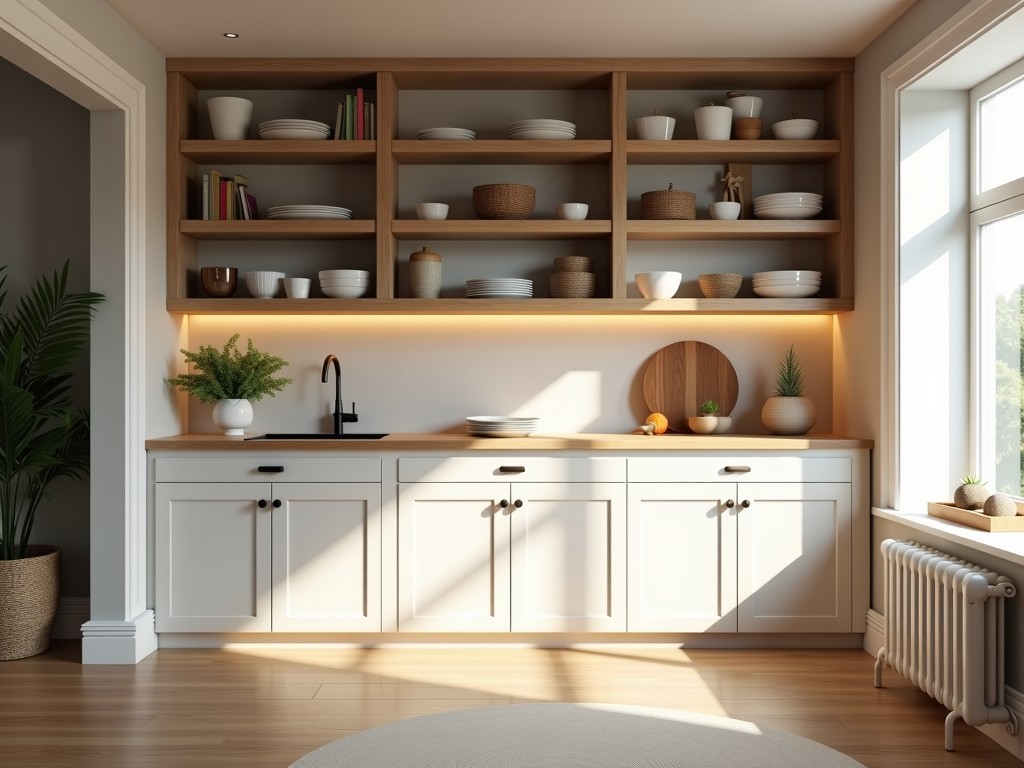
Pantry built ins in China are engineered as integrated storage solutions designed to maximize space efficiency in residential and commercial kitchens while meeting strict dimensional tolerances required for seamless cabinetry assembly. These systems are not freestanding units but custom-fabricated assemblies built into wall cavities or floor-to-ceiling enclosures, requiring precise material selection, joinery methods, and surface finishing to ensure long-term stability under daily load cycles. Procurement teams evaluate these products based on material consistency, edge sealing quality, hardware compatibility, and resistance to humidity-induced swelling—critical factors in kitchen environments where temperature fluctuates and steam exposure is common.
Material Selection for Humidity-Resistant Pantry Construction
The substrate material determines both structural performance and environmental resilience. In China, pantry built ins commonly use either CARB Phase 2 compliant particleboard with melamine facing or moisture-resistant MDF (medium-density fiberboard) bonded with urea-formaldehyde resins modified for reduced emissions. Particleboard offers cost-effective rigidity for shelving and carcasses, typically manufactured in 16mm and 18mm thicknesses with density ranging from 600–700 kg/m³, while MDF provides superior screw-holding strength and smoother routing edges for door profiles, though requiring edge sealing to prevent moisture ingress at cut surfaces. For high-humidity zones near sinks or cooking areas, manufacturers may specify marine-grade plywood with phenolic film overlay or PVC-laminated boards, which resist delamination even after prolonged exposure to 90% relative humidity.
Manufacturing Process and Dimensional Control
Production begins with CNC nesting of panel sheets to minimize waste and ensure repeatable hole patterns for shelf pins, hinges, and drawer runners. Tolerances are held to ±0.5mm on cut dimensions and ±0.2mm on hole placement to allow for tool-free assembly using confirmit cam locks or pre-installed euro screws. Edge banding is applied via hot-air extruders using 0.4–0.5mm thick PVC or ABS tape, activated at 200–220°C to create a seamless bond that resists peeling under thermal cycling. Surface finishing includes either direct-print melamine decoration or vacuum-formed PVC foil, both tested for abrasion resistance (Taber wear index <80mg/1000 cycles) and stain resistance against common kitchen substances like oil, vinegar, and food dyes.
Typical Specifications for Standard Pantry Built Ins
| Parameter | Typical Range | Notes |
|---|---|---|
| Panel Thickness | 16mm, 18mm, 25mm | Selected based on load span and door weight |
| Density (Particleboard) | 600–700 kg/m³ | Affects screw retention and sag resistance |
| Formaldehyde Emission | ≤0.124 mg/m³ (CARB Phase 2) | Measured via desiccator method |
| Edge Band Thickness | 0.4–0.5mm | PVC or ABS, hot-air applied |
| Surface Abrasion Resistance | <80mg/1000 cycles | Taber CS-10 wheel, 500g load |
| Standard Depth | 500–600mm | Wall-mounted units; floor-to-ceiling varies |
| Height Increment | 32mm system holes | For adjustable shelf positioning |
Application Scenarios and Industry Integration
Pantry built ins are specified in mid-to-high volume residential developments where standardized kitchen layouts allow for repeatable fabrication. In commercial settings such as hotel suites or senior living facilities, they are adapted for ADA compliance with pull-out shelves and reduced-height upper cabinets. Distributors sourcing for OEM kitchen brands evaluate these systems based on flat-pack optimization—how efficiently panels nest within shipping containers—and whether pre-drilled hole patterns align with the client’s hardware specifications. Unlike imported European systems that may rely on exotic finishes, China-produced pantry built ins prioritize functional durability and cost predictability, making them suitable for projects where lifecycle cost analysis favors local sourcing over lead time.
Customization Options and Production Considerations
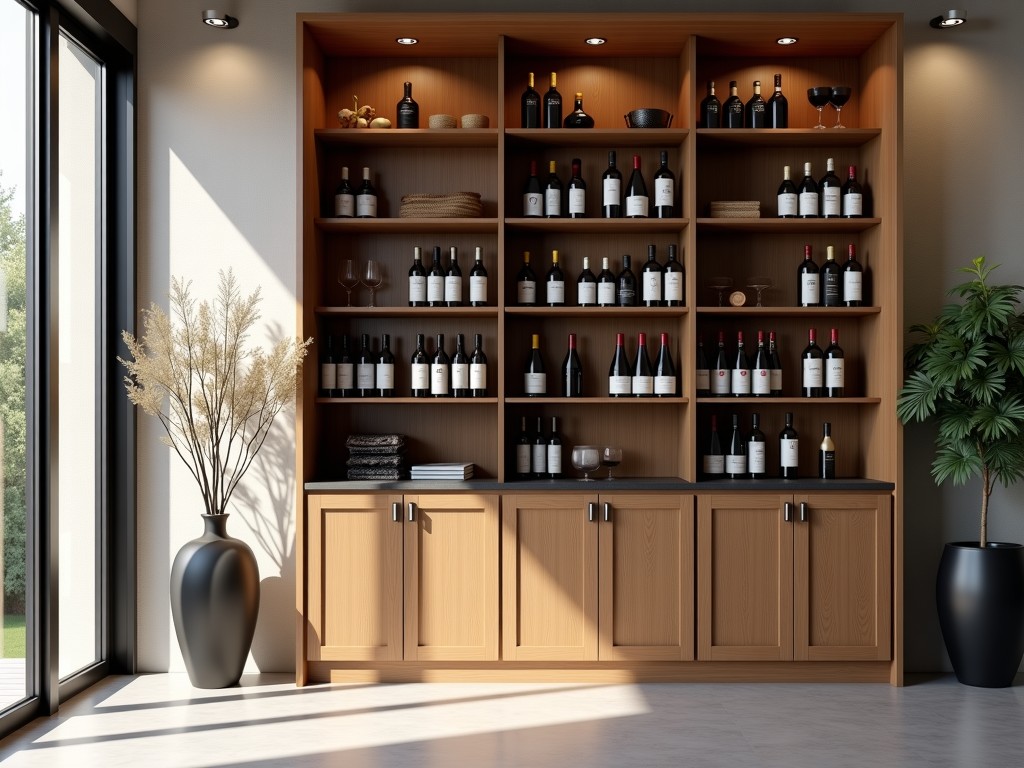
Customization extends beyond dimensions to include internal accessories such as roll-out trays, spice racks, and wine glass holders, all designed to integrate with the 32mm hole system. Door styles can be modified from flat slab to shaker profile using routed MDF or PVC-wrapped frames, though changes to door thickness may require hinge adjustment. Lead times typically range from 15–25 days for standard configurations after drawing approval, depending on material availability and surface finish complexity. Packaging involves corner protectors, stretch film, and five-layer corrugated cartons designed to withstand forklift handling and containerized sea freight, with moisture barriers included for shipments to tropical climates.
Quality Control and Inspection Standards
Incoming raw materials are tested for thickness variation, moisture content (<8% for particleboard), and surface adhesion of decorative films. During production, first-article inspection verifies hole alignment and edge band continuity using calibrated gauges. Final random sampling includes load testing of shelves (25kg point load for 24 hours), door swing cycle testing (20,000 oscillations), and humidity chamber exposure (40°C, 90% RH for 72 hours) to assess swelling and coating integrity. Documentation such as material safety data sheets (MSDS), emission test reports, and packing lists are provided upon request, supporting compliance with international building material regulations.