Cheap Turnkey Apartment Furniture With Tv Cabinet
Cheap Turnkey Apartment Furniture With Tv Cabinet
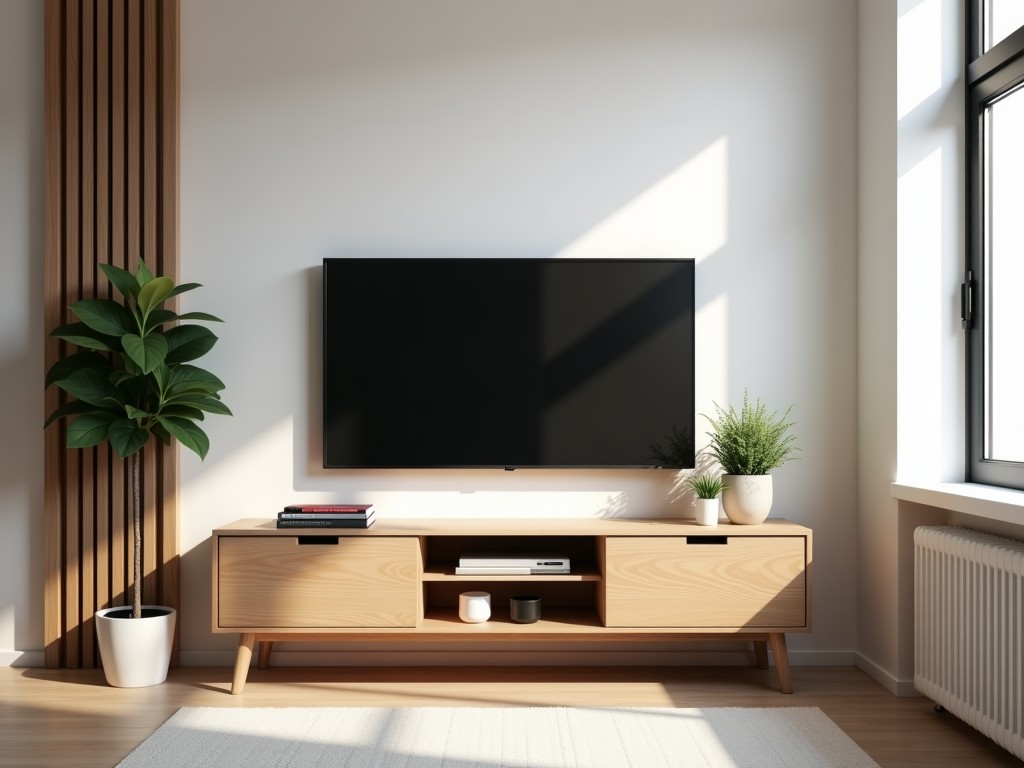
Turnkey Apartment Furniture with Integrated TV Cabinet
For developers and contractors managing multi-unit residential projects, coordinating furniture delivery, assembly, and installation across dozens or hundreds of units introduces significant logistical risk. Misaligned schedules, inconsistent finishes, and on-site assembly errors delay move-in timelines and increase labor costs. A turnkey solution that combines bedroom, living, and storage furniture with a precisely integrated TV cabinet eliminates these variables by delivering fully assembled, factory-finished units ready for immediate placement.
Engineering Approach to Residential Turnkey Furniture
Unlike consumer-grade furniture shipped flat-packed for on-site assembly, turnkey apartment furniture is constructed in controlled factory environments using panel joining techniques that prioritize long-term dimensional stability. Carcass components are typically manufactured from 18mm E1-grade melamine-faced particleboard or MDF, selected for their resistance to warping under varying humidity conditions common in occupied residential spaces. Edge banding is applied using hot-melt polyurethane adhesive at 180–200°C to prevent delamination and moisture ingress at panel joints — a critical detail often overlooked in field-assembled units where manual edge application leads to premature failure.
The integrated TV cabinet is not a separate accessory but a structural extension of the living room wall unit, designed to support static loads of up to 60kg (including television, soundbar, and peripheral devices) without sagging over time. This is achieved through reinforced vertical stiles with internal steel brackets and a 25mm thick shelf panel, deflecting less than 1.5mm under rated load — verified through factory testing per ANSI/BIFMA X5.1 standards for casegoods. Cable management is incorporated via routed channels in the rear panel and removable access plates, maintaining clean aesthetics while allowing service access for HDMI, power, and networking cables.
Material Selection for Longevity in Occupied Spaces
Surface finishes are specified based on expected wear patterns in rental and owner-occupied units. High-traffic areas such as TV cabinet tops and kitchen sideboards use melamine with a textured finish (typically 0.15–0.20mm thickness) that resists scratches from remote controls, votive holders, and frequent cleaning. Interior shelving and drawer interiors use smooth-faced melamine for ease of cleaning and visual consistency. Drawer boxes are constructed from 12mm thick laminated plywood or high-density fiberboard with full-extension soft-close slides rated for 30,000 cycles — equivalent to over 20 years of daily use in a typical household.
Hardware selection focuses on minimizing field service calls. Hinges are concealed, soft-close type with 3-way adjustment (depth, height, side) to compensate for minor wall unevenness during installation. Cam locks and confirmat screws are used for carcass assembly, providing tensile strength exceeding 800N per joint while allowing disassembly for refurbishment between tenancies — a requirement increasingly specified in sustainable housing frameworks. All metal components are zinc-plated or nickel-plated to resist corrosion in coastal or high-humidity climates.
Typical Specifications and Dimensional Flexibility
| Component | Standard Specification | Customization Range |
|---|---|---|
| TV Cabinet Width | 1600mm | 1200–2400mm (in 50mm increments) |
| TV Cabinet Depth | 400mm | 300–500mm |
| TV Cabinet Height | 500mm | 400–700mm |
| Bed Frame (Queen) | 1530 x 2030mm | Customizable to 1200–2000mm width |
| Wardrobe Interior | 1x hanging rail, 2x shelves | Adjustable shelving, drawer options |
| Finish Options | White, Oak, Walnut, Grey Melamine | Custom colors, wood grain, lacquer |
| Packaging | Corrugated cardboard, edge protectors, stretch wrap | Palletized, containerized, VIP-ready |
Dimensional tolerances are held to ±2mm on critical interfaces (e.g., TV cabinet to adjacent shelving, wardrobe door gaps) to ensure seamless alignment during factory assembly and eliminate the need for on-site shimming or trimming. This precision is maintained through CNC panel saws with laser-guided positioning and automated edge banding stations, reducing human variance in cut accuracy. For projects requiring non-standard room layouts — such as L-shaped living areas or alcove bedrooms — modular units can be configured with filler panels and adjustable shelving systems that maintain aesthetic continuity while adapting to site-specific constraints.
Factory Process and Quality Assurance
Production follows a cellular manufacturing model where each apartment set moves through dedicated stations: panel cutting, edge banding, drilling, assembly, hardware installation, and final inspection. At the assembly station, torque-controlled drivers ensure cam locks are tightened to 1.2–1.5 Nm — sufficient to prevent joint creep under load while avoiding over-torque that could fracture particleboard. Each completed unit undergoes a 10-point functional check: door alignment (≤1.5mm gap variance), drawer smoothness (no binding over full extension), TV cabinet load test (60kg for 5 minutes), and surface defect inspection under 500 lux lighting. Units failing any criterion are diverted to rework before packaging.
Packaging is designed to survive long-haul transit and multiple handling points. Each unit is wrapped in 70gsm polyethylene film, placed in a double-wall corrugated carton with 140gsm fluting, and fitted with die-cut EPS corner protectors. For overseas shipments, cartons are strapped to ISPM-15 compliant pallets and loaded with horizontal stabilizers to prevent shifting during ocean transit. Labeling includes QR codes linking to digital assembly instructions (though none are required) and CE marking equivalents for furniture safety where applicable.
Application in Residential Development Workflows
Developers specify turnkey furniture to compress the fit-out phase of construction schedules. Instead of coordinating separate deliveries for beds, sofas, wardrobes, and TV stands — each with its own lead time and assembly crew — a single shipment delivers fully furnished units ready for immediate occupancy. This reduces on-site labor by up to 70% compared to traditional FF&E (furniture, fixtures, and equipment) procurement, minimizes waste from packaging and assembly debris, and eliminates variability in finish quality between units. For build-to-rent operators, this consistency supports brand standards across portfolios and simplifies refurbishment cycles between tenancies.
Interior designers benefit from predictable outcomes: the furniture arrives as specified in the BIM model or shop drawing, with no risk of substitution or on-site modification. This predictability is especially valuable in high-density urban projects where storage for loose materials is limited and just-in-time delivery is essential. The integrated TV cabinet also resolves a common pain point in modern apartments — the mismatch between standardized wall mounts and furniture depth — by ensuring the television sits flush with the surrounding storage plane, improving both ergonomics and visual appeal.
Customization and OEM Flexibility
While standard configurations cover 80% of typical apartment layouts, the system supports extensive OEM customization without requiring new tooling for core components. Panel lengths, drill hole patterns, and edge band colors can be adjusted via programmed CNC routes and automated adhesive systems, allowing for project-specific variations in room dimensions, accessibility requirements (e.g., ADA-compliant clearances), or branding (such as developer logos on drawer interiors). Changes to hardware types — such as upgrading to push-to-open mechanisms or integrating wireless charging pads in nightstands — are accommodated through modular fixture nests on the assembly line.
For developers pursuing certification under frameworks like BREEAM or LEED, material substitutions are available: FSC-certified particleboard, low-VOC melamine (CARB Phase 2 compliant), and water-based adhesives can be specified upon request. These options maintain structural integrity while reducing embodied carbon and improving indoor air quality — factors increasingly scrutinized in residential procurement policies.
Logistics and Delivery Coordination
Lead times are primarily influenced by volume and customization depth. Standard configurations for projects under 50 units typically ship within 4–6 weeks after drawing approval, while larger orders (100+ units) or those requiring special finishes may extend to 8–10 weeks. Production capacity is scaled through parallel shift work and buffer stock of core panels, allowing for predictable output even during seasonal demand spikes. Shipping is managed via FOB or CIF terms, with consolidation options available for LCL shipments to reduce per-unit freight costs.
Upon delivery, units are unloaded using pallet jacks or forklifts and rolled directly into place — no unpacking or assembly required. This "plug-and-play" approach reduces on-site congestion and minimizes the risk of damage during handling. For high-rise developments, vertical transport is facilitated by designing units to fit within standard elevator dimensions (typically 1100x2100mm clear opening), with modular splits available for tighter constraints.
Long-Term Value and Maintenance Considerations
The lifecycle cost of turnkey furniture is lower than perceived when accounting for reduced installation labor, fewer field repairs, and extended service life. Melamine-faced panels resist staining and fading under typical indoor lighting (less than 5% color shift over 5 years under 300 lux exposure), and edge bonds maintain adhesion in environments ranging from 30% to 70% relative humidity — covering most climate zones without requiring climate-controlled storage. Drawer slides and hinges are selected for 10-year functional warranties under normal use, with replacement parts available through standardized SKUs.
Refurbishment between tenancies typically involves only surface cleaning and hardware inspection — not full replacement. This contrasts with flat-packed alternatives, where repeated disassembly and reassembly degrade joint integrity over time, often necessitating replacement after just two turnover cycles. By eliminating field assembly, turnkey furniture avoids the cumulative damage caused by improper cam lock torque, misaligned dowels, or moisture exposure during storage — factors that significantly shorten product lifespan in multi-use environments.
Selecting the Right Turnkey Solution
When evaluating suppliers, prioritize those who provide detailed shop drawings for approval before production, not just renderings. Confirm that the TV cabinet load rating is tested to static and dynamic standards (not just advertised), and request documentation of edge bond adhesion testing (e.g., ASTM D903) if moisture resistance is a concern. Ask for samples of actual production panels — not hand-finished prototypes — to assess edge band quality and surface consistency. Finally, clarify whether the quoted price includes delivery to room of use, unloading, and placement, or if those services are additional.
A well-engineered turnkey system does more than furnish a space — it removes variability from the supply chain, reduces on-site risk, and delivers a consistent resident experience from day one. For procurement teams managing large-scale residential projects, this predictability translates directly to fewer delays, lower change orders, and higher satisfaction at handover.
Discuss Your Project Requirements
Share your apartment layouts, finish schedules, or specific performance criteria with our engineering team to receive a customized proposal that addresses your timeline, budget, and quality expectations. We provide detailed technical documentation, material certifications, and packaging specifications to support your procurement decision.
Discuss your project requirements with our engineering team.