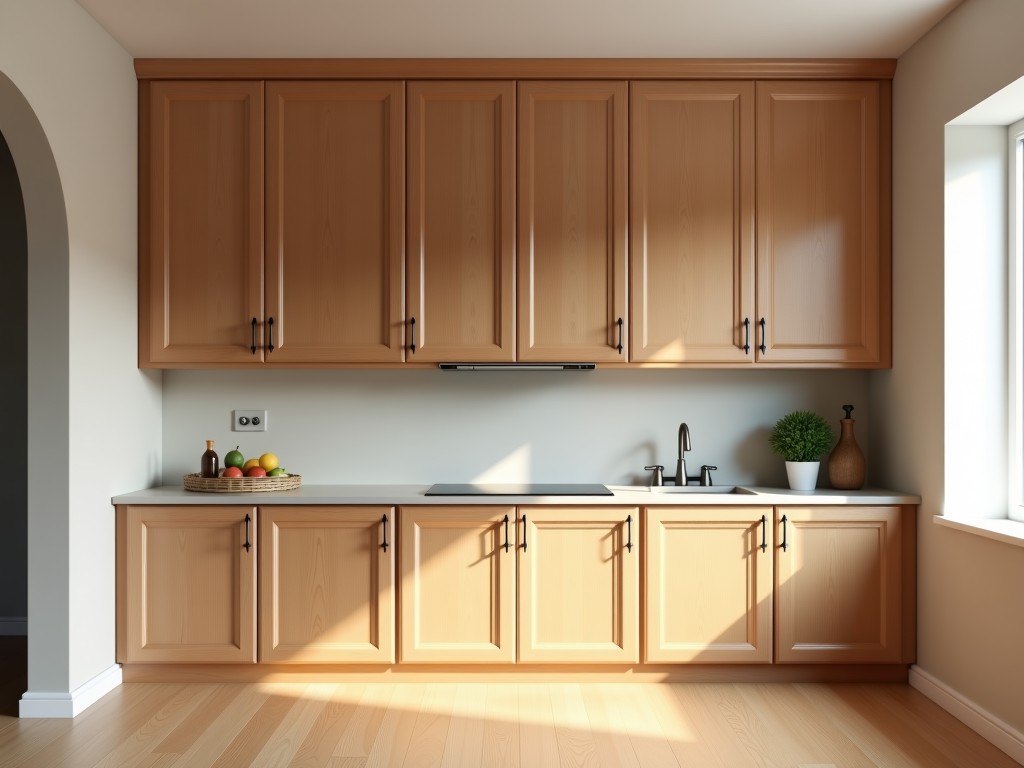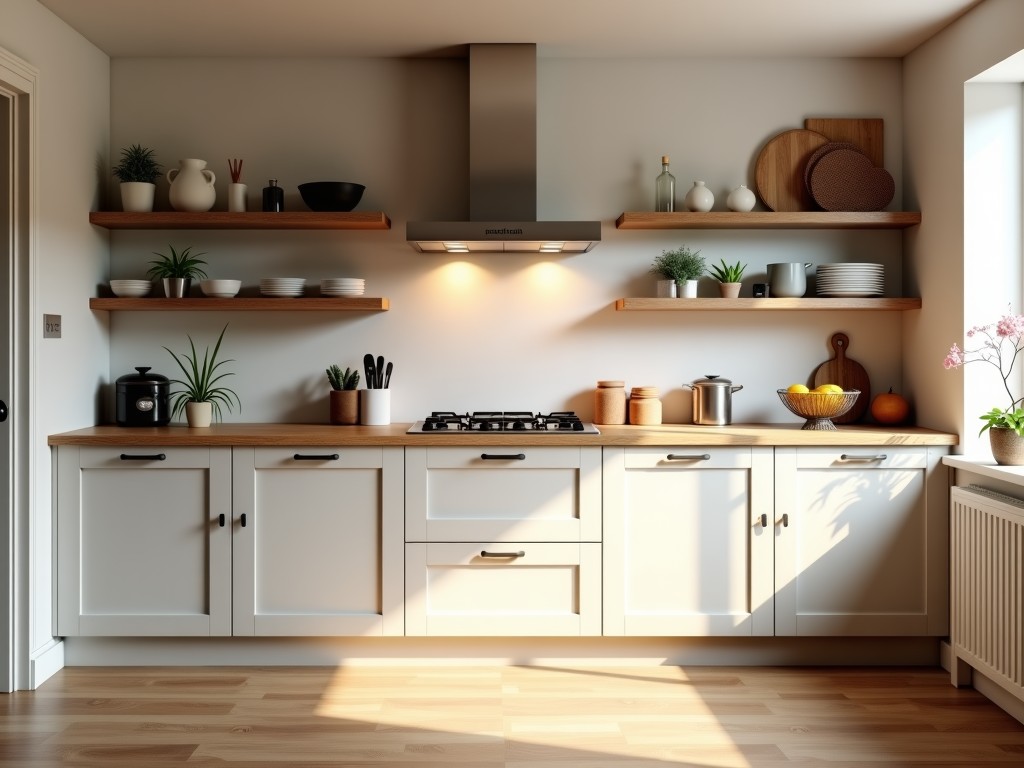
Cheap Built In Kitchen Storage Cabinets
Cheap Built In Kitchen Storage Cabinets
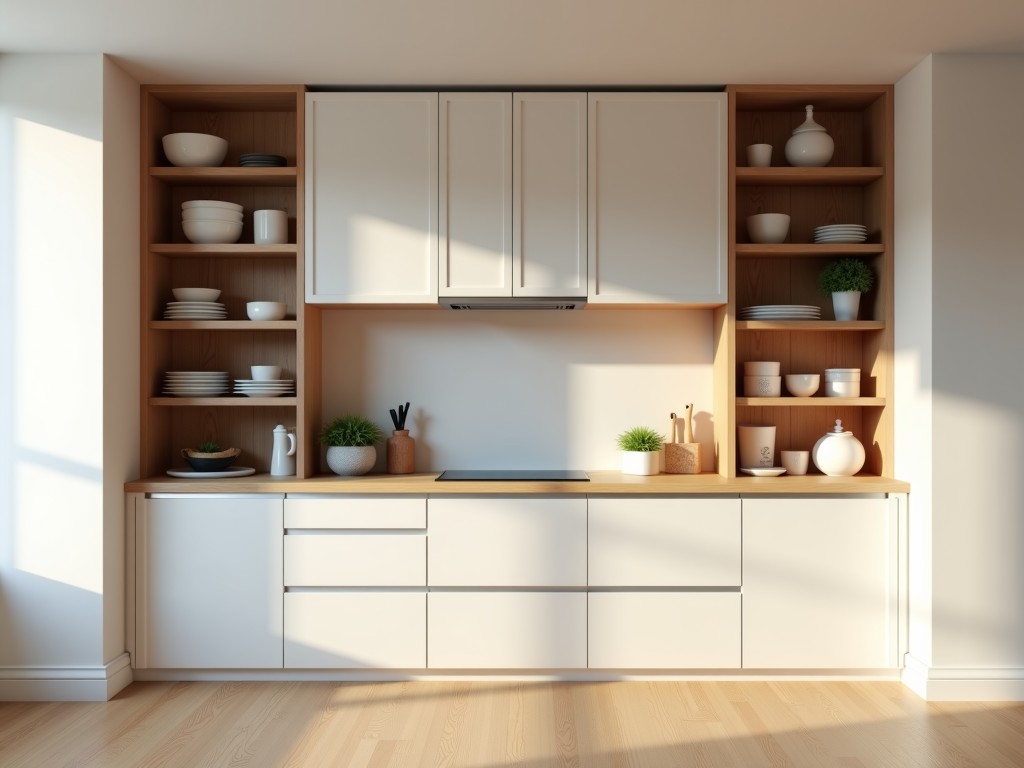
Engineering Specifications for Built-In Kitchen Storage Cabinets
Integrating built-in kitchen storage systems requires a transition from aesthetic focus to structural integrity, material science, and ergonomic efficiency. In commercial and high-end residential environments, kitchen cabinetry must withstand constant thermal fluctuations, humidity exposure, and repetitive mechanical loading without losing dimensional stability. Selecting the right system involves evaluating the core material's density, the rating of the hardware, and the precision of the joinery process.
Material Selection and Structural Integrity
The longevity of a built-in unit is primarily determined by the substrate. While standard-grade particle board is common in low-cost applications, industrial-grade cabinetry demands high-density fiberboard (HDF) or moisture-resistant plywood to prevent delamination and warping.
- Marine-Grade Plywood: Offers superior screw-holding strength and water resistance for base units located near sinks and heavy plumbing zones.
- High-Density Fiberboard (MFC): Engineered for dimensional stability, ensuring that frames and doors remain perfectly aligned in high-humidity environments.
- Melamine-Laminated Surfaces: Utilized for carcasses to provide high abrasion resistance and ease of sanitation in high-traffic kitchens.
Mechanical Performance and Hardware Standards
The functional life of built-in storage depends on the mechanical hardware. Procurement teams should evaluate cycle-ratings for hinges and drawer slides, seeking components rated for at least 50,000 cycles. Soft-close mechanisms are not merely a luxury feature; they reduce impact-related mechanical stress on the cabinet joints over time.
| Specification Category | Standard Grade | Industrial/Premium Grade |
|---|---|---|
| Carcass Thickness | 15mm - 18mm | 19mm - 25mm (Reinforced) |
| Drawer Load Capacity | 30kg | 55kg - 75kg (Full-extension) |
| Hinge Type | Standard Overlay | 3D Adjustable / Soft-close |
| Edge Banding | PVC Pressed | PUR-Bonded / Solid Wood |
Manufacturing Process and Tolerance Control
Precision in built-in cabinetry is achieved through CNC-driven machining. Unlike manual assembly, CNC-routed production ensures that tolerances are maintained within ±0.5mm. This consistency is critical for built-in installations where the gaps between doors and frames must be uniform across the entire wall run.
Our manufacturing workflow utilizes PUR (Polyurethane) adhesive for edge banding. Unlike standard hot-melt, PUR creates a waterproof bond that is resistant to heat and moisture, effectively preventing moisture ingress into the core material—the leading cause of edge swelling.
Customization and Project Integration
- Appliance Housing: Precision frames for integrated ovens, dishwashers, and refrigeration with proper ventilation clearances.
- Corner Solutions: Lazy Susans or carousel systems to maximize usable volume in non-linear zones.
- Variable Height Adjustment: Adjustable plinth systems to compensate for uneven flooring during final installation.
Quality Assurance and Logistics Protocols
To ensure site-ready delivery, units are packed in reinforced corrugated cardboard with internal corner bracing. This mitigates risk during transit and maintains the calibrated alignments. Each batch undergoes a visual inspection for surface finish integrity and hardware-level testing before shipment.
Ready to discuss technical specifications?
Whether you are managing a large-scale commercial project or a bespoke residential installation, our engineering team can provide technical drawings and material data sheets upon request.
Request Technical Consultation & Quotation