Cheap Built In Cabinets
Cheap Built In Cabinets
Engineering Cost-Effective Built-In Cabinetry for Commercial and Industrial Infrastructure
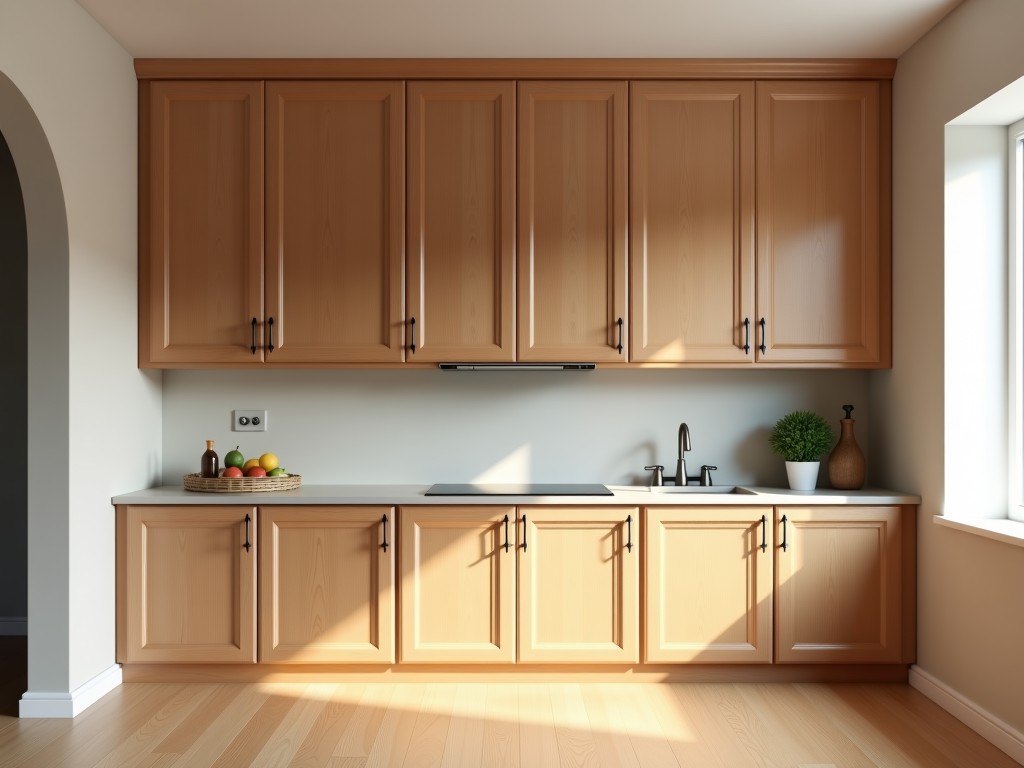
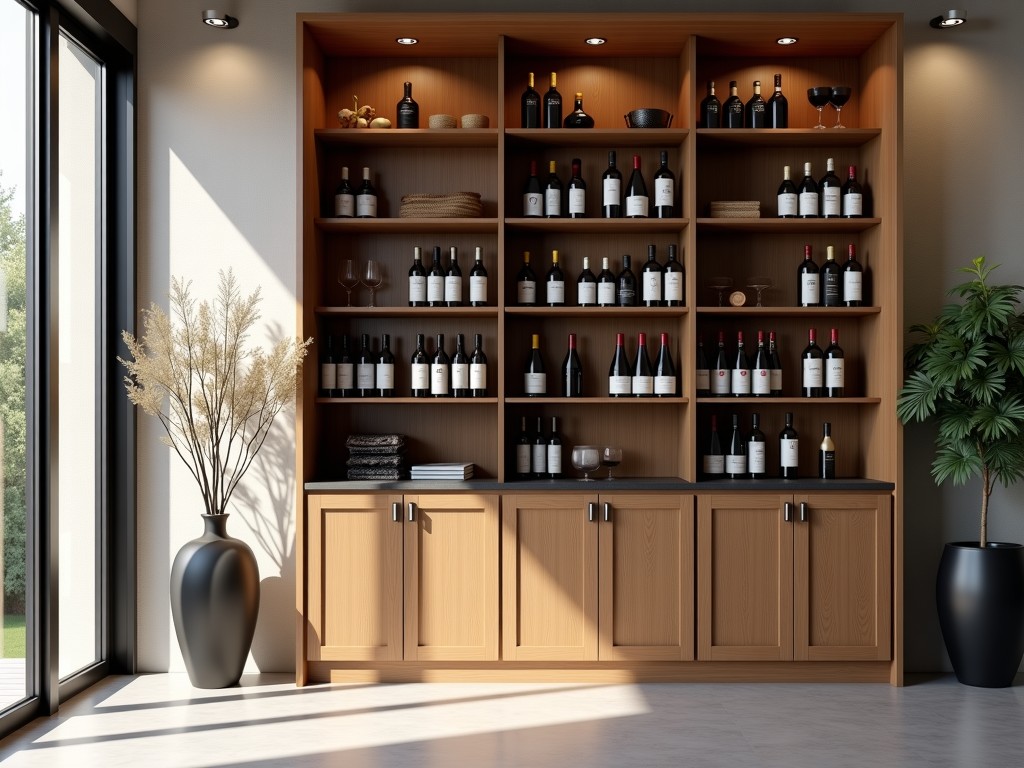
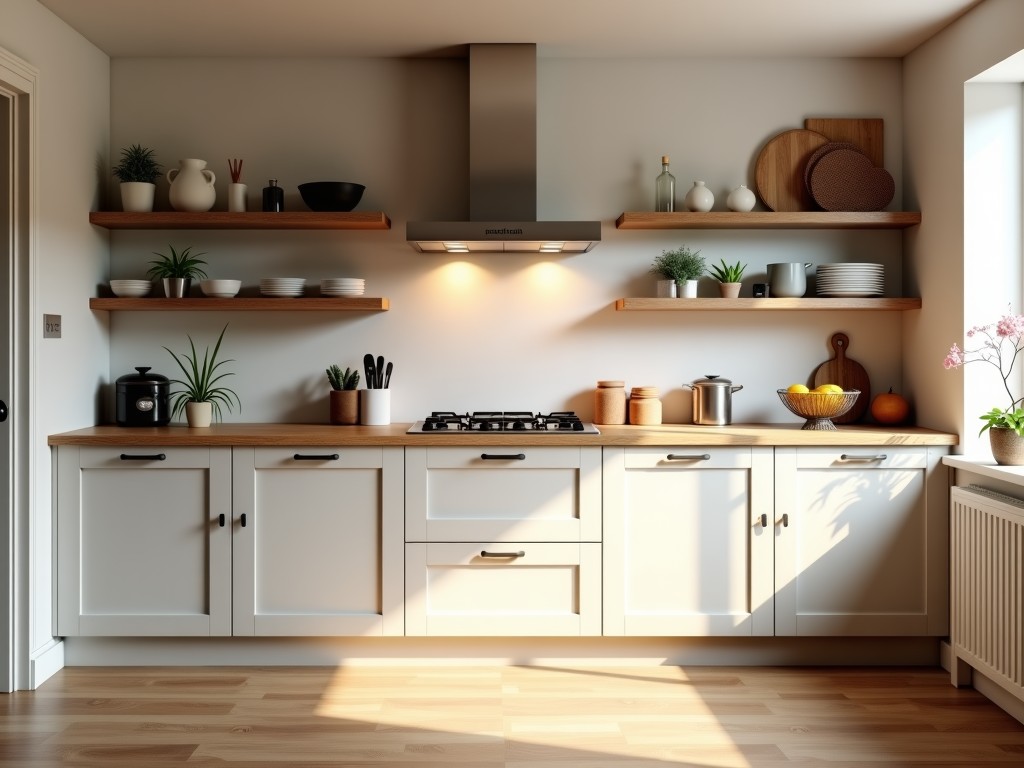
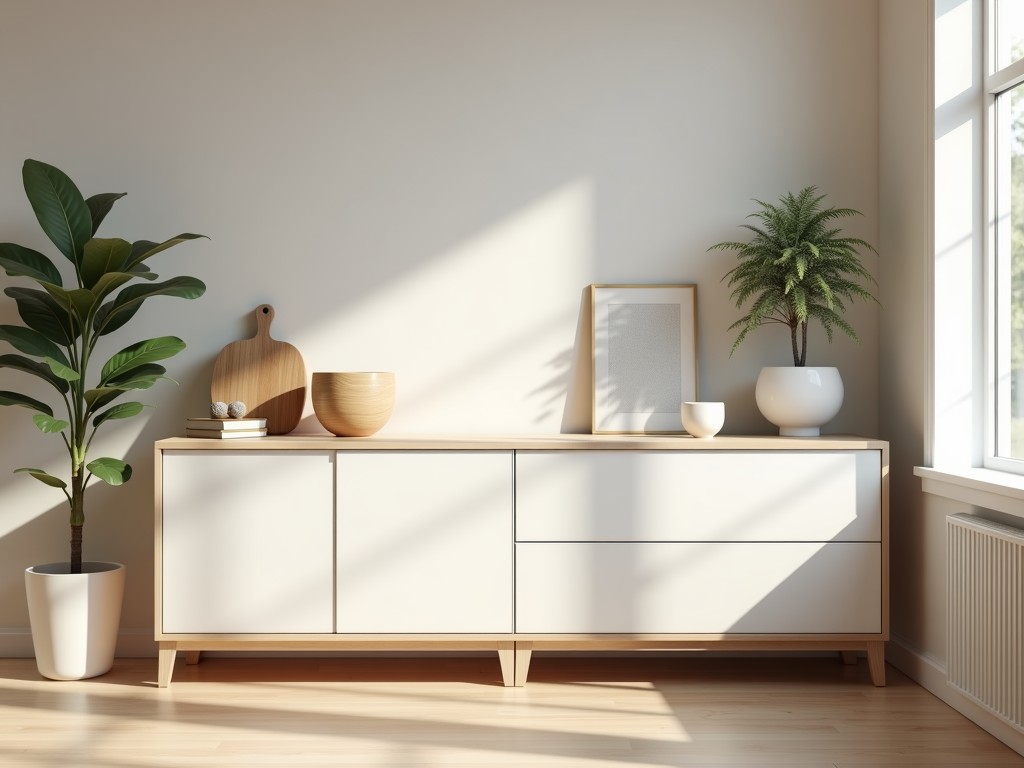
Procuring cost-effective built-in cabinetry requires a technical balance between material structural integrity and fiscal responsibility. In large-scale fitouts, "cheap" should not refer to inferior quality, but rather to the optimization of manufacturing processes, material selection, and standardized components to reduce the price per square meter without compromising dimensional stability or load capacity. Our built-in solutions are engineered to integrate seamlessly into existing architectural frameworks, minimizing labor-intensive on-site modifications.
Material Selection: Balancing Cost with Durability
The longevity of built-in units is dictated by the core material and its environmental resistance. To achieve competitive pricing, we utilize high-density particle board (HDP) and moisture-resistant (MR) plywood grades. Unlike standard consumer-grade furniture, these materials are selected for their resistance to warping and expansion, which is critical in environments with fluctuating humidity like commercial kitchens or laboratory facilities.
For surface finishes, we prioritize Low-Pressure Laminates (LPL) and Melamine-faced panels. These materials offer a high rating against abrasion, chemical cleaners, and impact, significantly reducing maintenance costs over the asset lifecycle. By avoiding expensive veneers in favor of high-performance laminates, procurement reduce unit cost while maintaining a professional aesthetic suitable for industrial-grade applications.
Technical Specifications and Standard Configurations
| Parameter | Standard Specification | Engineering Benefit |
|---|---|---|
| Carcass Thickness | 18mm (±0.2mm) | Structural load-bearing for heavy equipment |
| Back Panel Material | 6mm - 9mm Recessed | Prevents shearing and lateral misalignment |
| Hardware Grade | Soft-close / Zinc-alloy | High-cycle durability (50k+ opens cycles) |
| Edge Banding | PVC / ABS Glued | Water-resistant joint sealing |
Manufacturing Efficiency and Cost Reduction
Cost-effectiveness is achieved through CNC-driven precision manufacturing. By utilizing automated cutting and edge banding lines, we ensure dimensional consistency within a ±0.5mm tolerance. This precision reduces the time required for on-site installation, which is often the most expensive variable in a built-in installation project.
Our modular approach allows for the use of standardized cabinet boxes that can be configured to fit specific dimensions. This de-coupling strategy minimizes material waste and streamlines the supply chain, allowing us to offer customized cabinetry solutions without the premium price of bespoke handcraftedwork.
Application Scenarios for Industrial Use
- Commercial Offices: High-capacity storage units designed for document management and high-traffic employee zones.
- Hospitality & Food Service: Moisture-resistant cabinetry for breakrooms and secondary kitchen prep areas.
- Educational Facilities: Durable, easy-to-clean units for high-density student environments.
- Light Industrial Warehousing: Integrated storage for tool-kits and inventory control stations.
Frequently Asked Questions
How do you handle non-square wall dimensions during installation?
We utilize adjustable filler panels and scribed strips. This allows our standardized modular units to be perfectly adapted to uneven architectural surfaces, ensuring a flush fit without requiring custom-sized every cabinet box.
What is the typical lead time for large-scale procurement?
Lead times vary based on volume but typically range from 4 to 8 weeks from technical drawing approval. Our CNC production capacity allows us to maintain consistent schedules compared to traditional manual workshops.
Can the hardware be specified for heavy loads?
Yes. While we offer standard-grade hardware for cost-efficiency, we can integrate heavy-duty telescopic slides and reinforced hinges for applications requiring high weight-bearing capacity, upon review by our engineering team.
Discuss Your Project Specifications
Share your floor plans, material requirements, or technical drawings with our engineering team for a detailed proposal and cost analysis.
Request Technical Quotation