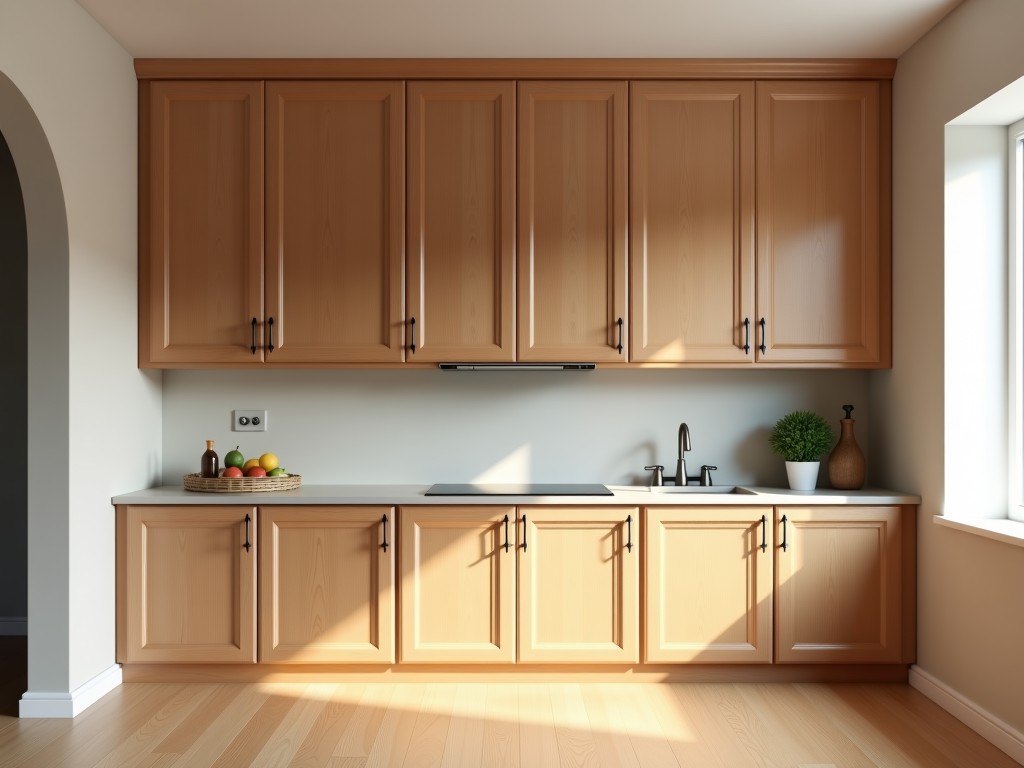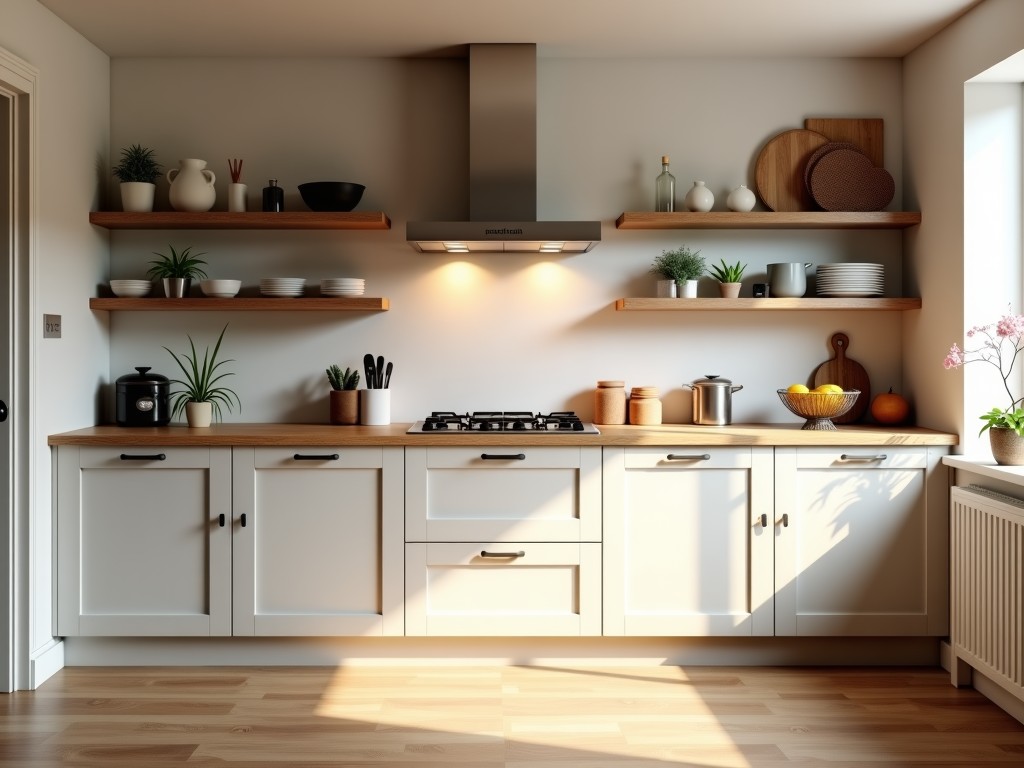
Built In Outdoor Kitchen Cabinets Supplier
Built In Outdoor Kitchen Cabinets Supplier
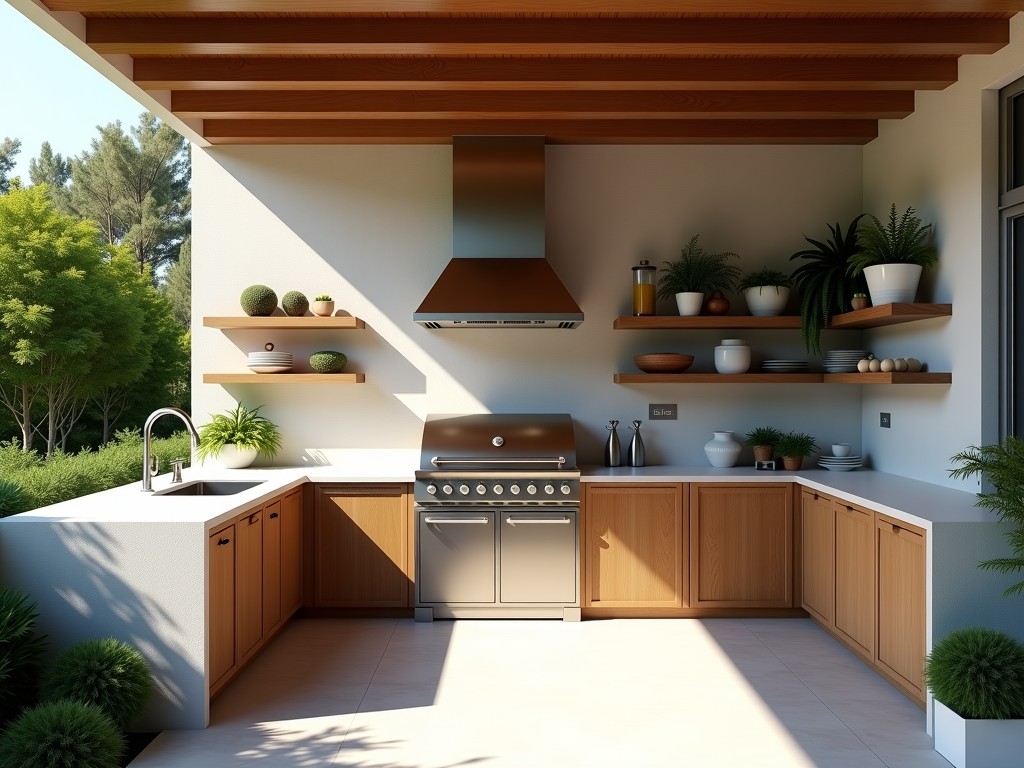
Built-in Outdoor Kitchen Cabinets: Engineered for Weather Resistance and Structural Integrity
Outdoor kitchens face constant exposure to UV radiation, moisture, temperature swings, and airborne particulates—conditions that rapidly degrade standard cabinetry. Built-in outdoor kitchen cabinets must maintain dimensional stability, resist corrosion, and support heavy appliance loads without warping, delaminating, or requiring frequent maintenance. This article explains the material choices, construction methods, and performance characteristics that ensure long-term functionality in demanding exterior environments.
Material Selection for Exterior Durability
The foundation of a durable outdoor cabinet lies in material resistance to hydrolysis, UV degradation, and galvanic corrosion. Marine-grade polymer composites, such as high-density polyethylene (HDPE) reinforced with fiberglass, are commonly used for cabinet bodies due to their zero moisture absorption and inherent resistance to salt spray and chlorine. Unlike wood or plywood, these materials do not swell, rot, or support mold growth, even after years of direct rain exposure.
For structural frames and load-bearing components, powder-coated aluminum alloys (typically 6063-T5 or 6061-T6) provide a favorable strength-to-weight ratio with excellent corrosion resistance when properly anodized or coated. The powder coating process creates a uniform, thick film that resists chipping and fading, critical for maintaining appearance and protection in high-UV climates. Stainless steel (grade 304 or 316) is selected for hinges, handles, and internal brackets where mechanical strength and resistance to pitting corrosion are paramount, especially in coastal installations.
Construction Methods Ensuring Long-Term Stability
Cabinet assembly avoids traditional wood joinery susceptible to environmental stress. Instead, modular panels are joined using corrosion-resistant mechanical fasteners (stainless steel screws and bolts) combined with UV-stable adhesive seals at panel edges. This method allows for thermal expansion and contraction without inducing joint fatigue or water ingress. Drainage channels and ventilation gaps are integrated into the base and rear panels to prevent water pooling and promote air circulation, reducing condensation buildup behind appliances.
Countertop support frames are engineered to handle concentrated loads from grills, sinks, and refrigeration units—often exceeding 150 kg per linear meter. Deflection is limited to less than 2 mm under full load through strategic ribbing and cross-bracing in the sub-frame, verified via finite element analysis during design. All load paths are directed to the structural frame, not the decorative cladding, ensuring that aesthetic panels remain non-structural and replaceable.
Typical Specifications and Performance Characteristics
| Parameter | Typical Value / Range | Notes |
|---|---|---|
| Cabinet Body Material | HDPE-Fiberglass Composite | 0% moisture absorption, UV-stabilized |
| Frame Material | Powder-Coated Aluminum (6063-T5) | Coating thickness: 60–80 μm |
| Hardware Grade | Stainless Steel 304/316 | Hinges, handles, brackets |
| Load Capacity (per linear meter) | 150–200 kg | Evenly distributed; verified via FEA |
| Max Deflection Under Load | < 2 mm | At midspan, 1000 mm span |
| Operating Temperature Range | -20°C to 60°C | No embrittlement or warping |
| UV Resistance (ASTM G154) | > 1500 hours with minimal ΔE | Color stability under accelerated weathering |
Customization Options for Integrated Design
Built-in cabinets are designed to integrate seamlessly with specific appliance layouts, countertop materials, and architectural features. Panel dimensions, door configurations (hinged, slide-out, lift-up), and internal accessories (drawers, trash pull-outs, spice racks) are adjusted according to project drawings. Cutouts for grills, sinks, and electrical conduits are precision-machined during fabrication to ensure clean edges and proper sealing.
Surface finishes can be matched to surrounding hardscaping—textured finishes mimic stone or wood grain without the maintenance drawbacks. Color options are pigmented throughout the material, eliminating the risk of chipping or peeling associated with painted surfaces. For OEM clients, cabinets can be supplied as knock-down kits with labeled components and assembly instructions, reducing on-site labor and minimizing damage during transit.
Packaging, Logistics, and Installation Considerations
To prevent damage during transport, cabinets are packed in nested configurations with edge protectors and moisture-barrier wraps. Flat-pack design reduces volume by up to 60%, lowering freight costs and simplifying handling. Each package includes a detailed installation guide, gasket kit, and corrosion-resistant fasteners—all labeled for easy identification. Installation typically requires only standard tools and can be completed by a qualified contractor in one day for a standard layout.
Site preparation is critical: a level, load-bearing concrete pad or paver base must be provided, with proper slope for drainage. Cabinets are secured using anchor brackets embedded into the substrate, preventing uplift from wind loads. Sealing joints between cabinets and countertops with UV-stable silicone ensures long-term water resistance at interfaces.
Quality Control and Long-Term Performance
Every unit undergoes dimensional verification, finish inspection, and hardware function testing before packaging. Material batches are tested for melt flow index (for polymers) and coating adhesion (for aluminum) to ensure consistency. While no product is maintenance-free, these cabinets require only periodic cleaning with mild soap and water—no sealing, staining, or rust treatment is needed. Expected service life exceeds 15 years in most climates, with minimal degradation in appearance or function.
Common field issues—such as door sagging or water staining—are typically traceable to improper installation (e.g., uneven base, missing drainage) rather than material failure. Providing clear installation guidelines and load specifications helps integrators avoid these pitfalls, reducing warranty claims and improving end-user satisfaction.
Discuss Your Project Requirements
If you are specifying outdoor kitchen cabinetry for a residential, hospitality, or commercial project, sharing your layout drawings, appliance list, and environmental conditions enables our engineering team to recommend the optimal material configuration, frame design, and accessory layout. We provide detailed submittals, including load tables, material data sheets, and installation details, to support procurement and approval processes.
Share your project specifications for a customized proposal.