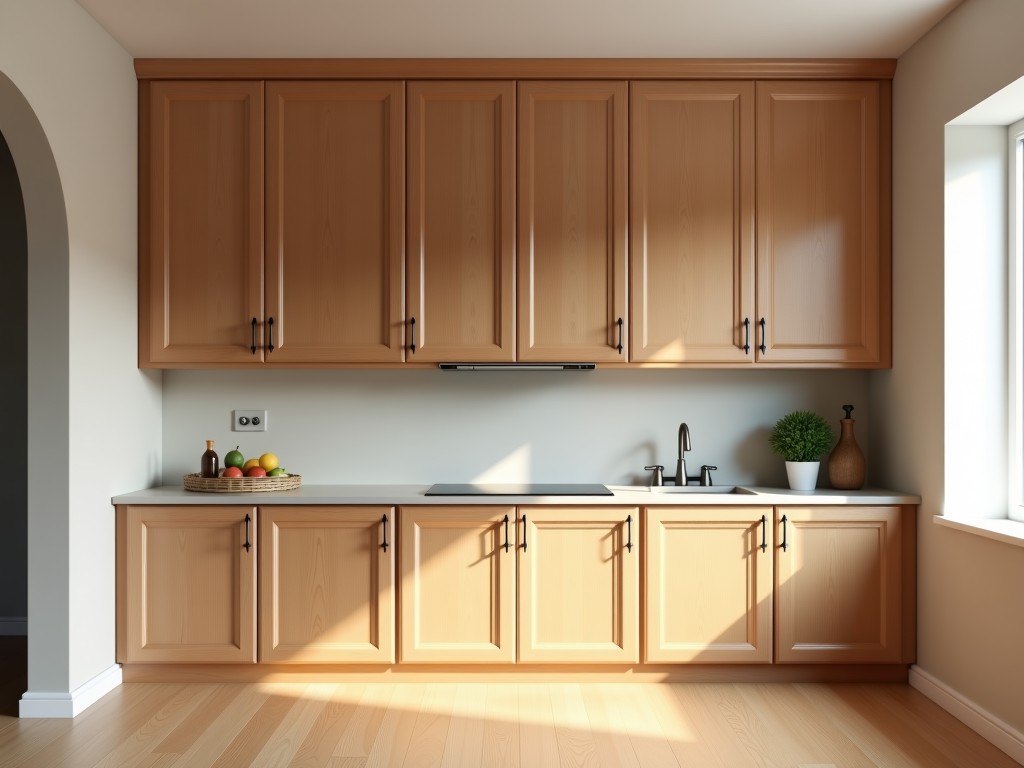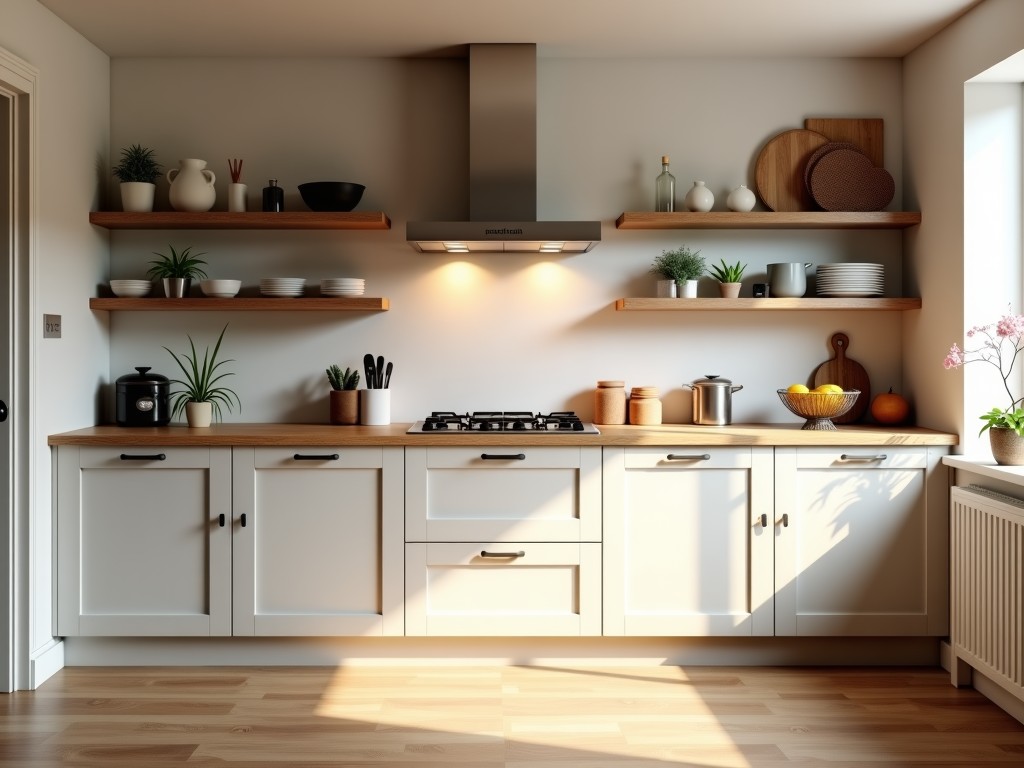
Built In Kitchen Cabinet Design Ideas For Sale
Built In Kitchen Cabinet Design Ideas For Sale
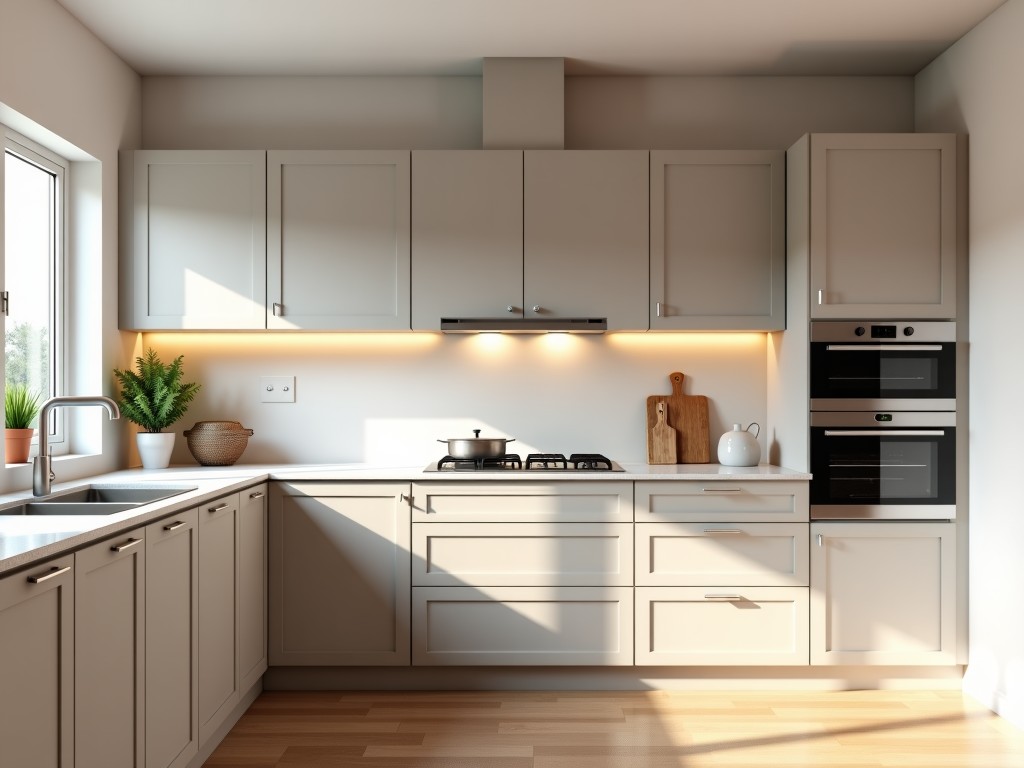
Engineering Precision in Integrated Kitchen Cabinetry Design and Material Selection
Designing functional kitchen systems requires a transition from purely aesthetic considerations to structural engineering and ergonomic workflow. In commercial-grade environments or high-end residential projects, the cabinet design must account for load-bearing capacities, moisture resistance, and mechanical hardware durability. Selecting the right layout and material composition directly correlates to the long-term operational efficiency and maintenance cost profile of the installation.
Structural Layout Optimization and Workflow Efficiency
The efficiency of a kitchen design is dictated by the "work triangle" principle—optimizing the distance between refrigeration, sanitation, and cooking zones. From a technical perspective, this involves minimizing travel paths while ensuring unobstructed appliance clearance. Modern design ideas often prioritize linear or L-shaped configurations to maximize continuous surface area, which is critical for high-volume preparation tasks.
- Zone-Based Planning: Separating wet zones, dry zones, and thermal zones allows for simultaneous task execution without physical interference.
- Integrated Corner Solutions: Utilizing blind-corner pull-outs or "LeMans" systems eliminates dead space in 90-degree junctions, increasing volumetric efficiency of deep storage.
- Vertical Space Utilization: Implementing floor-to-ceiling cabinetry maximizes storage density and provides specialized housing for seldom-used industrial equipment.
Material Science in Cabinetry Construction
The core of the cabinet system determines its resistance to dimensional change under humidity and thermal stress. Procurement teams must evaluate the substrate material based on the specific environment of the kitchen. While solid wood offers traditional appeal, high-density fiberboard (HDF) and marine plywood often provide superior stability in high-moisture areas near sinks and dishwash.
| Substrate Material | Technical Characteristics | Typical Application |
|---|---|---|
| Marine Grade Plywood | High moisture resistance, superior screw-hold. | Wet zones, base base units. |
| MDF (Melamine) | Exceptional flatness, uniform surface finish. | Upper cabinets, painted doors. |
| Particle Board (High Density) | Cost-effective, stable dimensional stability. | Internal shelving, dry zones. |
Mechanical Hardware and Tolerance Standards
The longevity of kitchen cabinet design is limited by the mechanical interfaces. Industrial-grade hinges and drawer slides must utilize soft-close mechanisms rated for high-cycle duty cycles (typically 50,000+ openings). Precision tolerances in door alignment ensure that gaps remain consistent over years of thermal expansion and load-bearing stress on heavy pull-out units.
When specifying hardware, evaluate the three-axis adjustment capabilities. Heavy-duty drawer pans require cast-steel runners with a load capacity of 45kg to 75kg to prevent structural deformation of the cabinet carcass over time.
Customization and Manufacturing Specifications
Standardized cabinetry often fails to meet the requirements of complex architectural plans. Custom manufacturing allows for the integration of specialized appliance dimensions, custom venting for electronic components, and reinforced framing for stone countertops. Our process utilizes CAD-driven fabrication to ensure millimeter-level accuracy across all components.
Project Inquiry Requirements
To provide a technical proposal for your kitchen project, please provide the following specifications:
- Site plan with existing utility locations.
- Preferred appliance specification sheets (clearance requirements).
- Material preference based on environmental factors (moisture/heat exposure).
- Estimated project volume and installation timeline.
Frequently Asked Questions
How is moisture resistance handled in high-humidity environments?
We specify PVC-edge-banding with PUR adhesives and marine-grade plywood for base units to prevent water ingress into the core, which prevents swelling and structural degradation.
What is the standard load capacity for custom drawer units?
Standard industrial-grade slides are rated for 45kg, while heavy-duty reinforced runners can support up to 75kg, depending on the hardware model specifications.
Can cabinetry accommodate non-standard appliances?
Yes, our manufacturing process allows for custom framing and carcass modifications to fit non-standard equipment dimensions, provided technical drawings are supplied.