Bbq Island Cabinet Design Wholesale
Bbq Island Cabinet Design Wholesale
Engineering Considerations for Custom BBQ Island Cabinet Design
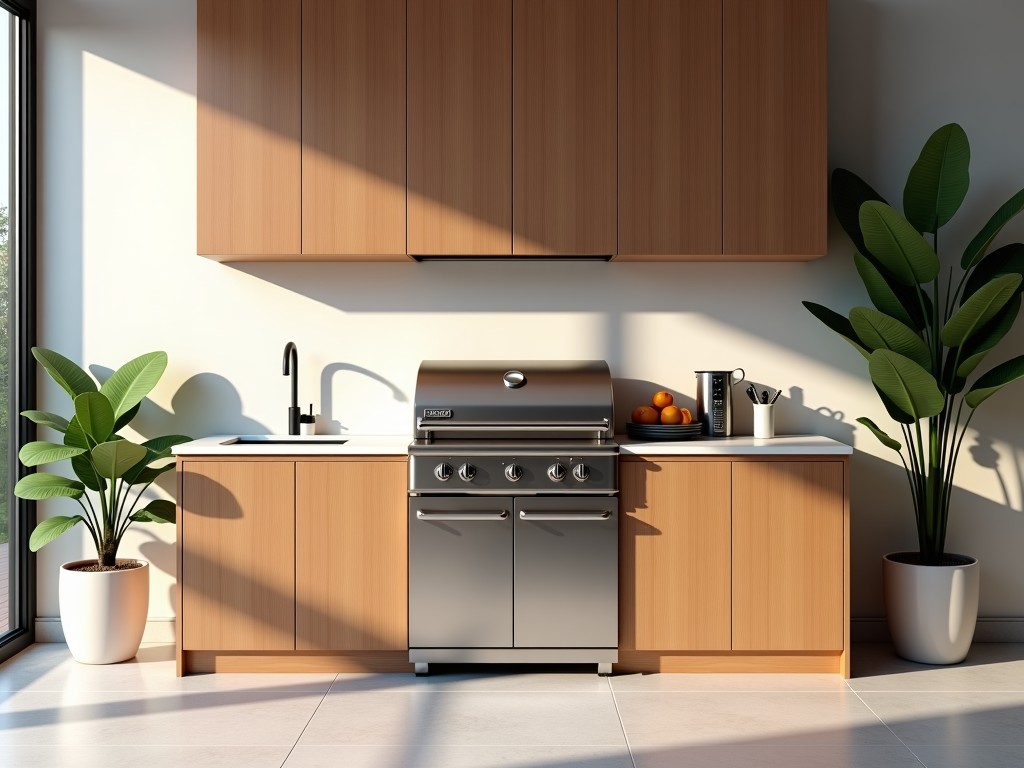
Designing a functional BBQ island cabinet requires a shift from aesthetic focus to structural engineering and material management science. Unlike standard outdoor furniture, an industrial-grade island unit must withstand high thermal gradients, fluctuating humidity levels, and significant mechanical loads without compromising structural integrity or surface finish. For procurement managers and design engineers, the priority lies in material compatibility, corrosion resistance, and the seamless integration of heavy-duty appliances like professional burners and refrigeration units.
Material Selection for Harsh Outdoor Environments
The primary failure point in outdoor kitchen cabinetry is galvanic corrosion and thermal expansion. Selecting the right substrate is dictated by the local climate and the expected duty cycle of the island. While standard steel is common in consumer-grade units, industrial specifications demand alloys that offer superior strength-to-weight ratios and chemical stability.
- 304 Stainless Steel: The industry standard for high-durability applications. Its high chromium content provides excellent resistance to oxidation, making it ideal for coastal or high-humidity environments.
- 316 Stainless Steel: Often specified for marine-grade installations where salt air is prevalent. The molybdenum addition enhances pitting resistance compared to 304 series.
- Aluminum Alloy (6061-T6): Utilized for lightweight frameworks where thermal conductivity is a concern. It forms a natural oxide layer that prevents corrosion, though it requires careful isolation from steel hardware.
| Technical Specification | Standard Range | Engineering Benefit |
|---|---|---|
| Material Gauge Thickness | 14ga to 16ga | Structural load-bearing capacity for heavy appliances. |
| Surface Finish Grade | No. 4 Satin / 80 Grit | Reduces visible scratches and hides surface wear. |
| Welding Process | TIG (Tungsten Inert Gas) | Precision penetration with clean aesthetic joints. |
| Tolerance Level | ± 1.5mm | Ensures alignment of recessed appliance cutouts. |
Thermal Management and Structural Integrity
A critical oversight in BBQ island design is the dissipation of heat. High-output BTU burners generate significant radiant heat that can warp metal or degrade internal cabinetry if not properly vented. Engineering designs must incorporate dedicated air channels for natural convection and thermal breaks between the heat source and the structural cabinet frame.
We utilize a reinforced skeleton construction method to distribute the weight of stone countertops (such as granite or quartz) across the entire footprint, rather than relying on the skin of the cabinet panels. This prevents the "oil-canning" effect that often leads to doors binding or drawers misaligning after repeated thermal cycles.
Customization and OEM Integration
For large-scale residential developments or commercial hospitality projects, modular customization is often required to meet project timelines. Our design process allows for the integration of specific plumbing manifolds, gas lines, and electrical conduits directly into the cabinet framework. This reduces on-site labor and ensures precise appliance fit.
Available Configuration Options
- Custom-cutouts for drop-in grills, side burners, and sinks.
- Integrated storage for heavy-duty drawer systems with soft-close hardware.
- Configurable base configurations for level installation on uneven substrates.
- OEM-labeling and bespoke powder finish specifications.
Quality Control and Logistics Standards
Every unit undergoes a rigorous inspection process to verify weld integrity and dimensional accuracy. This includes testing for door clearance and ensuring that all load-bearing components are secured under maximum load. For international shipping, we utilize custom-built wooden crates with internal bracing to prevent any mechanical stress during transit. This proactive approach minimizes the risk of transit damage and ensures that the precision-aligned frames remain within tolerance upon arrival.
Ready to discuss technical specifications for your next project?
Share your drawings or material requirements with our engineering team for a customized proposal.
Request a Technical Consultation