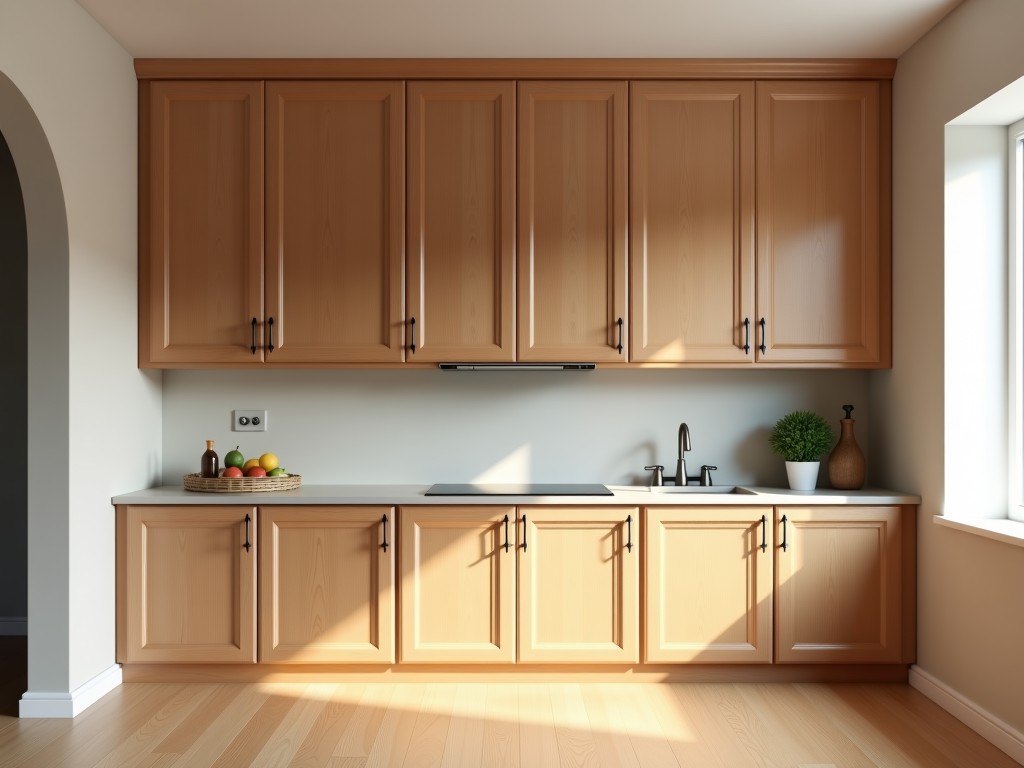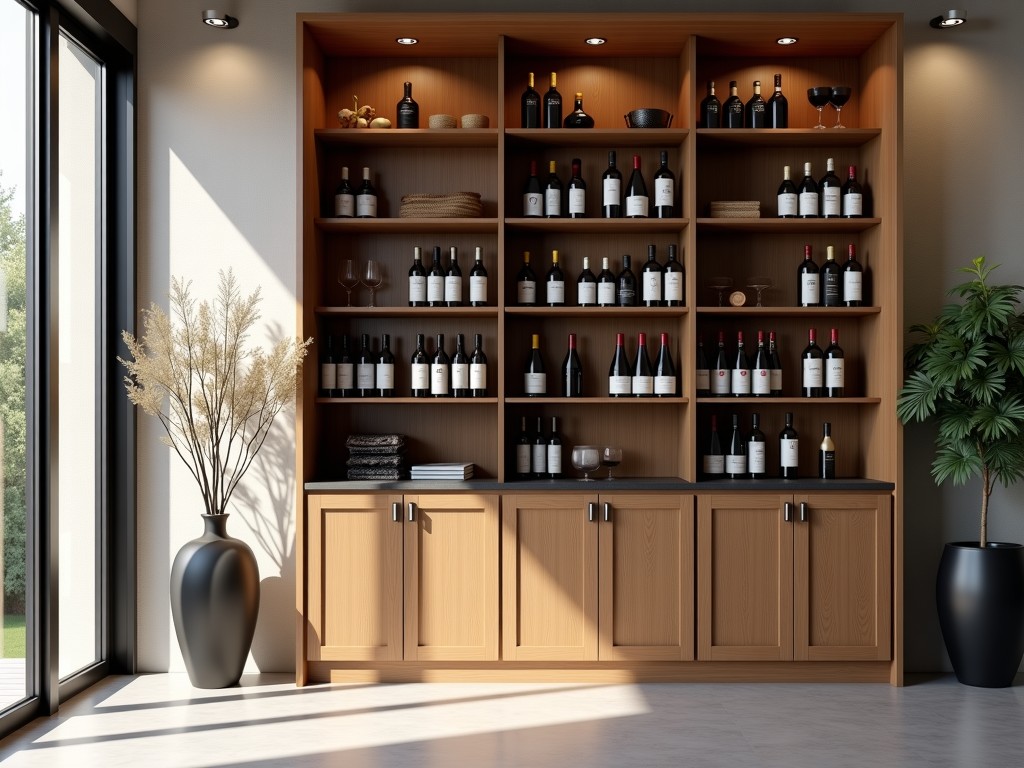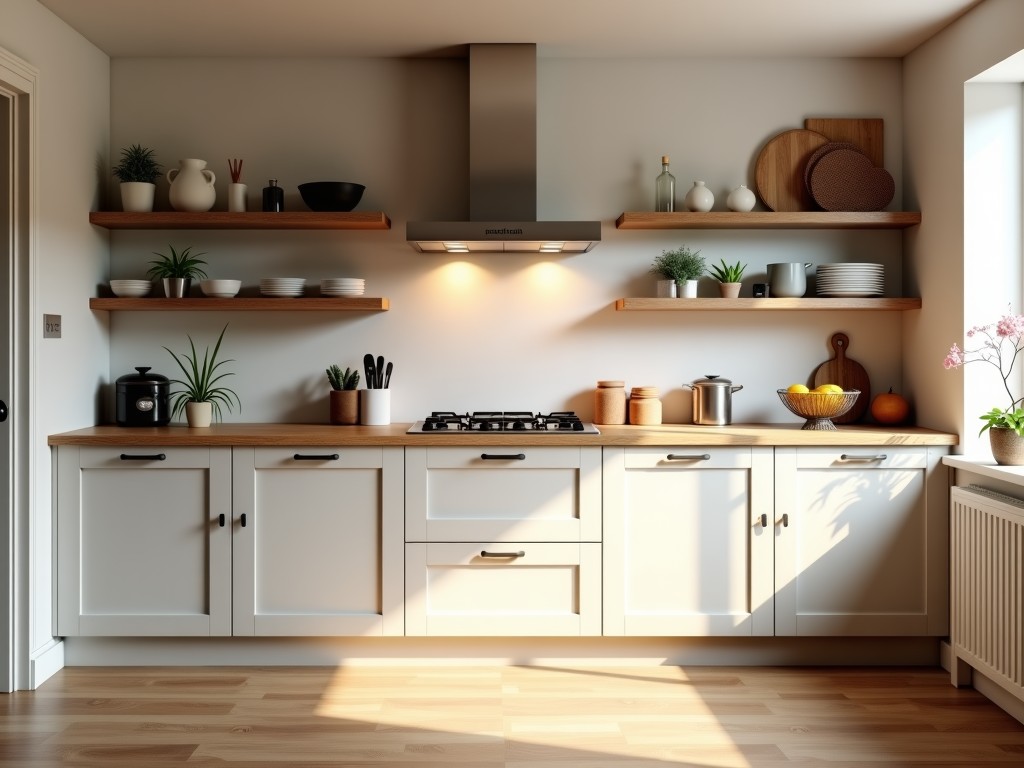
Average Cost Of Built In Cabinets Factory Sale
Average Cost Of Built In Cabinets Factory Sale
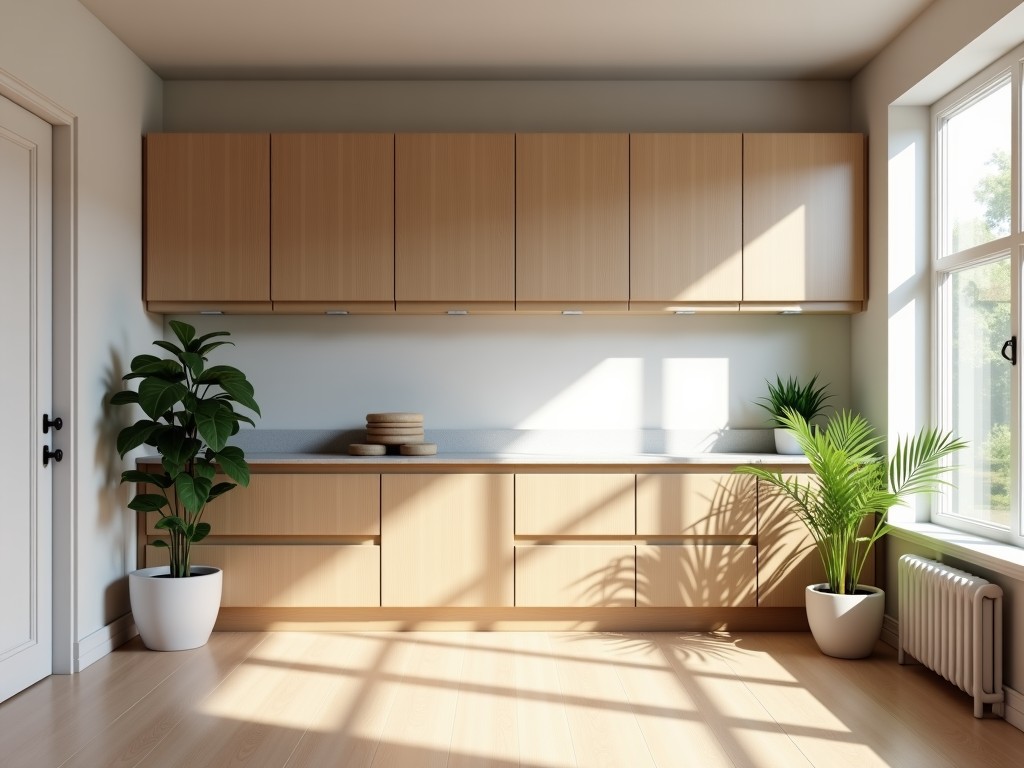
Analyzing the Average Cost of Built-in Cabinets: Engineering and Procurement Variables
Determining the average cost of built-in cabinets requires moving beyond simple square-foot estimates. In industrial and commercial-grade applications, cost is a function of material density, hardware performance specifications, and the specific operational environment to which the units will be exposed. Whether for laboratory settings, commercial kitchens, or specialized manufacturing office facilities, the price point is dictated by the structural integrity of the carcass and the durability of the surface finishes.
Primary Drivers of Unit Pricing
The financial variance in built-in cabinetry typically stems from the core material selection. Standard-grade particle board (MDF) offers the lowest entry price but often lacks the moisture resistance and screw shear strength required for high-traffic or vapor-intensive environments. Procurement teams must weigh the initial capital expenditure against the long-term maintenance costs and replacement frequency of the chosen material.
- Core Construction: Use of 18mm-23mm Baltic plywood versus furniture-grade MDF significantly increases cost but improves dimensional stability.
- Hardware Specifications: Soft-close mechanisms, heavy-duty slides (rated for 45kg+), and integrated organizers add cumulative hardware costs.
- Surface Treatment: High-pressure laminates (HPL) provide superior abrasion resistance compared to thin veneers or low-VOC paints.
- Complexity of Geometry: Standard-dimension modules minimize labor time, whereas custom-fit-to configurations increase labor hours and CNC programming.
Cost Comparison by Material and Performance Tier
The table below outlines typical cost ranges based on industry standards for material performance tiers. These figures represent manufacturing and material costs, excluding professional installation and specialized site logistics.
| Material Tier | Primary Material | Estimated Cost Range (per Linear Foot) | Typical Application |
|---|---|---|---|
| Economy | MDF / Melamine Particle Board | $150 - $300 | Residential storage, temporary facilities |
| Standard | Plywood Core / HPL Facing | $300 - $600 | Commercial offices, retail displays |
| Industrial/Premium | Marine Plywood / Metal Frame | $600 - $1,200+ | Laboratories, heavy-duty industrial kitchens |
Engineering Perspective: Why Prices Vary
From an engineering standpoint, the "average cost" is often misleading because it ignores the structural load requirements. In environments with high humidity or temperature fluctuations, the expansion coefficient of the material can lead to door misalignment or hardware failure. Utilizing moisture-resistant edge banding (such as PUR adhesives) ensures that the structural integrity of the carcass remains over a 10-year lifecycle.
Furthermore, the join method is a critical cost factor. Traditional dowel-and-glue construction is labor-intensive, whereas CNC-machined cam-lock or specialized racking systems offer higher precision and faster assembly times. For large-scale projects, the efficiency of modular manufacturing can significantly reduce the total cost of ownership without compromising durability.
Selection Guide for Procurement Managers
When requesting quotes for built-in cabinetry, specifying technical parameters is essential to ensure "apples-to-apples" comparisons. Avoid vague descriptions and instead define the following performance metrics:
Technical Specifications to Include in RF
- Carcass Thickness: Specify 18mm vs 25mm for increased load-bearing capacity.
- Hardware Rating: Define the maximum weight capacity per shelf and drawer.
- Finish Hardness: Request specific Shore hardness or HPL-rating finishes for high-abrasion surfaces.
- Compliance: Ensure E0 or CARB Phase 2 emission standards for indoor air quality requirements.
Frequently Asked Questions
Does installation affect the total project cost significantly?
Yes. Installation typically accounts for 25% to 40% of the total project cost, depending on site complexity, existing obstructions, and the need for on-site scrib modifications.
What is the lead time for custom industrial cabinetry?
Standard modular units may be available in 4-6 weeks, while custom-engineered solutions involving specialized materials or metal frames often require 10-14 weeks for material sourcing and precision production.
Can I specify existing hardware for upgrades?
Most manufacturers can integrate specified hardware brands (e.g., Blum, Hettich) provided the technical drawings are shared during the CAD design phase.
Ready to finalize your specifications?
Share your drawings or project requirements with our engineering team for a customized technical proposal.
Request a Technical Consultation