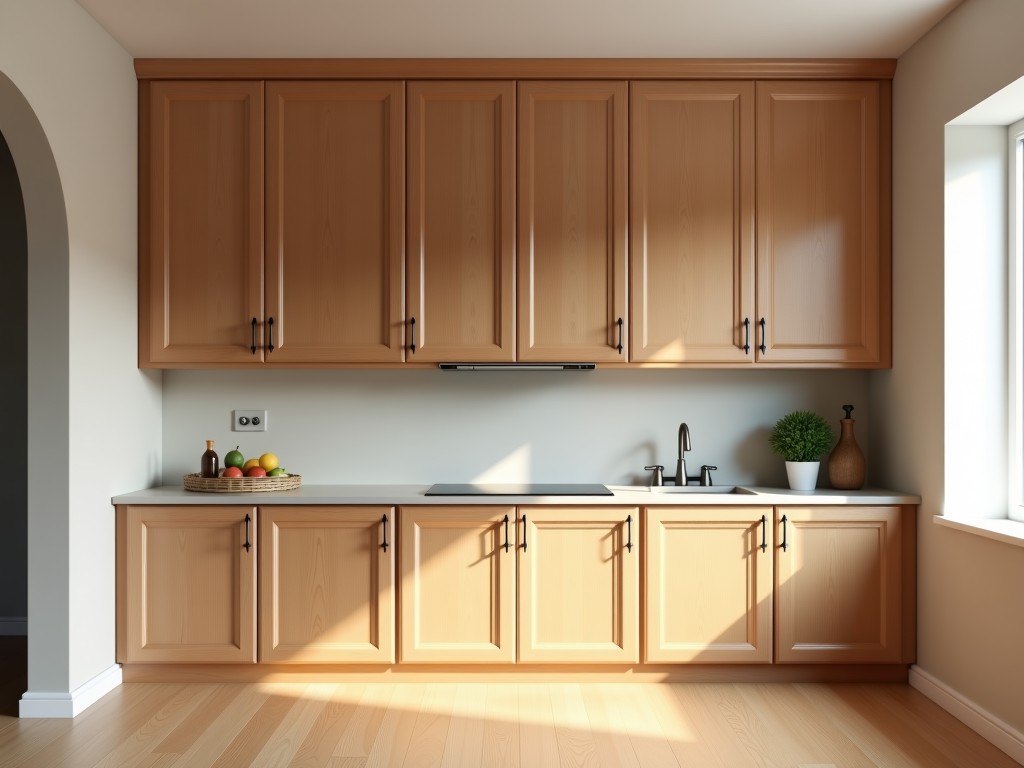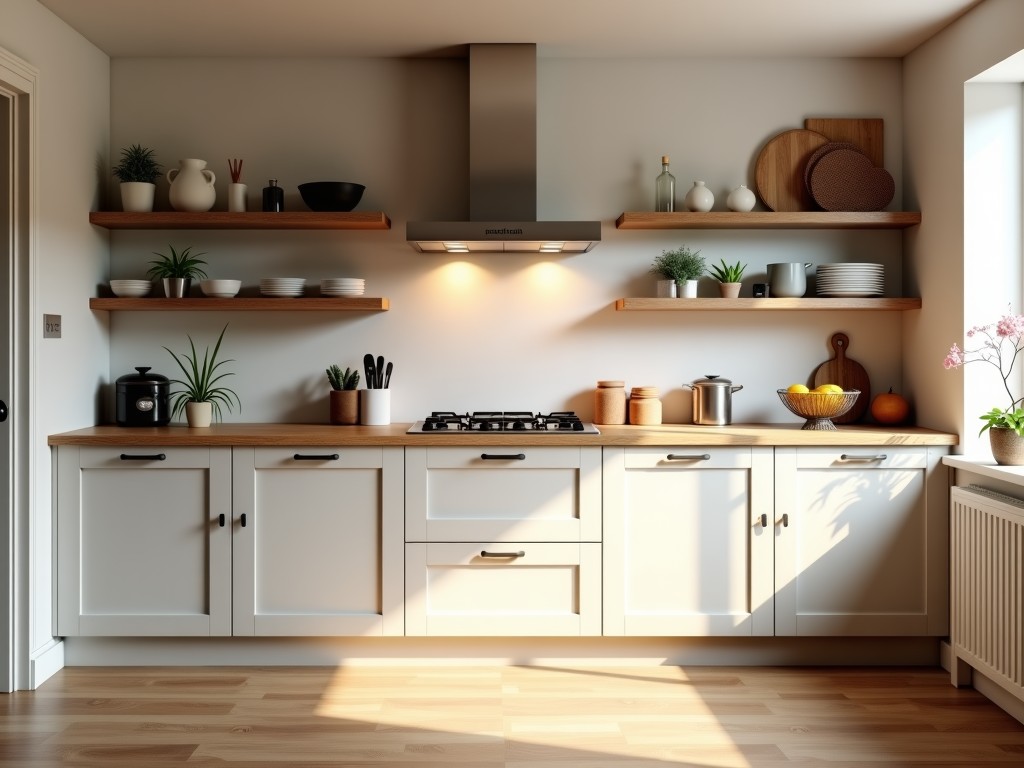
Already Assembled Kitchen Cabinets
Already Assembled Kitchen Cabinets
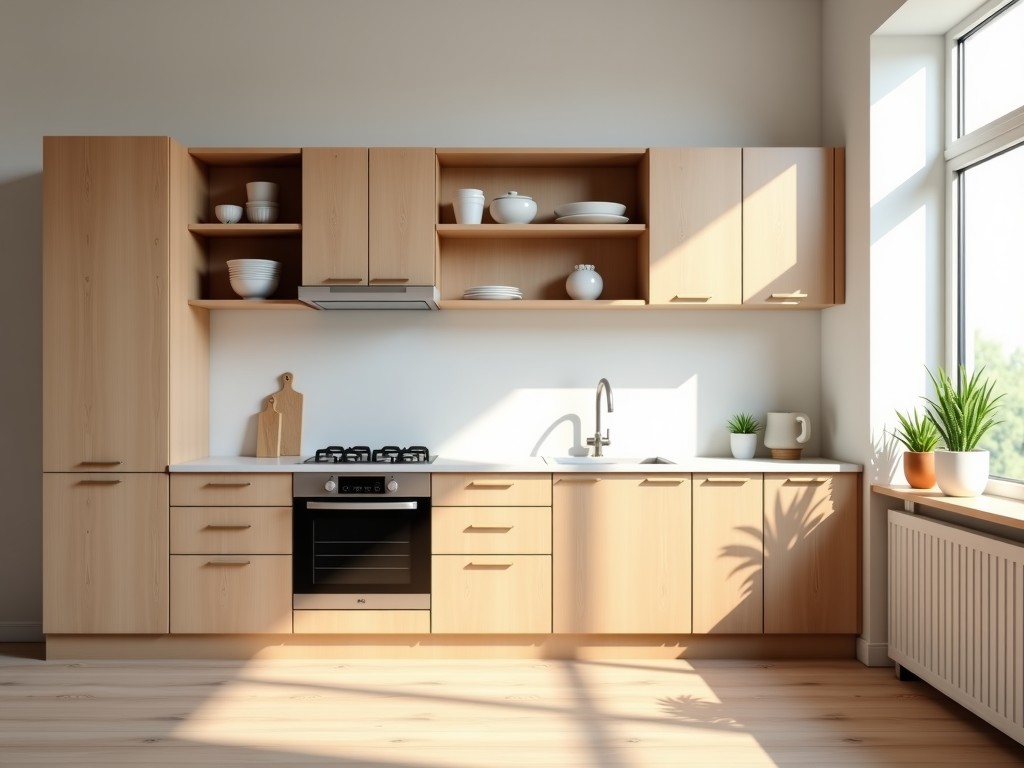
Industrial-Grade Already Assembled Kitchen Cabinets for Commercial Infrastructure
In high-volume commercial fitouts, the transition from flat-pack components to fully assembled units represents a strategic shift toward operational efficiency. Already assembled kitchen cabinets eliminate the variables associated with on-site assembly, ensuring that structural integrity and precise mechanical alignment are verified within a controlled manufacturing environment. By utilizing pre-configured modules, project management teams can significantly reduce onsite labor hours and minimize the risk of dimensional errors that often lead to bottlenecks in construction timelines.
Engineering Precision and Structural Integrity
The performance of a cabinetry system is dictated by the stability of its joints and its load-bearing capacity. Unlike field-assembled units where squareness depends on the manual skill of the installer, factory-assembled cabinets utilize industrial-grade clamping presses and automated fastening systems. This ensures that every cabinet frame remains perfectly orthogonal, which is critical for the seamless installation of heavy countertops and the long-term operation of hardware components.
- Dimensional Consistency: Toler maintained within ±0.5mm to prevent door misalignment in high-moisture environments.
- Load Distribution: Reinforced basecarcases designed to withstand static loads from commercial appliances and heavy equipment without carcass deflection.
- Hardware Integration: Pre-drilled configurations for soft-close hinges and drawer slides, ensuring uniform torque application during installation.
Material Selection for Operational Environments
Selecting the appropriate core material requires an analysis of humidity exposure and mechanical stress. For commercial kitchens and laboratories, we prioritize high-density fiberboard (HDF) or moisture-resistant (MR) plywood. These materials offer superior resistance to swelling compared to standard particle board, especially when subjected to frequent cleaning protocols.
Material Specification Matrix
| Material Type | Primary Benefit | Best Use Case |
|---|---|---|
| MR Plywood | High dimensional stability & screw retention | Wet zones / Industrial prep areas |
| High-Density MDF | Superior surface finish & impact resistance | Office breakrooms / Dry storage |
| Laminated Particle Board | Chemical resistance & cost efficiency | High-traffic hospitality units |
Logistics and Risk Mitigation
The primary challenge with already assembled cabinets is volumetric shipping efficiency. To mitigate the risk of damage during transit, we employ reinforced crate packaging systems. Each unit is individually wrapped in high-density polyethylene foam to prevent abrasion of the edge-banding. This approach ensures that upon arrival at the job site, the units are ready for immediate mounting without the need for corrective carpentry.
Procurement managers should evaluate the total cost of ownership rather than the unit price. While shipping costs for assembled units are higher than flat-pack, the reduction in labor costs, the elimination of assembly waste, and the accelerated project timeline often result in a lower net expenditure for large-scale commercial developments.
Technical Specifications
- Carcass Thickness: 18mm to 25mm options based on load requirements.
- Edge Banding: 2mm PVC or ABS heat-reactive glue applied for impact resistance.
- Hardware Rating: Grade 3 stainless steel concealed hinges (100k cycle rating).
- Standard Depths: 300mm for wall units, 600mm-700mm base units.
Request Technical Specification Sheets
Provide your floor plans and material schedules for a comprehensive engineering review and project-specific quotation.
Consult Our Engineering Team